The London Leatherman
Subculture, Leather, and London Style
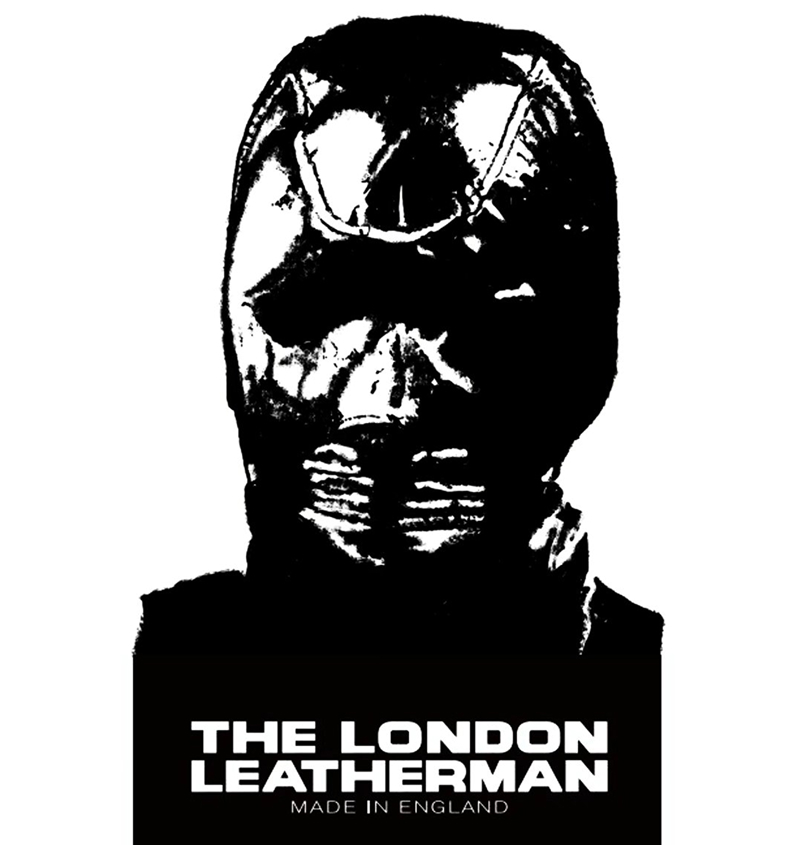
The London Leatherman is a heritage leather label rooted in London’s underground culture, emerging in the late 1960s and early 1970s. It developed outside the traditional fashion system, within environments shaped by music, nightlife, and subcultural identity.
Rather than functioning as a conventional fashion house, the brand grew through direct engagement with the people and scenes that defined its context, where clothing was closely tied to self-expression and belonging.
Origins
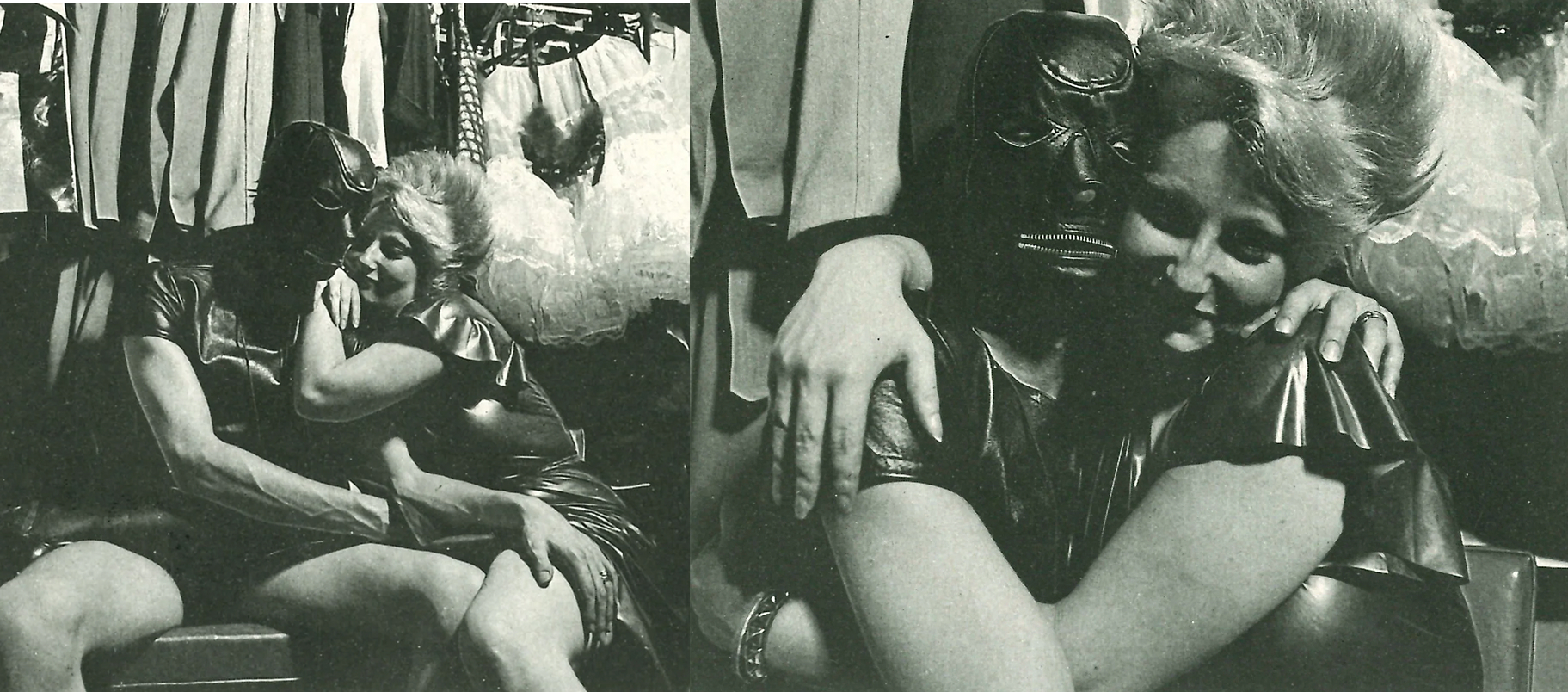
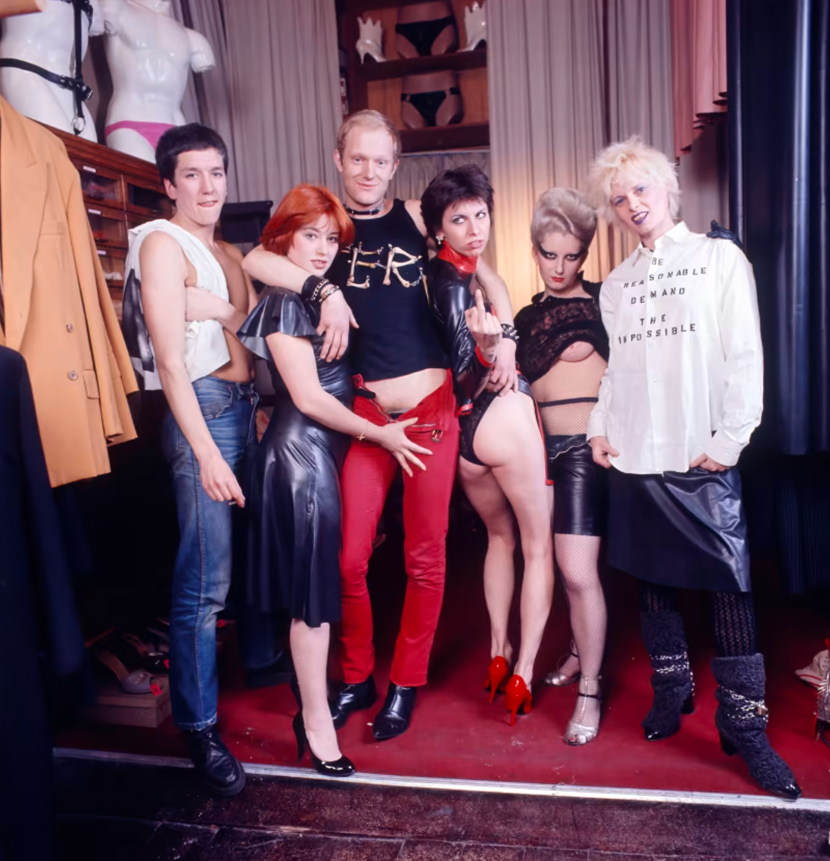
The brand emerged during a period in which London’s cultural landscape was shifting rapidly. Punk, fetish culture, and nightlife scenes overlapped, forming an environment where leather became a defining material and stylistic marker.
Within this context, The London Leatherman developed its identity through the production of practical yet expressive leather pieces, reflecting the codes of the communities it was part of.
From underground to the world
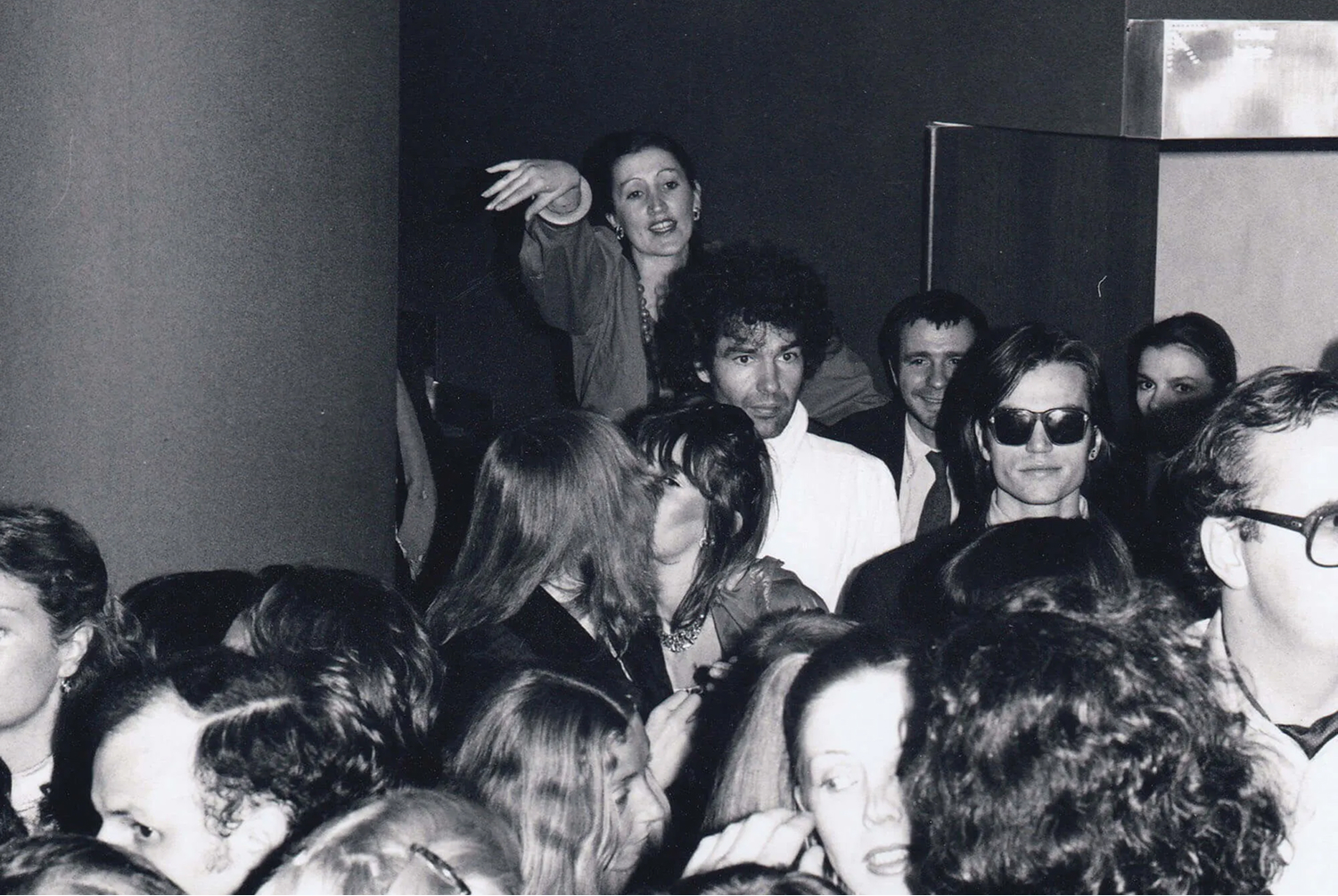
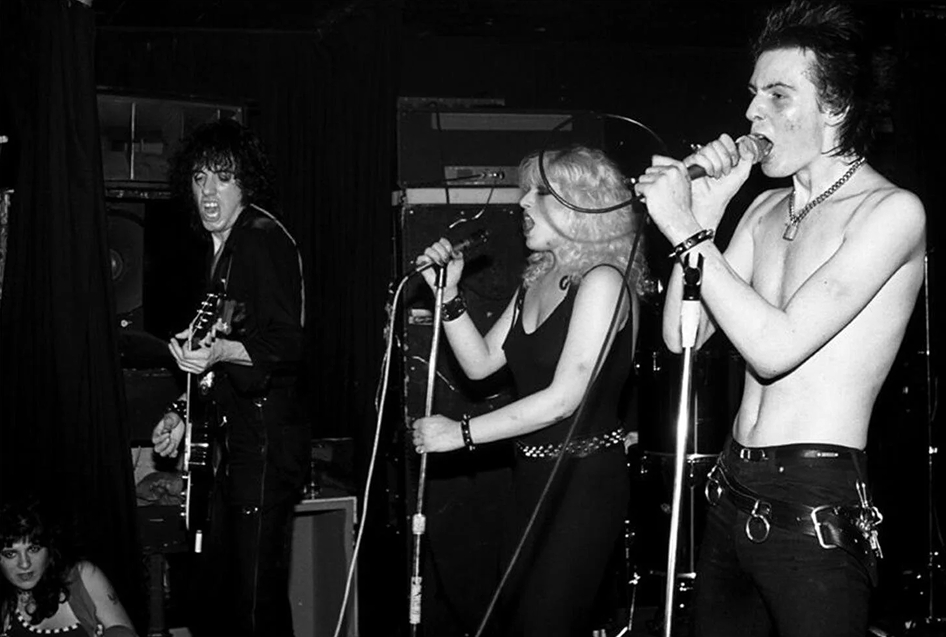
By the 1970s, elements associated with the brand began to appear beyond their original environments. Through music, photography, and public figures, these styles moved into wider cultural awareness as part of the rise of punk.
Figures such as Jordan Mooney played a key role in this transition, linking underground styling with the emerging public image of punk.
Rather than being absorbed as a trend, these elements gradually entered broader fashion reference, influencing how leather and subcultural dress were understood.
Iconic pieces
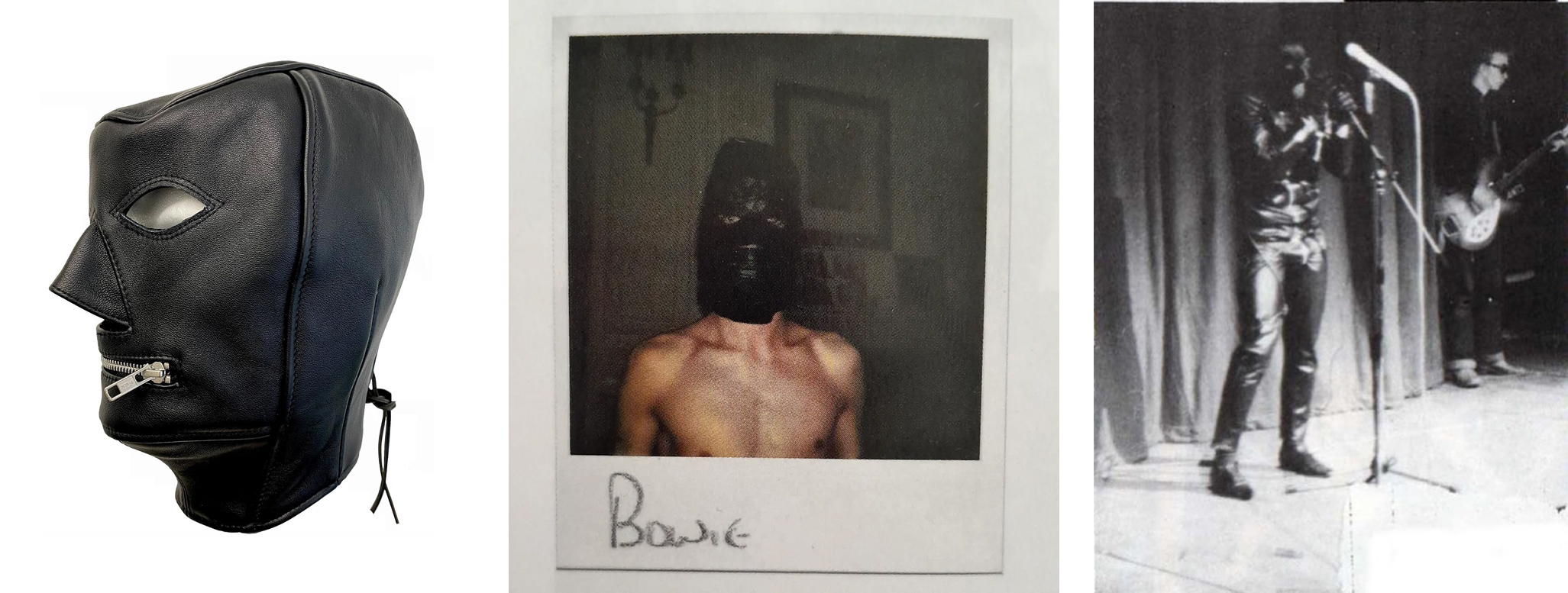
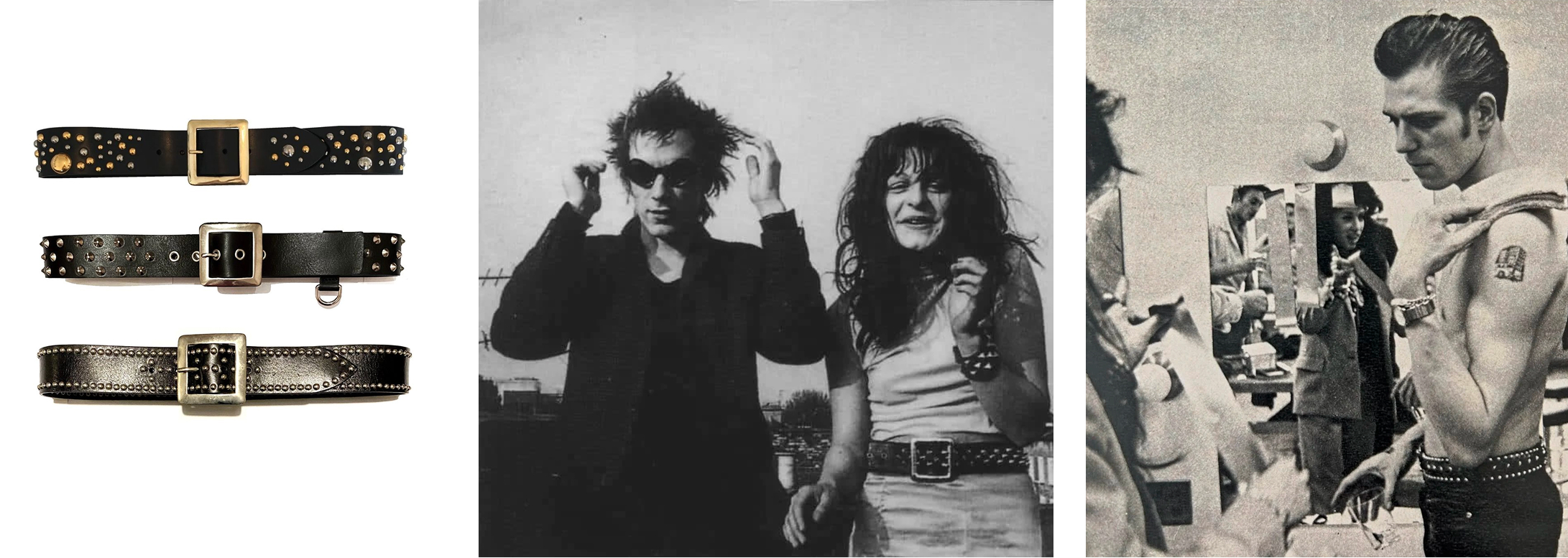
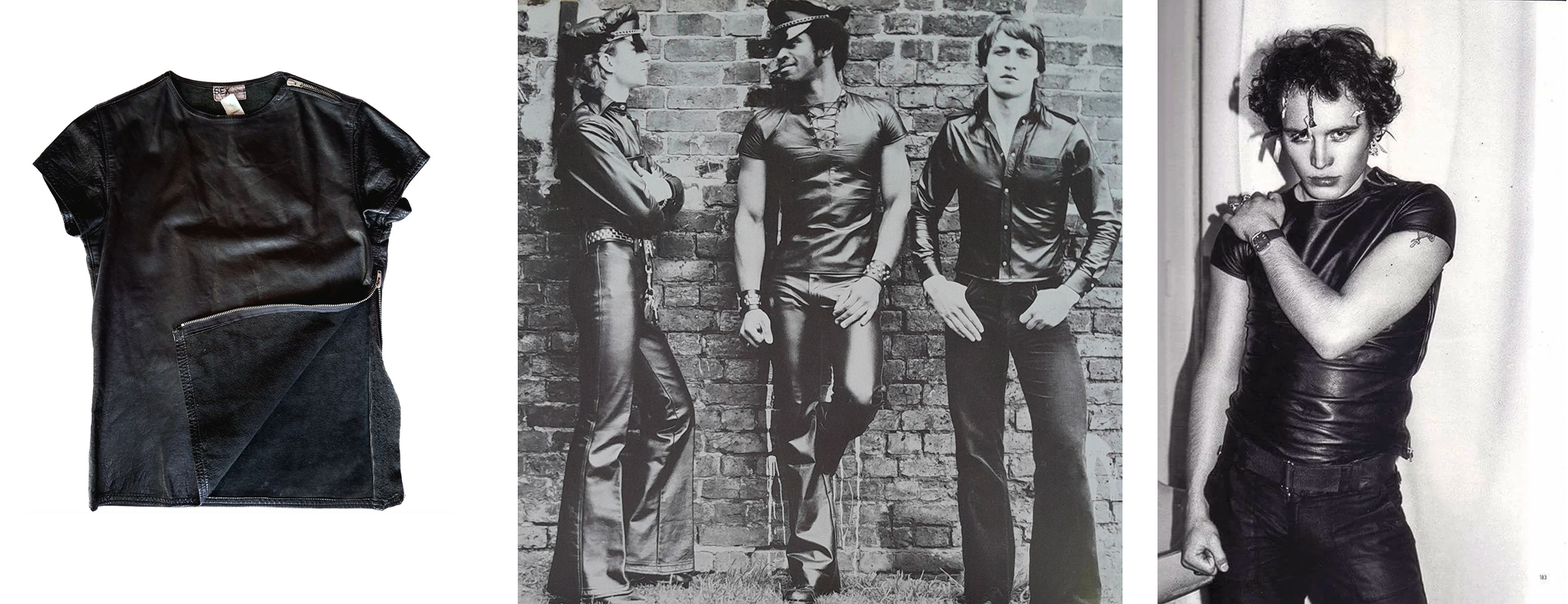
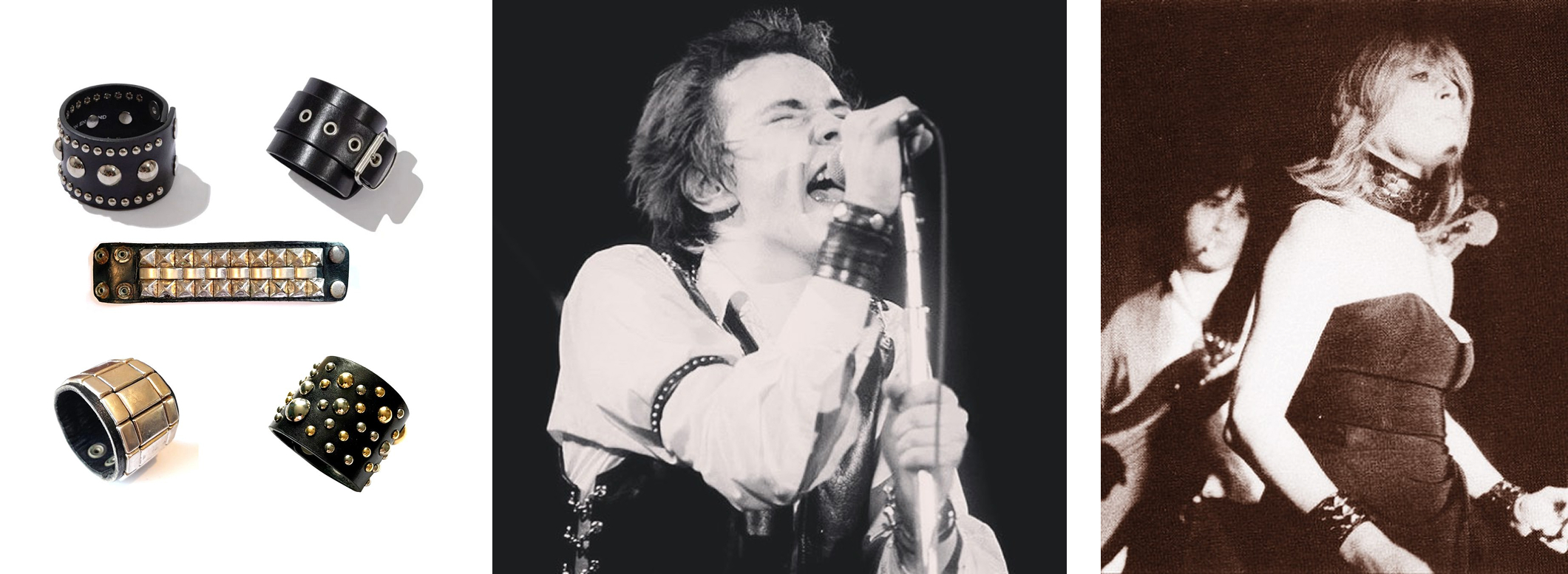
The London Leatherman is defined by leather wristbands, harnesses, belts, and accessories made with a focus on material and construction. These pieces originated in underground contexts tied to fetish and punk environments, where clothing carried social and cultural meaning.
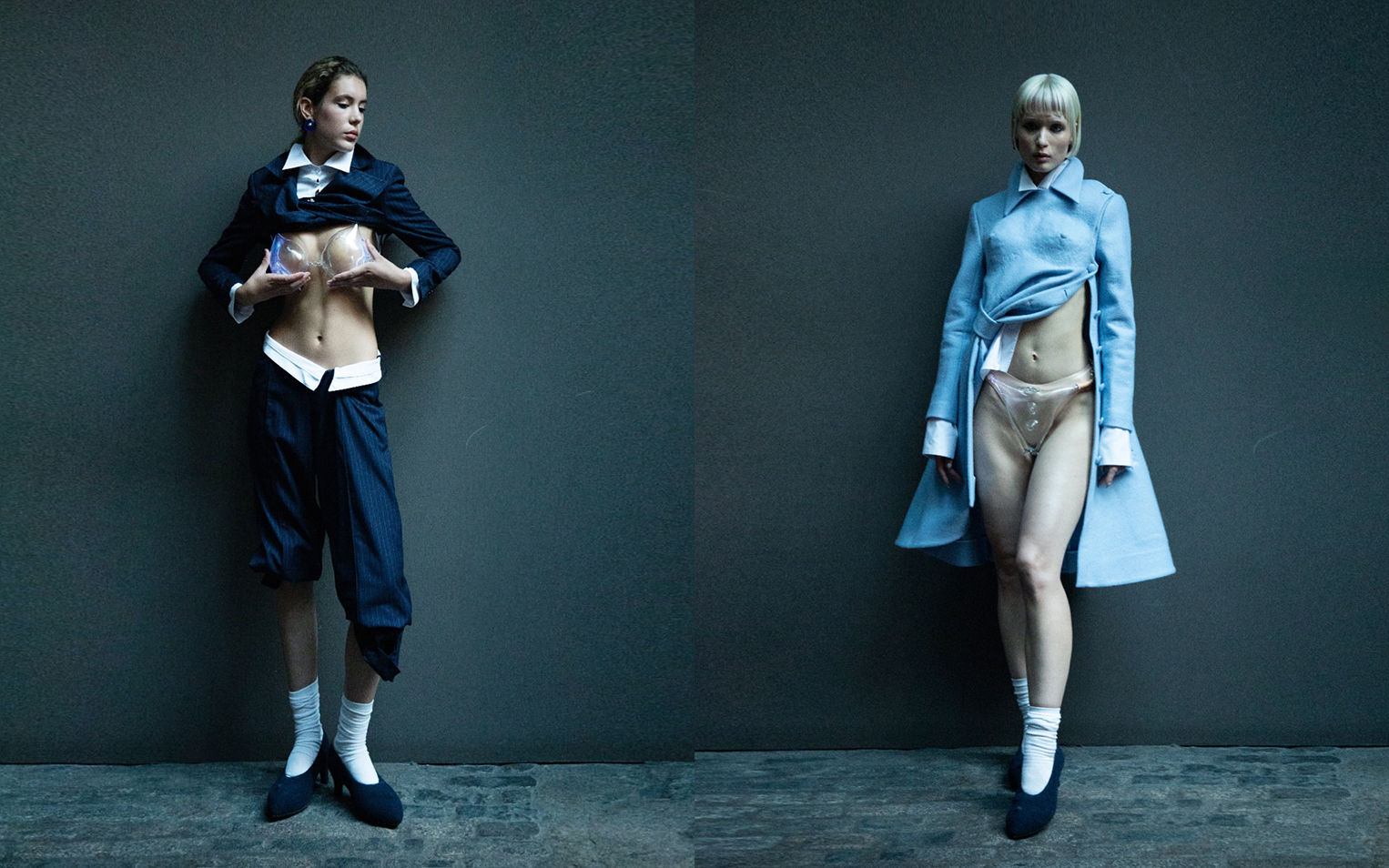
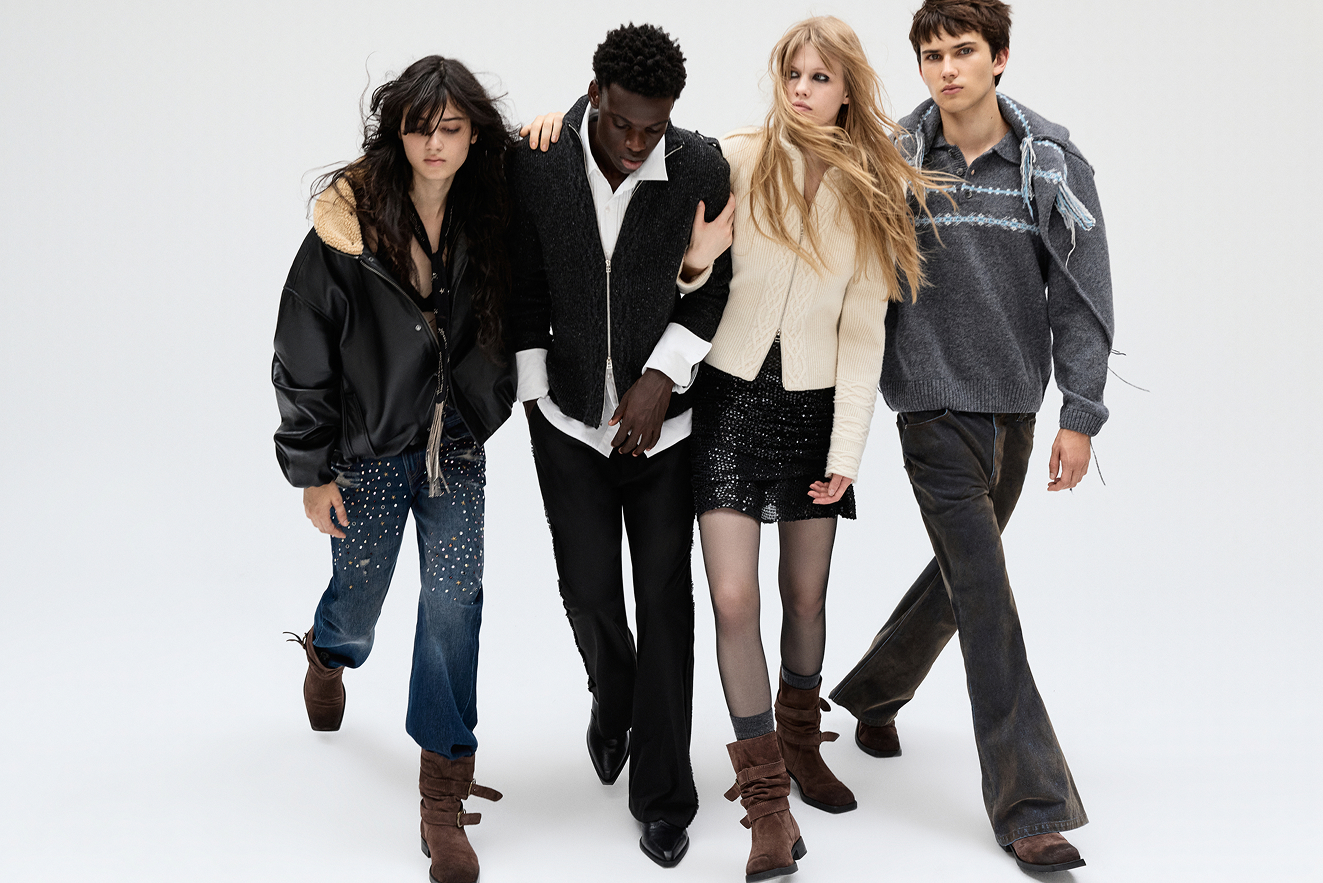
Over time, these objects have been reinterpreted within fashion, appearing in editorials, styling work, and contemporary collections that reference their original context.
The London Leatherman Today
Today, The London Leatherman continues to produce in England, reworking its archive into new pieces while maintaining the construction methods and attitude of the original designs.
Its presence extends into fashion editorials, performance contexts, and styling practices that continue to draw from its history.