Christopher Bailey is a British fashion designer best known for his role in transforming Burberry during the 2000s and 2010s. Joining the house in 2001, he played a central role in repositioning it from a heritage outerwear brand into a globally relevant luxury label. Over nearly two decades, his work reshaped not only the visual identity of the brand, but also how it operated within a changing fashion landscape.
Early career
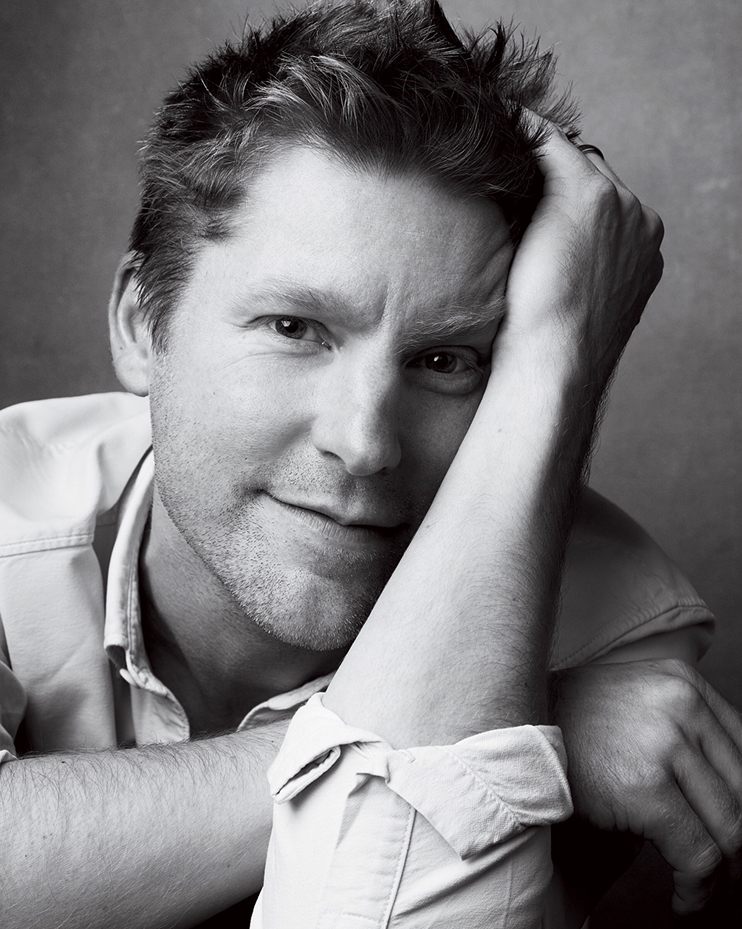
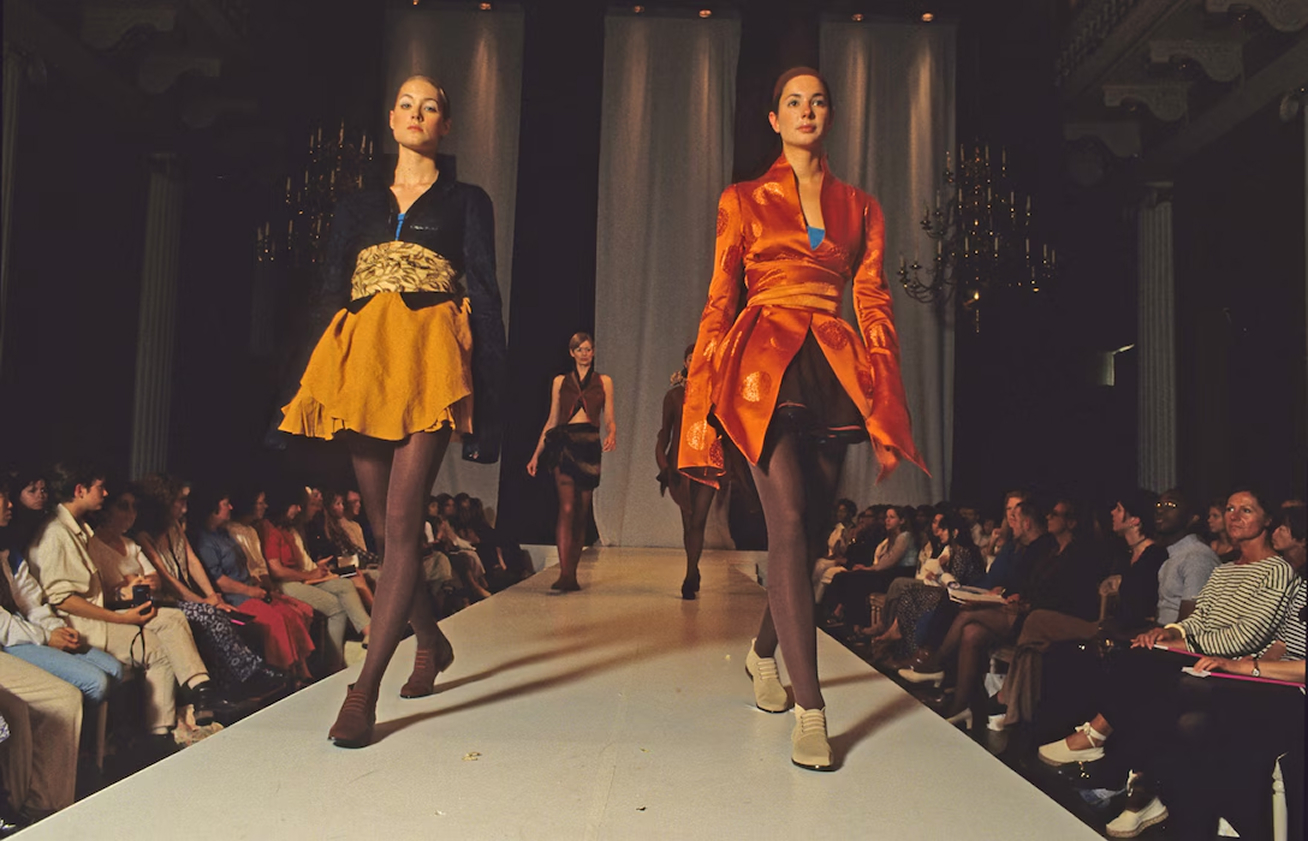
Bailey studied at the University of Westminster and later at the Royal College of Art in London. Before joining Burberry, he worked at Donna Karan and at Gucci under Tom Ford, gaining experience during a defining period for modern luxury fashion. This background placed him at the intersection of traditional design training and a more image-driven, contemporary approach to branding.
Redefining Burberry
When Bailey joined Burberry in 2001, the brand was still largely associated with its heritage trench coat. Over time, he expanded its scope, developing full ready-to-wear collections and introducing a more contemporary perspective. His approach combined elements of British tradition with references drawn from music, youth culture, and evolving ideas of identity. This shift allowed the brand to move beyond its historical positioning and connect with a new global audience.
Memorable Moments
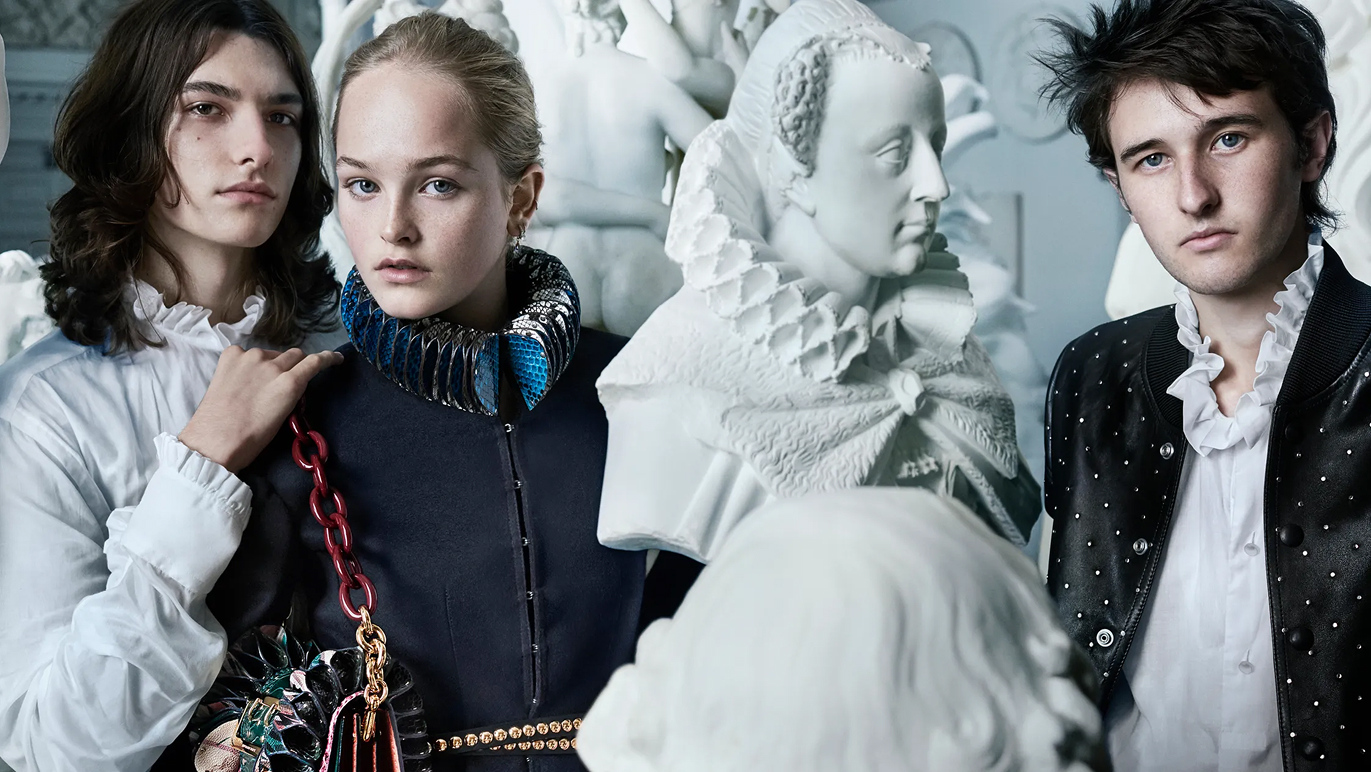
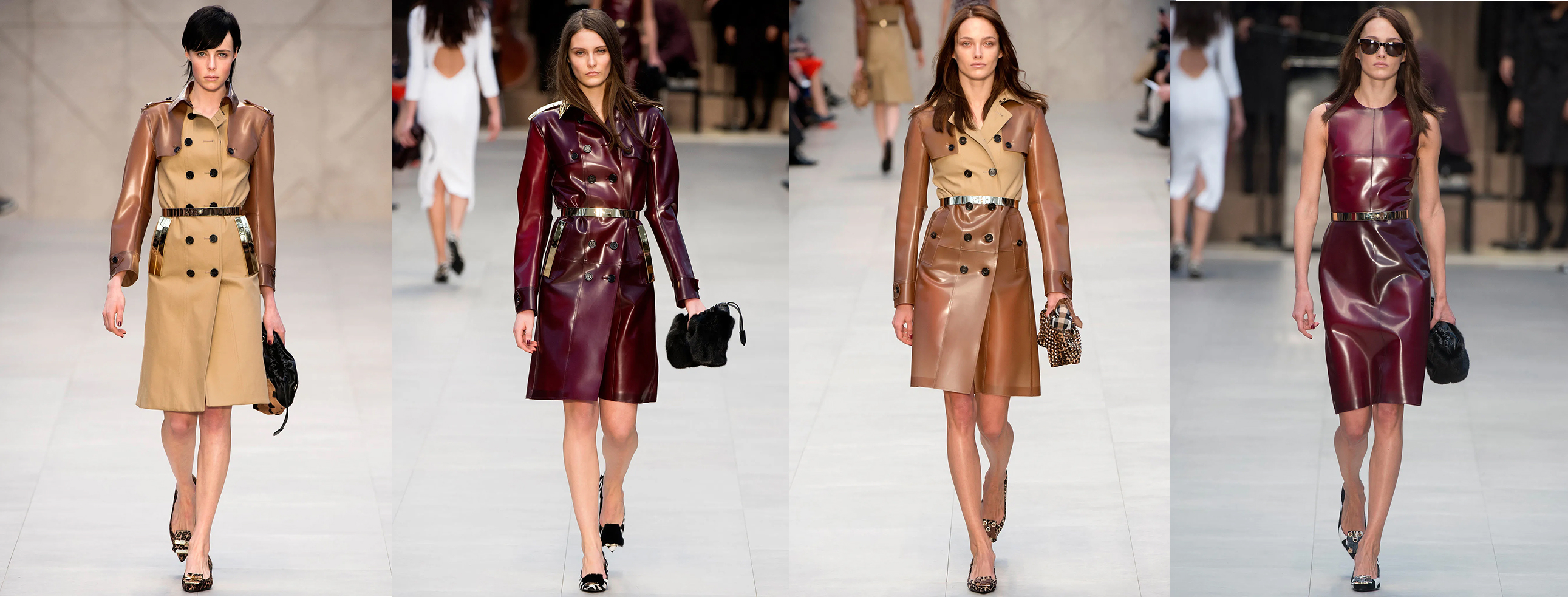
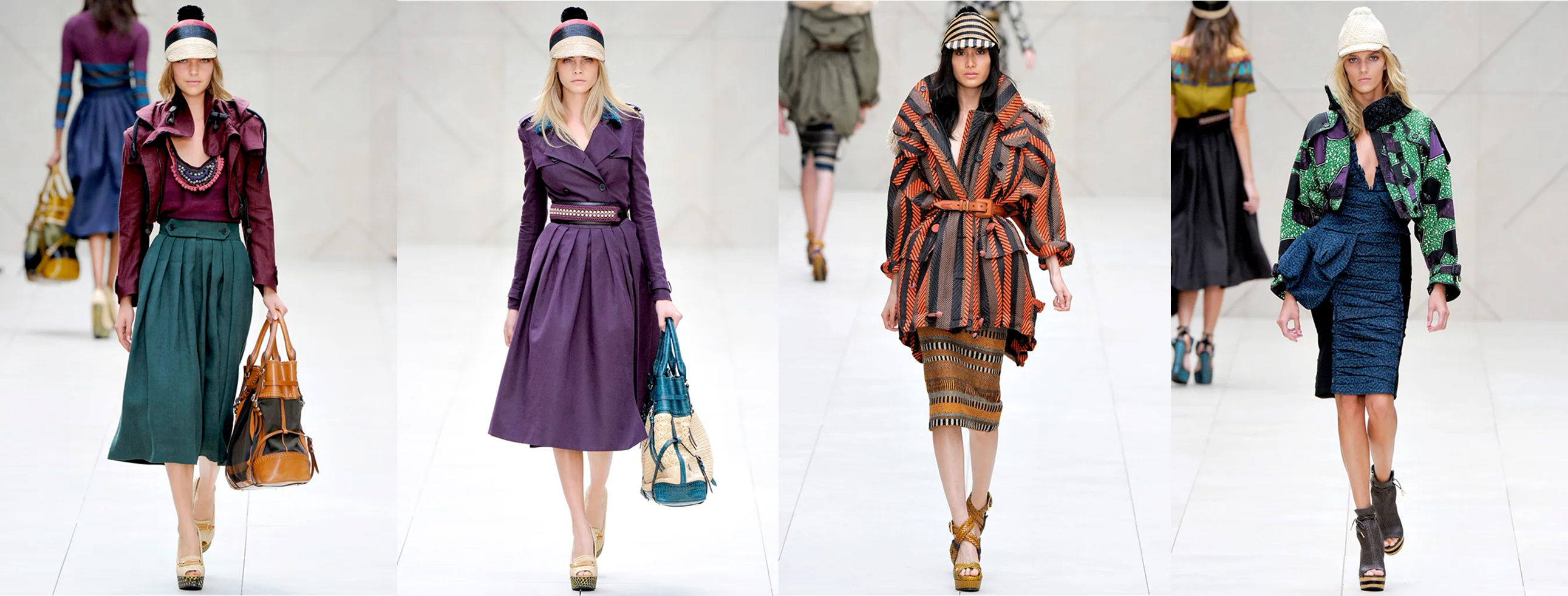
Throughout his tenure, Bailey’s direction was defined by a series of runway collections and strategic shifts that shaped Burberry’s identity. His collections consistently reworked core elements such as the trench coat and check pattern, presenting them in new materials, silhouettes, and contexts.
At the same time, Burberry became one of the first luxury brands to fully engage with digital platforms, introducing livestreamed runway shows and later adopting a “see now, buy now” model. These changes marked a shift in how fashion was presented and made accessible, positioning the brand within a broader transformation of the industry.


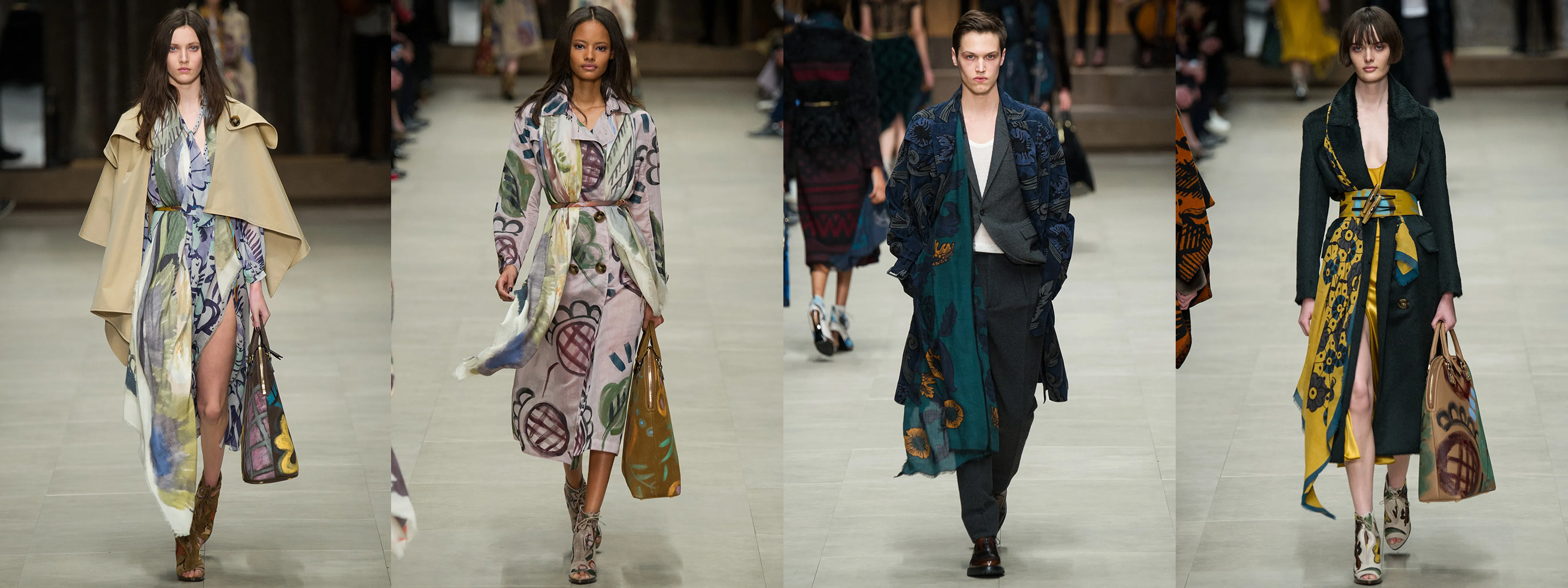
Christopher Bailey's Impact
Alongside his design work, Bailey played a key role in expanding Burberry’s presence beyond traditional fashion contexts. The brand became closely associated with British music and cultural production, integrating these elements into its runway shows and campaigns.
This approach reinforced a connection between fashion and wider cultural expression, allowing Burberry to operate not only as a luxury label, but as a platform within contemporary culture.