Calvin Klein
How Obsession changed the language of fashion photography
More than three decades after its release, Calvin Klein’s Obsession campaign continues to surface in contemporary culture. Its recent appearance in Love Story introduces a new generation to one of fashion’s most influential visual statements — one that quietly redefined the language of intimacy in advertising.
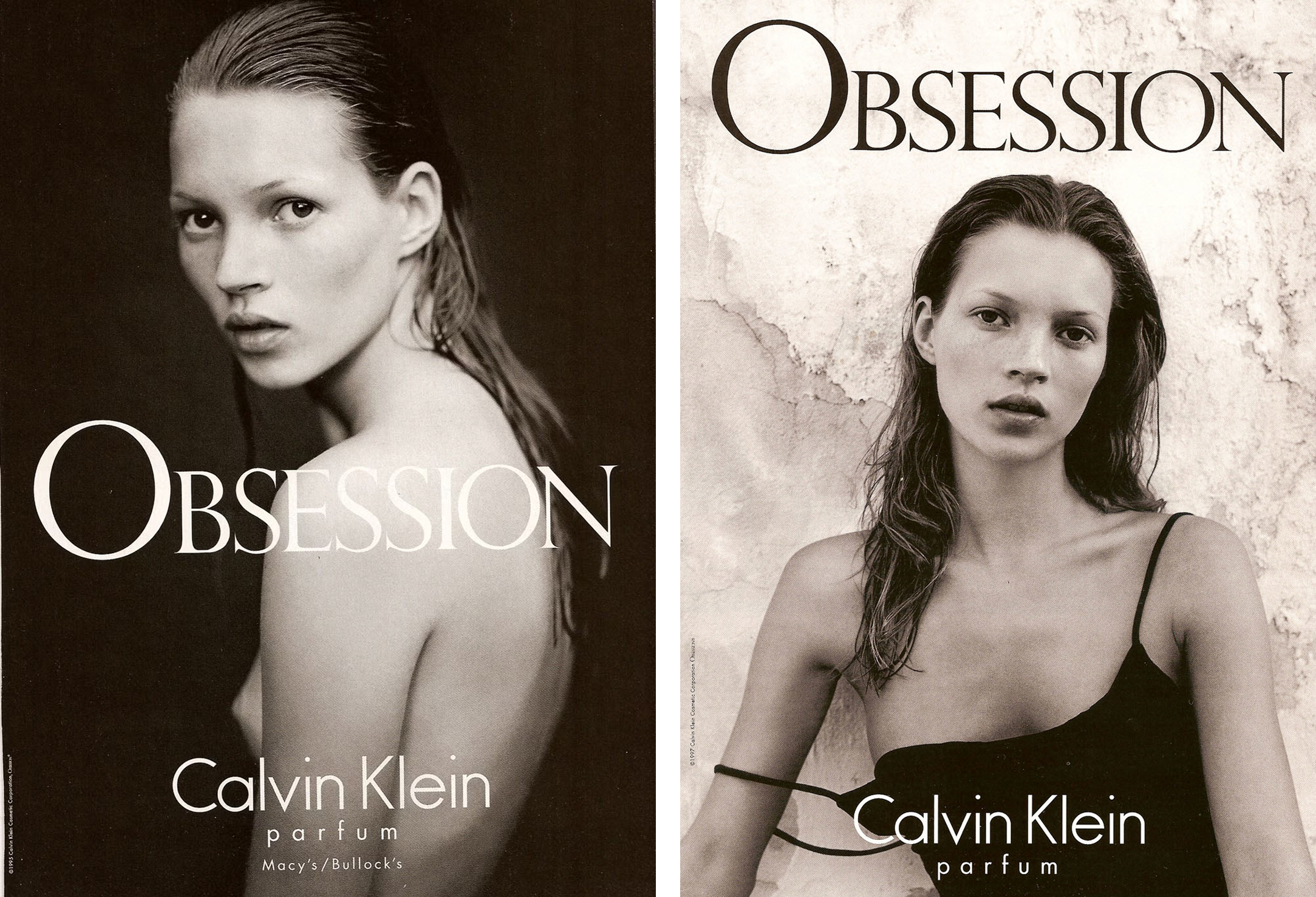
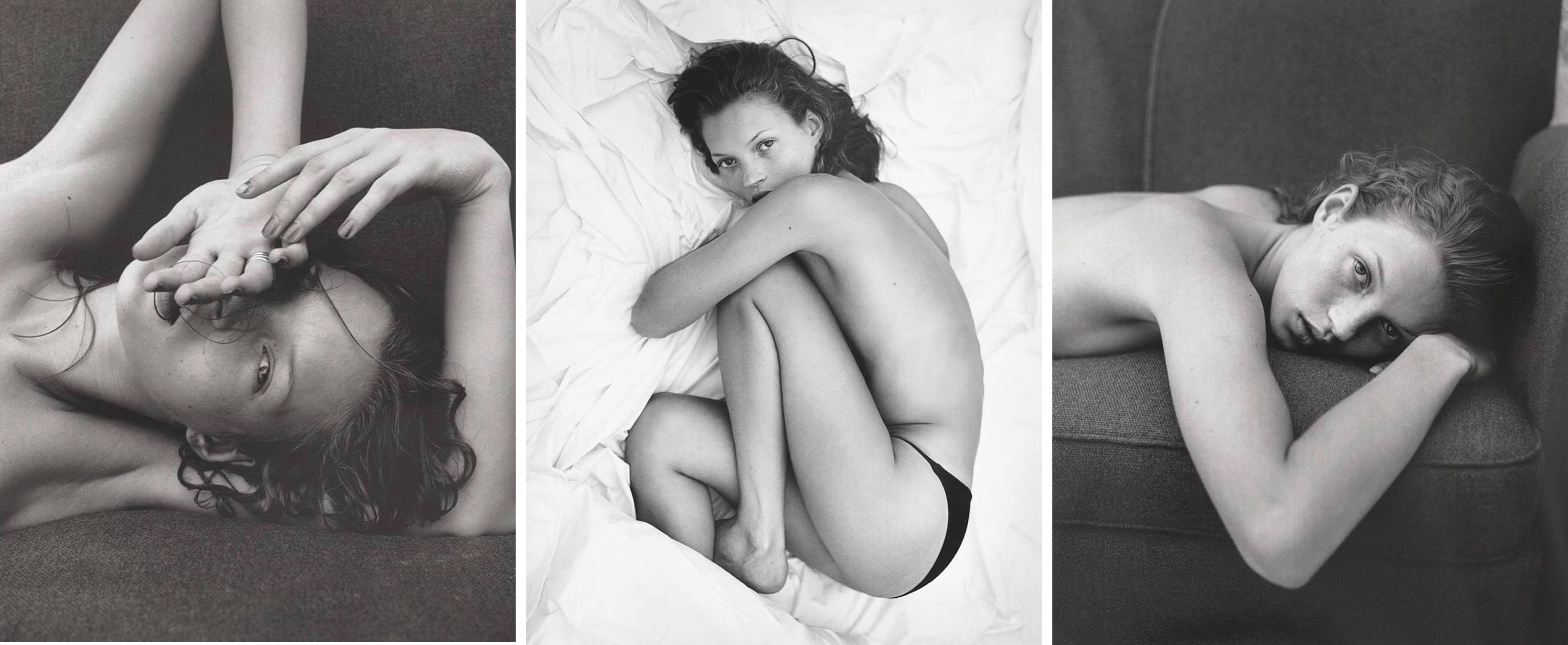
Released in 1992, Obsession arrived at a time when fashion imagery was still largely defined by polish and distance. Instead of reinforcing that ideal, the campaign proposed something more immediate and emotionally charged. The images felt unguarded, almost accidental, as if they were never meant for public view.
Photographed by Mario Sorrenti and featuring a young Kate Moss, the campaign was shaped by a unique dynamic. The two, who were in a relationship at the time, travelled to the Virgin Islands to shoot the series. What emerged was a body of work that blurred the line between documentation and direction—images that carried the spontaneity of lived experience rather than the structure of a traditional fashion set.
This sense of authenticity became the campaign’s defining quality. Rather than presenting a constructed fantasy, Obsession captured fleeting moments — sunlight on skin, quiet gestures, a sense of closeness that felt deeply personal. It stood in stark contrast to the high-gloss aesthetic of the era, offering instead a new, more introspective form of sensuality.
The impact was immediate and lasting. Obsession not only cemented Kate Moss’s presence within the industry but also signaled a broader shift toward minimalism and emotional realism in fashion photography. Its influence can still be traced in the stripped-back visuals and intimate narratives that dominate contemporary campaigns.
Today, as fashion continues to revisit and reinterpret its past, Obsession remains a point of reference—not simply for its imagery, but for the way it changed how those images could feel. It marked a moment when fashion moved closer to reality, embracing imperfection, vulnerability, and the power of the personal.