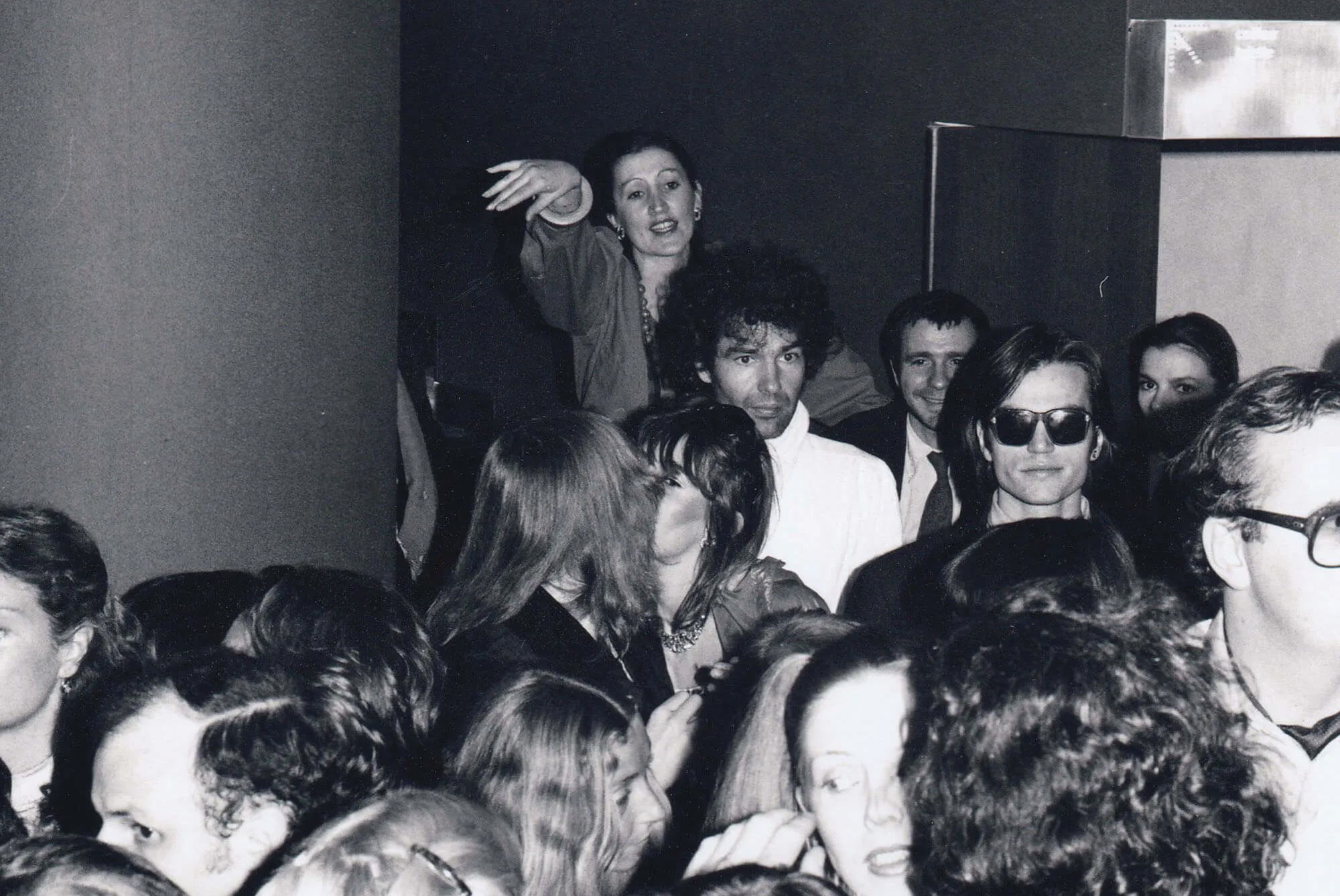
A car park is probably not where most people would expect one of the world’s biggest fashion weeks to stem from. Yet, that was where London Fashion Week (LFW) held its first official show in 1984, at the Commonwealth Institute in Kensington. The event was created by the British Fashion Council (BFC), an organization that wanted to establish London as the fashion capital of the world. More than forty years later, London no longer needs to prove that it belongs in fashion. But as Paris has become increasingly important to British designers, the role of
London Fashion Week has started to change.
London Fashion Week was built around an idea that London could offer something different. The British fashion scene had always had a reputation for being willing to experiment: youth subcultures, punk genres and designers were constantly making clothes that were unique. The
1990s brought designers such as McQueen and Stella McCartney into the spotlight, while initiatives such as the BFC’s NEWGEN program helped introduce younger designers to an international audience.
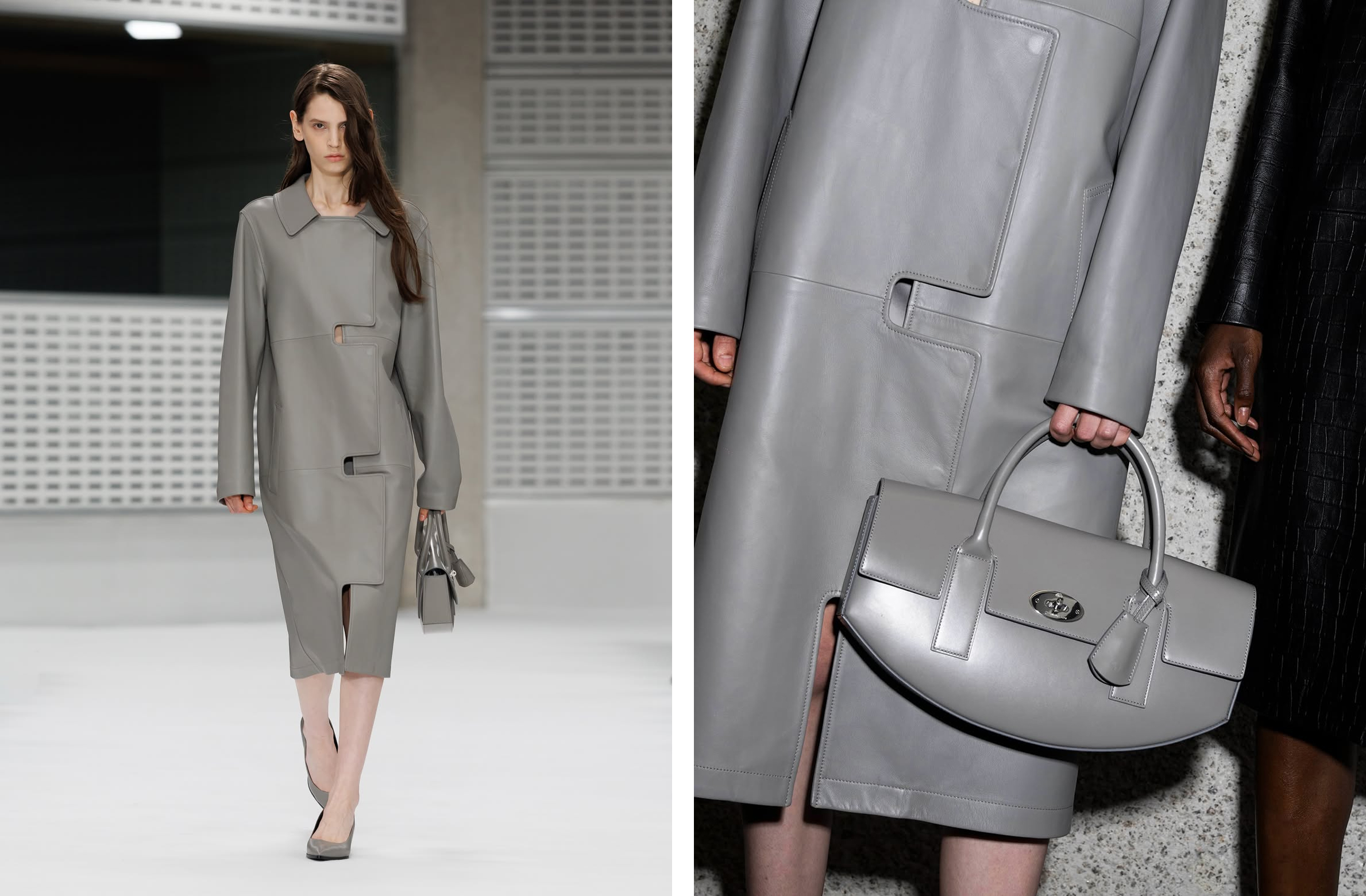
This discrete identity can be seen in the LFW SS27 schedule. The September 2026 lineup included brands such as Burberry, Erdem, Emilia Wickstead, Richard Quinn and Simone Rocha, alongside Christopher Kane’s debut collection for Mulberry and the return of McQueen.
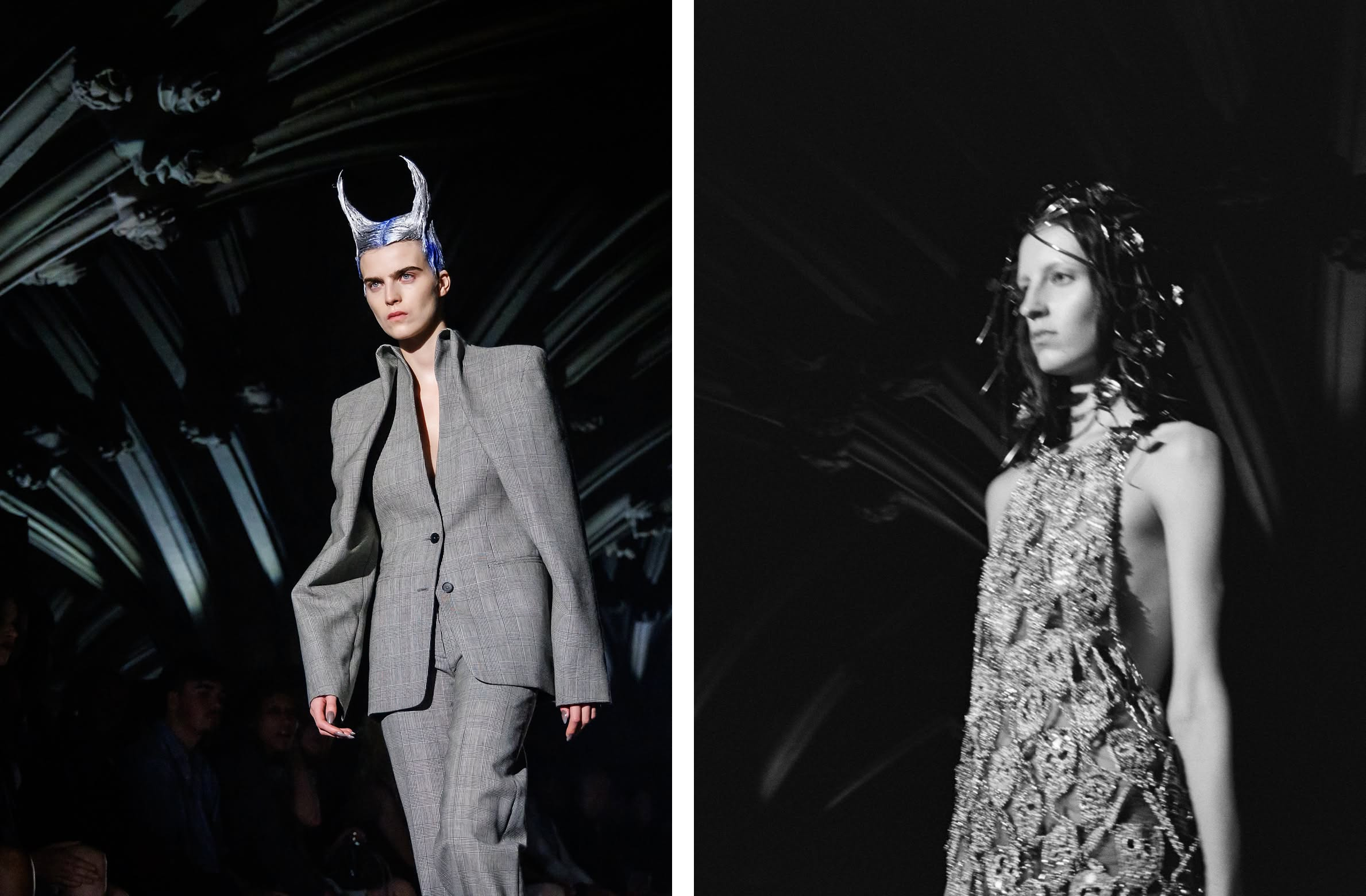
This made McQueen’s return particularly significant. Seán McGirr’s September 2026 show marked his first London show for the house, bringing one of Britain’s most internationally recognised fashion houses back onto the LFW schedule.
McQueen’s return points toward a larger shift in terms of the location of British Fashion. Paris offers something different: a concentration of luxury houses and foreign buyers, with an international press that has led several British designers to establish themselves there. Victoria Beckham and Stella McCartney both showed in Paris, and McQueen had been doing the same before returning to London.
The BFC has also been trying to make London a more attractive place to show. For the September 2025 season, it waived show fees for designers on the main physical schedule and doubled its investment in the international guest programme. The official schedule also had 18 percent more designers than SS25.
These changes make sense when the cost of putting on a fashion show is considered. A designer is spending money on a show because they want people from the industry to actually be there, and London has to give them a reason to choose London.
The BFC has increasingly treated Paris as an extension of London. Its LONDON show ROOMS programme has brought emerging British designers to Paris since 2008, connecting them with international buyers during Paris Fashion Week. In May 2026, the BFC announced a new four-year commitment to strengthen and expand the programme.
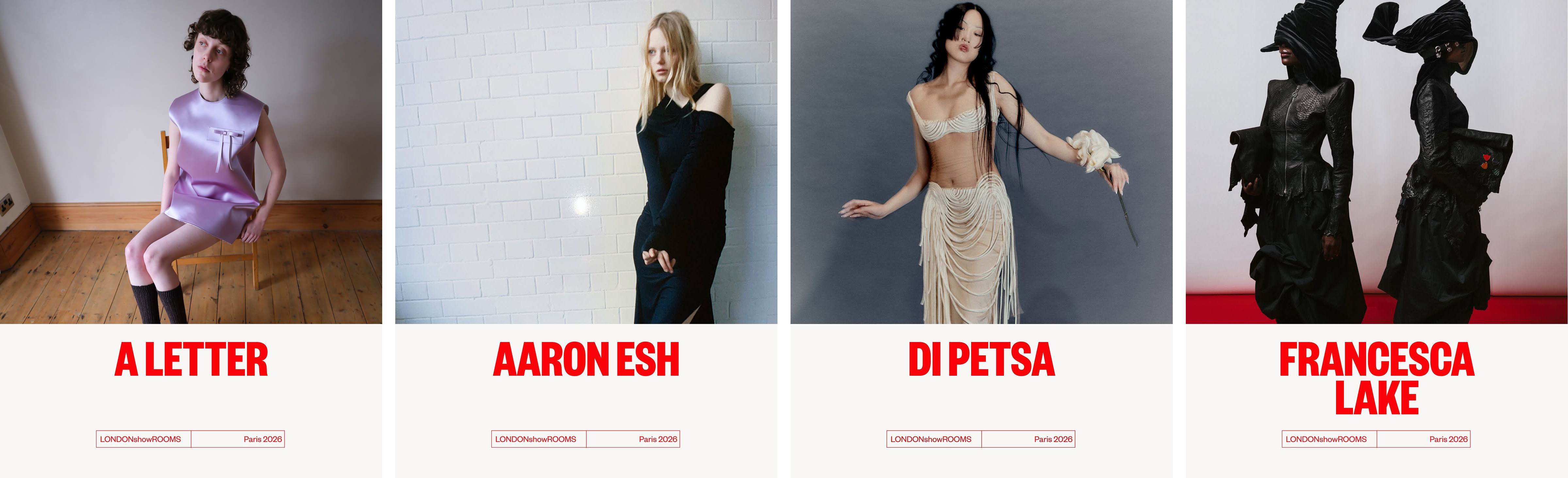
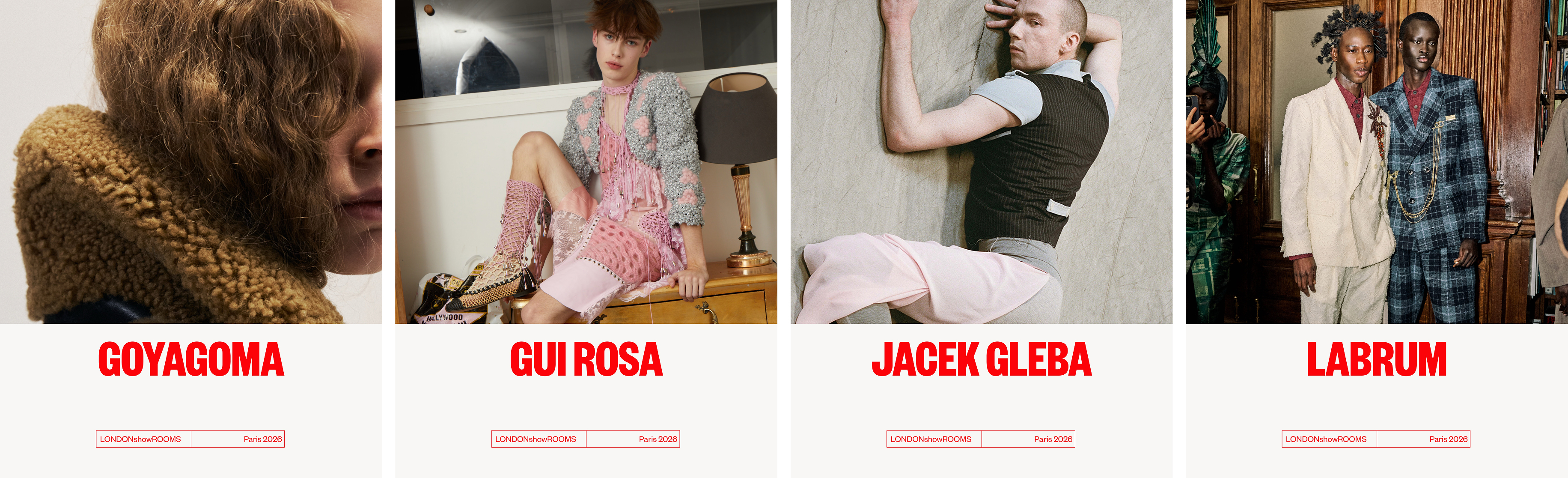
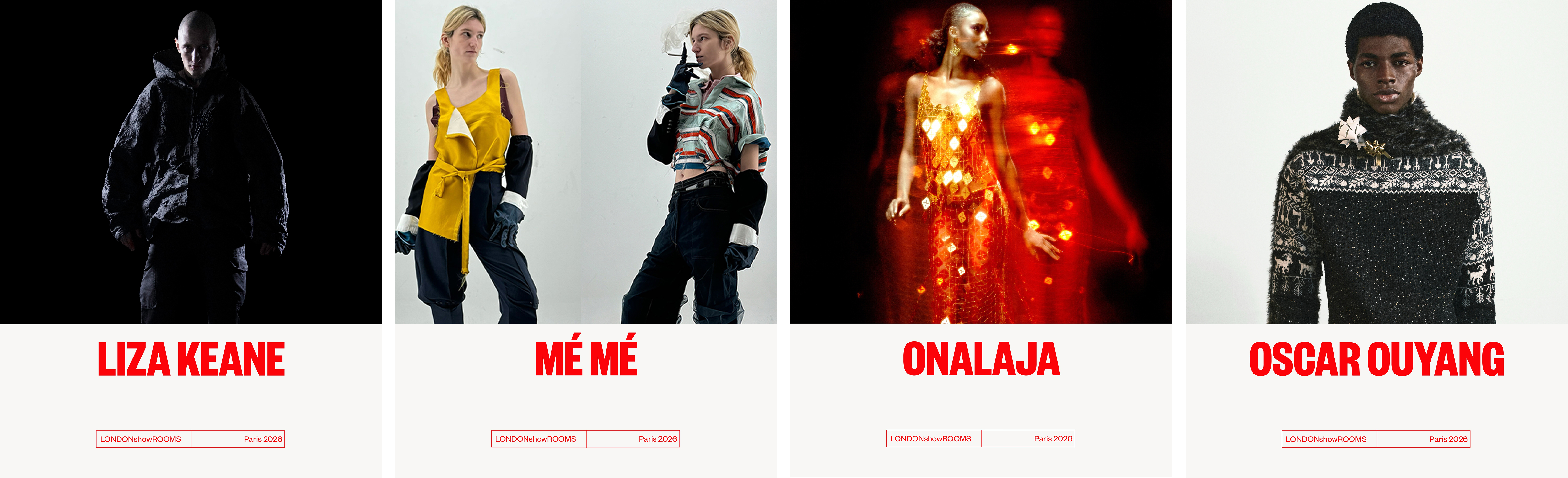
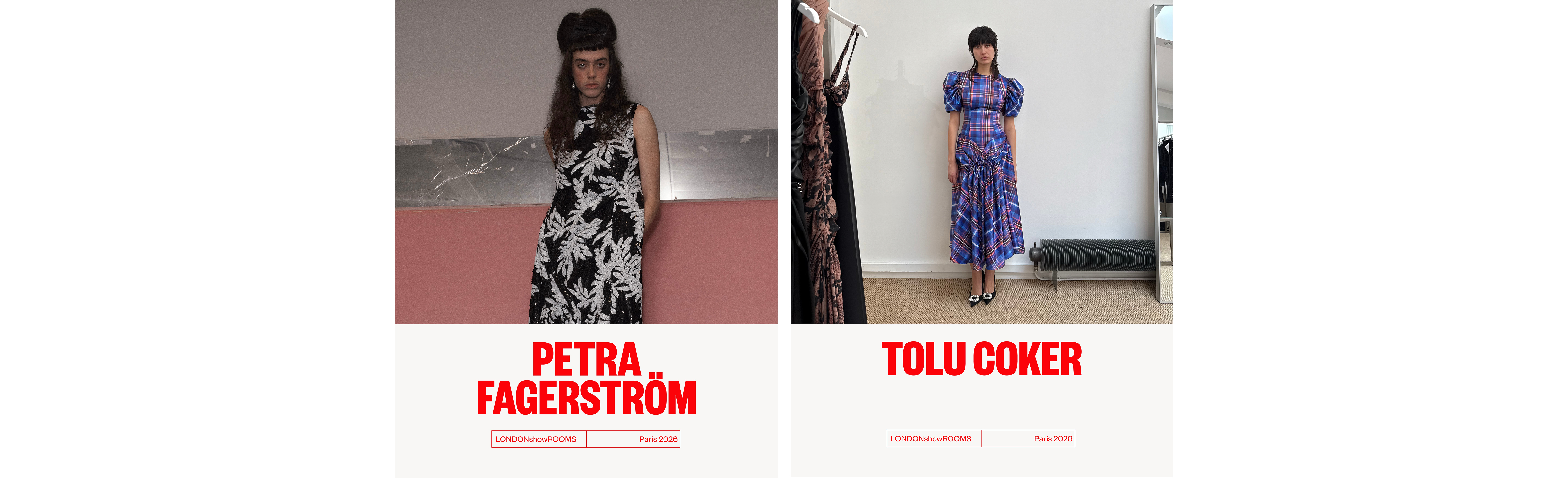
So LFW has not exactly moved to France. Instead, the relationship between the two cities has become more complicated. London can remain an important part of a designer’s British identity, while Paris provides another route into the international fashion industry. For some designers, there is no reason to choose only one.
Location also comes with practical costs. Fashion weeks are expensive, particularly for smaller designers, with venues, models, production and travel adding up quickly. Brexit has added another layer of economic pressure for British fashion businesses, making the decision over where and how to present a collection is even more complicated. During the Autumn/Winter 2025 season, several London designers skipped traditional runway shows altogether, using presentations or other formats instead.
This makes the history of London Fashion Week a little less straightforward than the usual story of a fashion capital becoming successful. In 1984, the BFC needed to create a place for British designers to be taken seriously.
That question has now shifted, and is less about whether London deserves a place in fashion and more about whether the city can remain useful to designers who are not restricted to choosing just a single one.