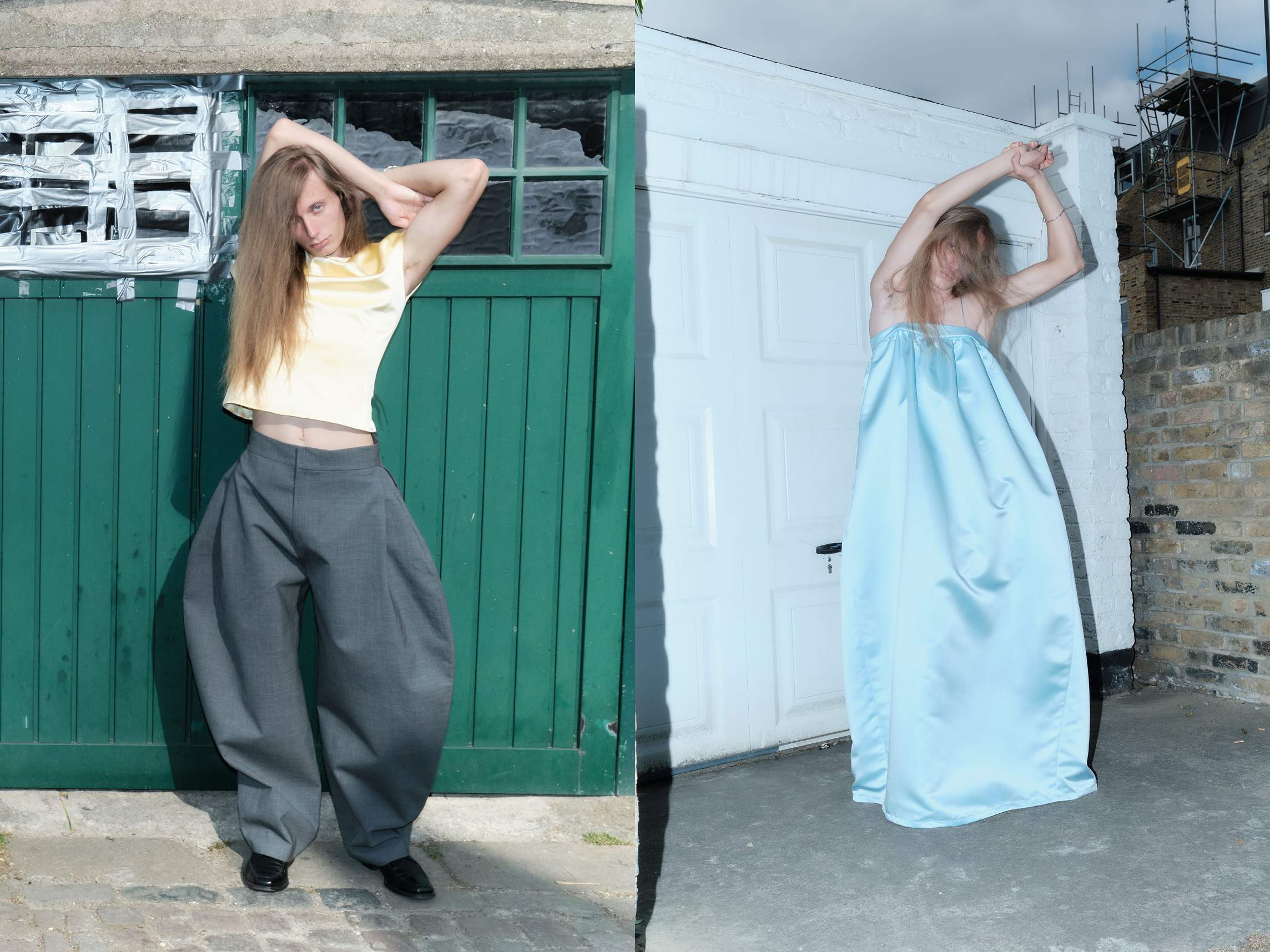
Based on the 1967 film “La Collectionneuse” (The Collector), directed by French filmmaker Éric Rohmer, Junyu Liu’s collection “While You Were Sleeping” interrogates the tension between expression and concealment which occurs behind closed doors, asking the question: is it only when no one is watching that we dare to be our true selves?
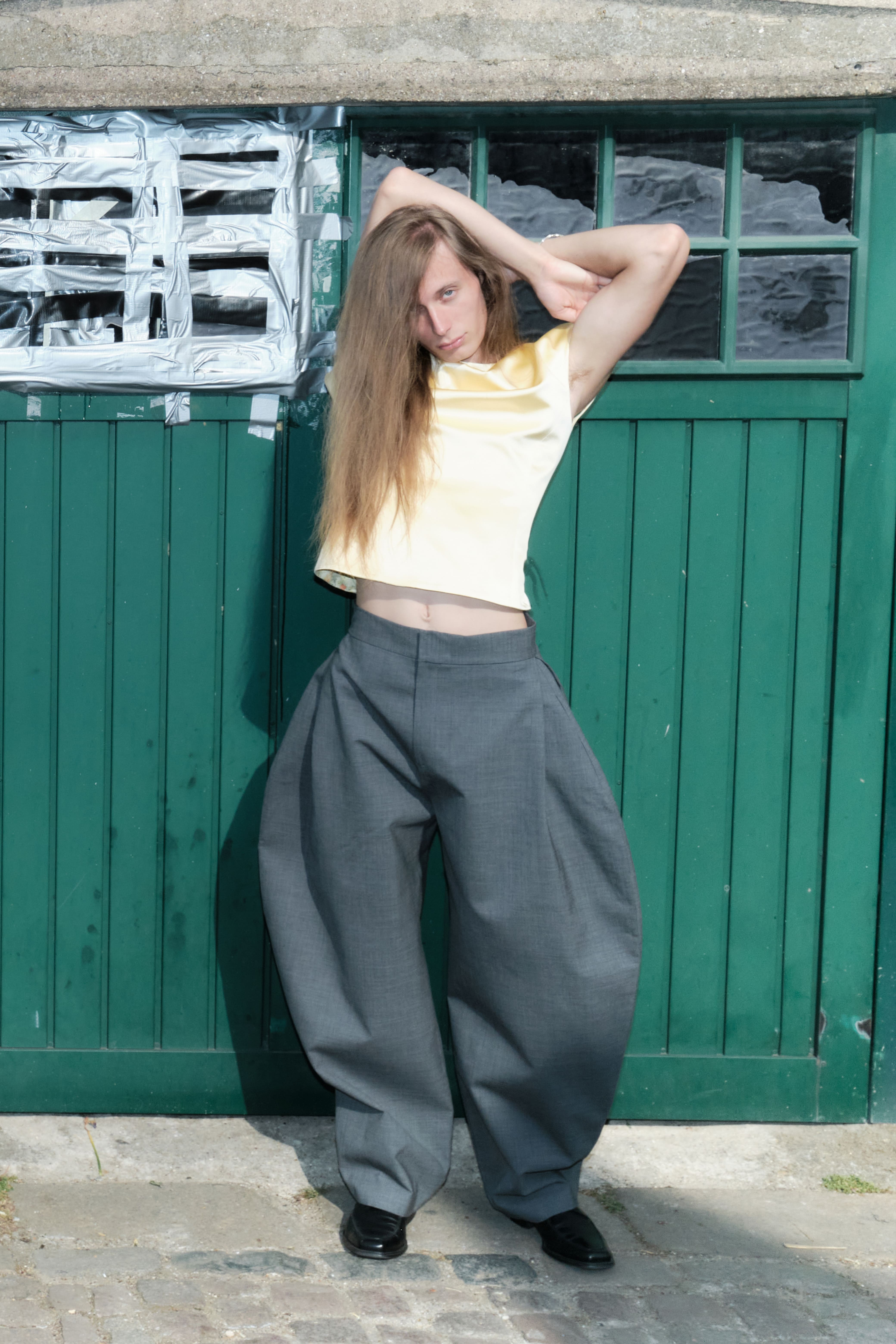
The film centres on a trio of characters in an isolated French villa: Daniel, an eccentric conceptual artist; Adrien, who prides himself on his rationality and restraint; and Haydée, a free-spirited, spontaneous young woman dubbed “La Collectionneuse” due to her many male companions. Throughout the film, Adrien finds himself drawn to Haydée and is caught between his growing desire for her and his desperate attempts to suppress it through a sense of moral and intellectual superiority. The cinematic inspiration of this collection sets up a framework of psychological tension. Liu then translates this tension through materiality, form and wearability to create pieces which act as conversation pieces and in situ moral and psychological investigations into the human condition.
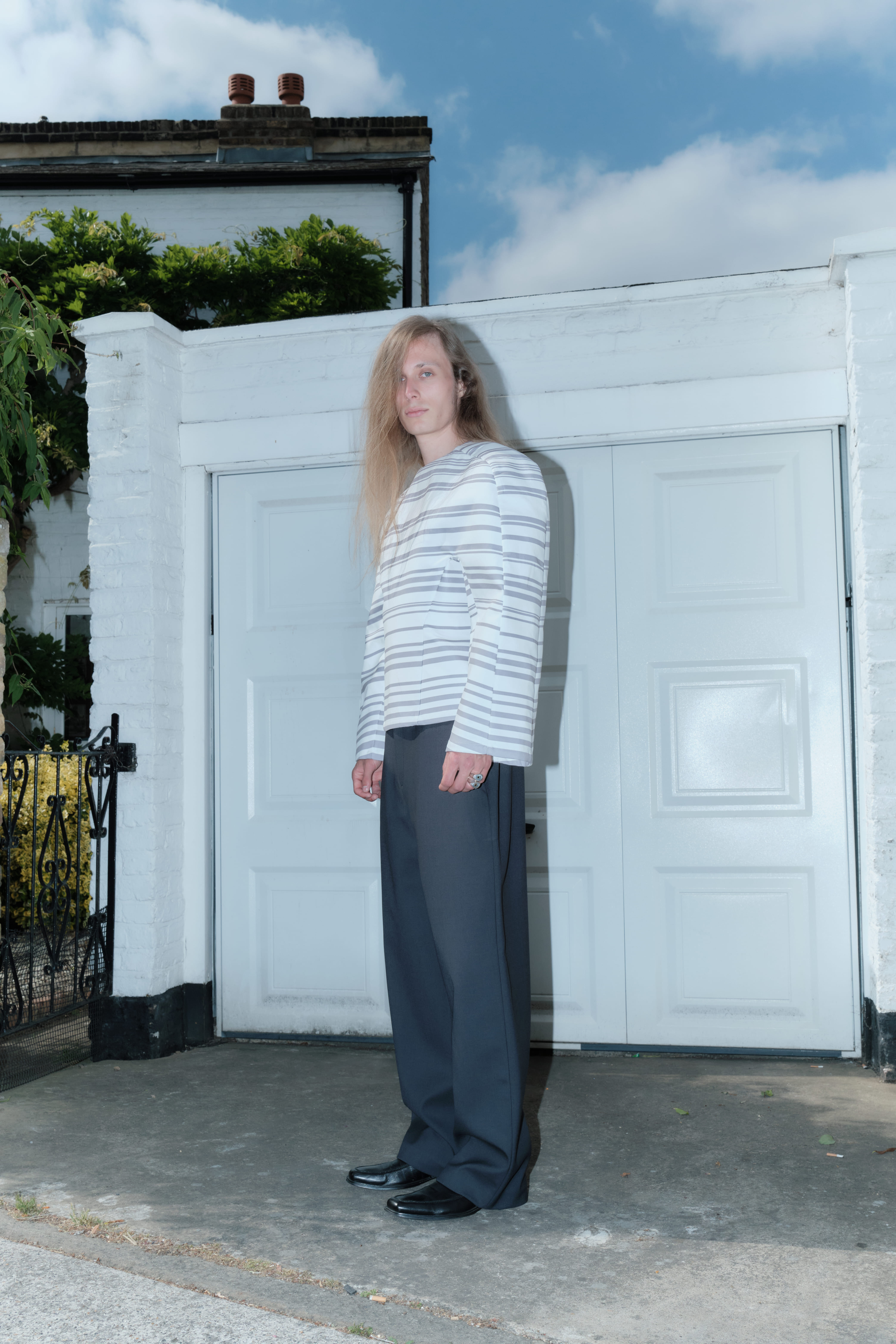
This collection also investigates the simultaneous expression, concealment, and, to some extent, construction of false identity that occurs when we dress ourselves. Fashion is often thought of as a route of self-expression, however curating one's outward appearance is as much a carefully calculated as it is instinctual process, choosing garments based on taste and aesthetics, but also on what one wants to communicate to the outside world about oneself. Like Adrien's character in “La Collectionneuse”, Liu’s garments in this collection express the constant negotiation between our inner desires, our outward self-image, and to what extent we choose to express each one.
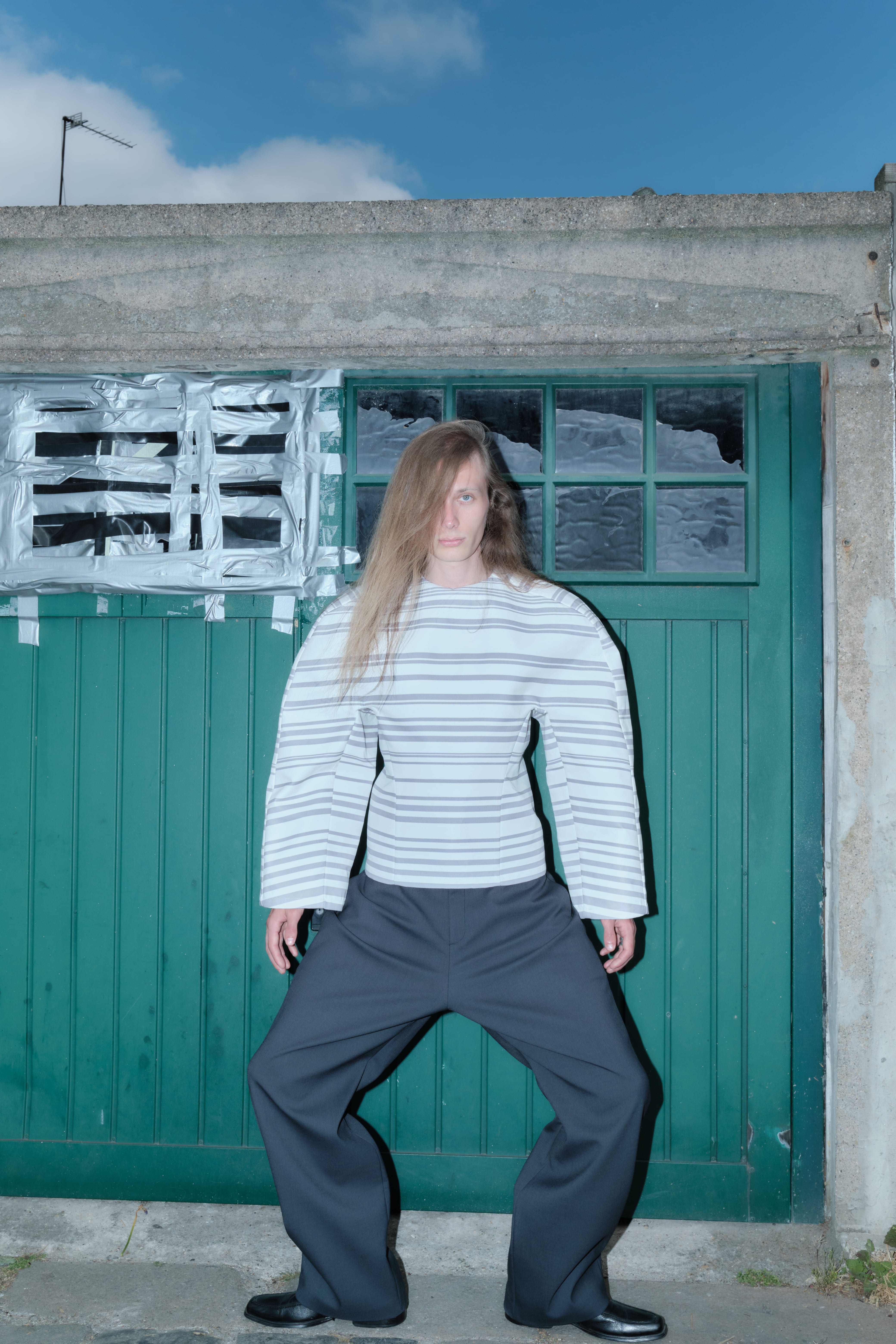
The central tension of this collection underpins several design choices. This tension begins with the garment's form, which features rigid, structured silhouettes defined by sharp tailoring and intentional control. This emulates the work uniform, which has become popular in corporate or professional settings, restrained and sharp, like armour - expressing professionalism and formality while concealing personality and intention - the external image one strives to maintain. This is then juxtaposed with soft fabrics like silk, more closely tied to moments of privacy, where one may remove the armour and be vulnerable, similar to the fabrics worn While You [Are] Sleeping. The soft fluidity of the silk allows the garments to shift and transform with every movement of the body, visually blurring the line between concealment and revelation of one's body and internal identity. Softness becomes more than the tactile experience of material on skin; it takes on a translatory quality that represents the vulnerability and openness an individual may exhibit when confronting desire and intimacy, despite the walls built through outward expression.
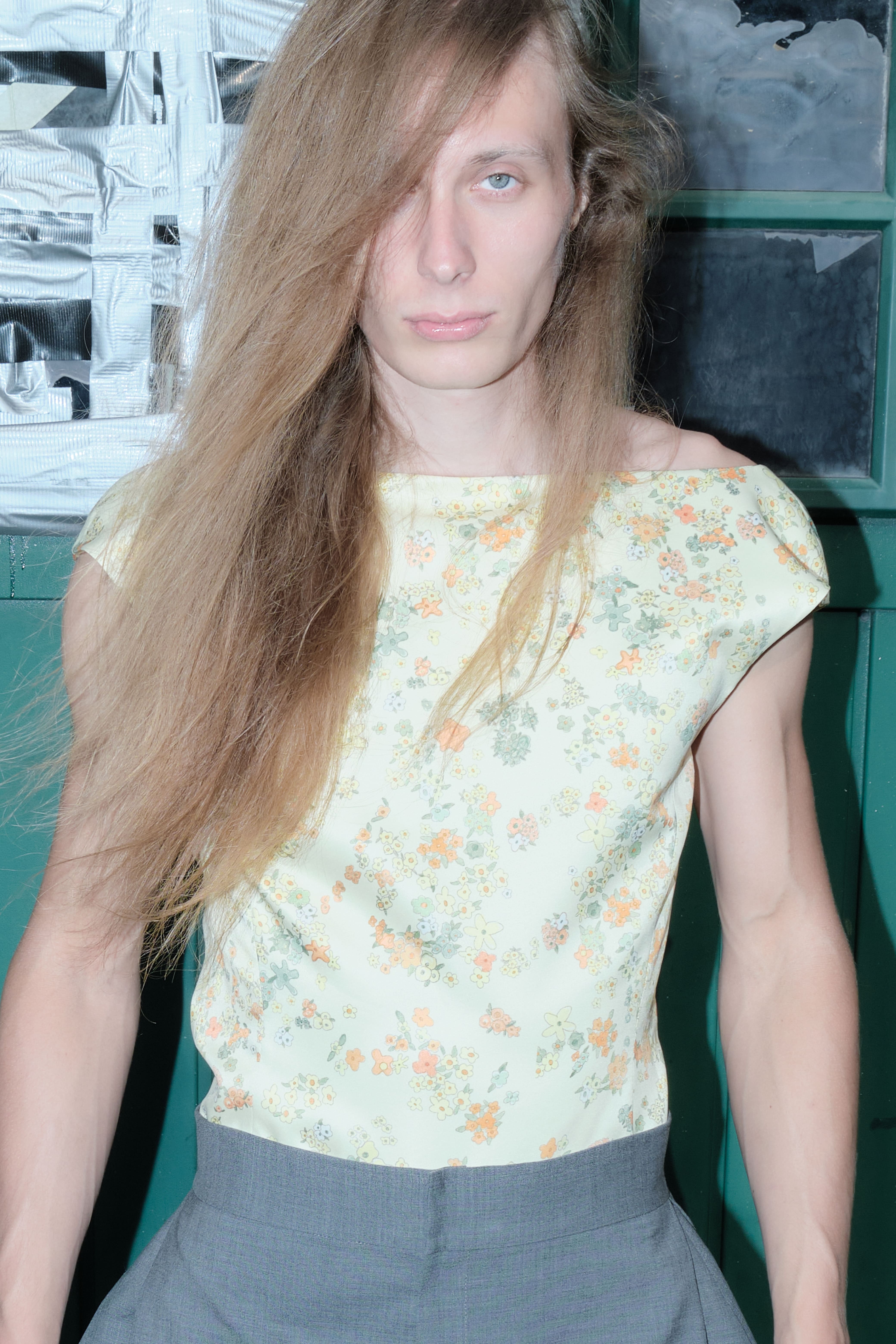
Even the floral prints introduce the tension between instinct and human-imposed order, between Haydée and Adrian. The floral motif, which integrally symbolises life and vitality is arranged in repetitive patterns, organising freedom and curbing natural impulses to ensure order and regularity, transforming an innocent, delicate pattern into a vessel for more complex emotional and psychological tension.
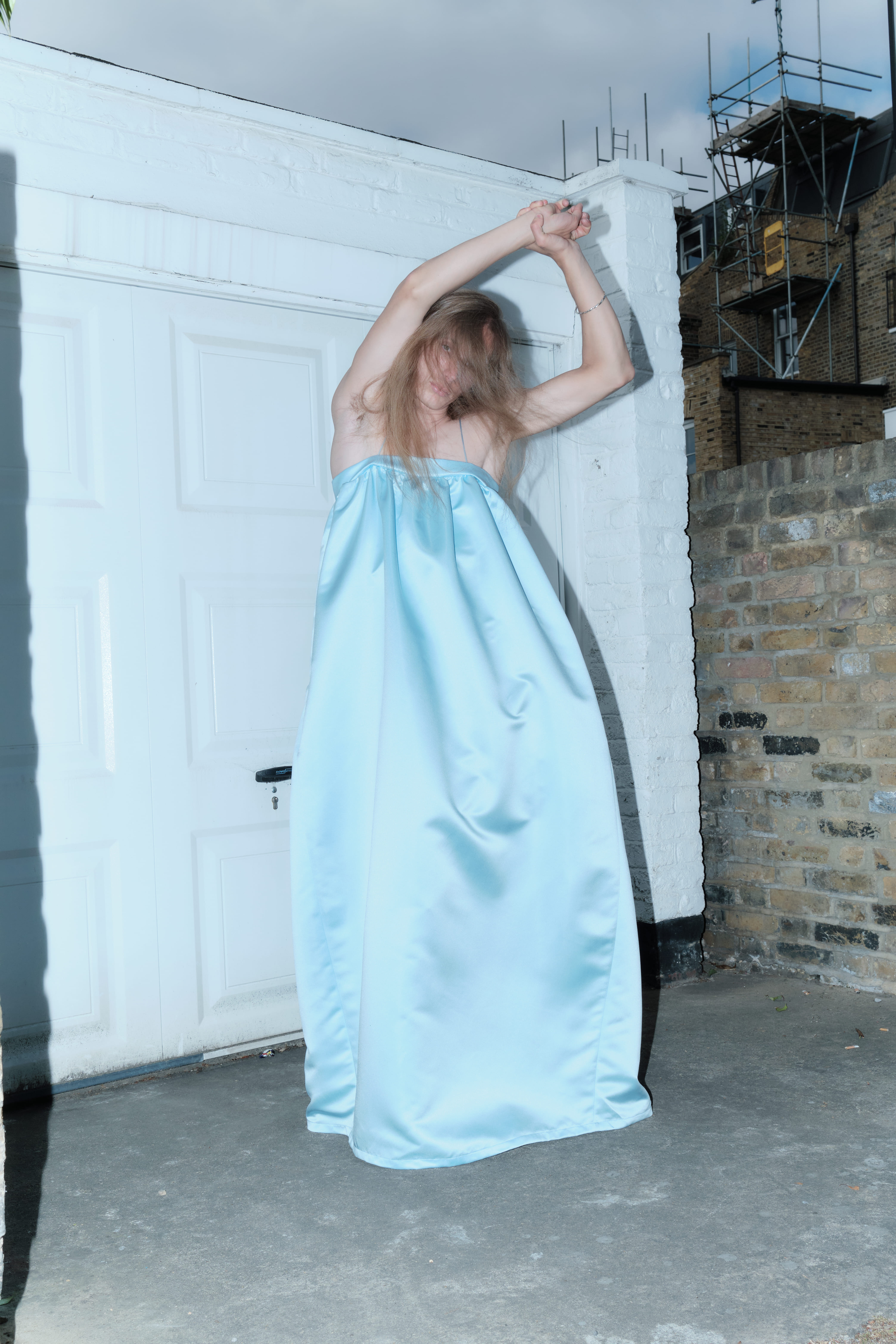
This collection exists as a middle point between extremes, workwear and sleepwear, freedom and restraint, sharpness and softness, and, through these contradictions, transforms the choice to get dressed into a psychological investigation into intention and expression. Liu’s clothing itself serves simultaneously as a tool for self-protection and self-revelation, while encouraging the wearer to consider how we shape how others perceive us through what we wear, and whether, through our clothing choices, we may also inadvertently reveal the very emotions and longings we attempt to keep hidden.