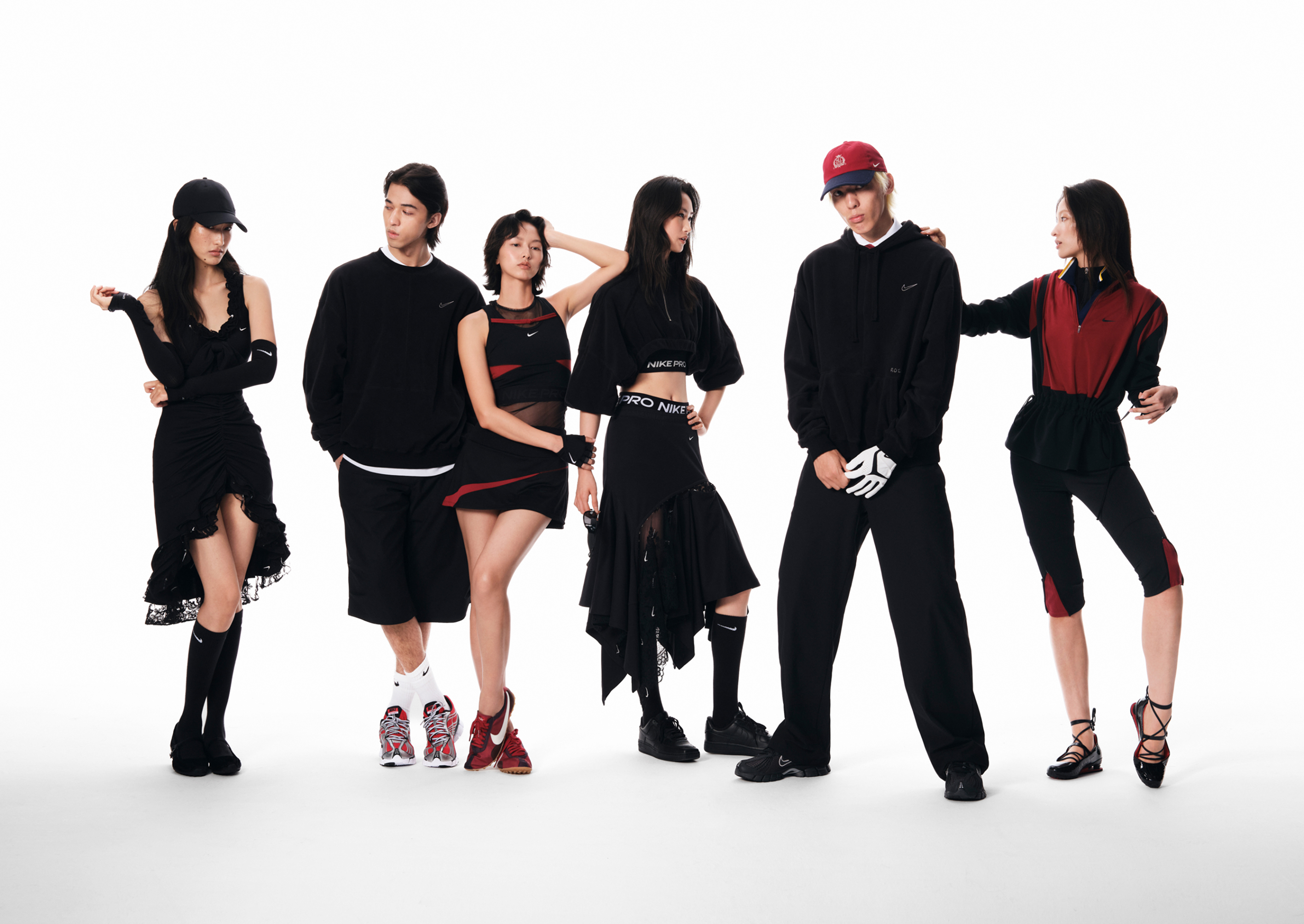
In conversation with Tasha Liu on the community behind Chinese independent fashion.
Fashion loves a viral moment. But what comes after the hype? For independent designers, a viral hit or a successful collection might bring attention, but building a brand that lasts takes much more.
The business side of fashion might not be the most glamorous topic, but it deserves just as much attention. This time, we're turning the spotlight on the people helping independent designers grow. For the past decade, Shanghai-based LABELHOOD (@labelhood.official) has been building a community dedicated to supporting Chinese independent designers, from creative development to the realities of running a fashion business.
Interestingly, hype isn't just about individual brands. Sometimes, it surrounds an entire culture. With the rise of “Chinamaxxing” and the growing fascination with Chinese aesthetics, how much of that cultural attention translates into meaningful opportunities for the independent designers shaping Chinese fashion today?
We spoke with Tasha Liu, co-founder of LABELHOOD about the challenges of building an independent fashion brand, the importance of long-term creative communities, and why Chinese designers are increasingly defining success on their own terms.
Part 1: A Decade On
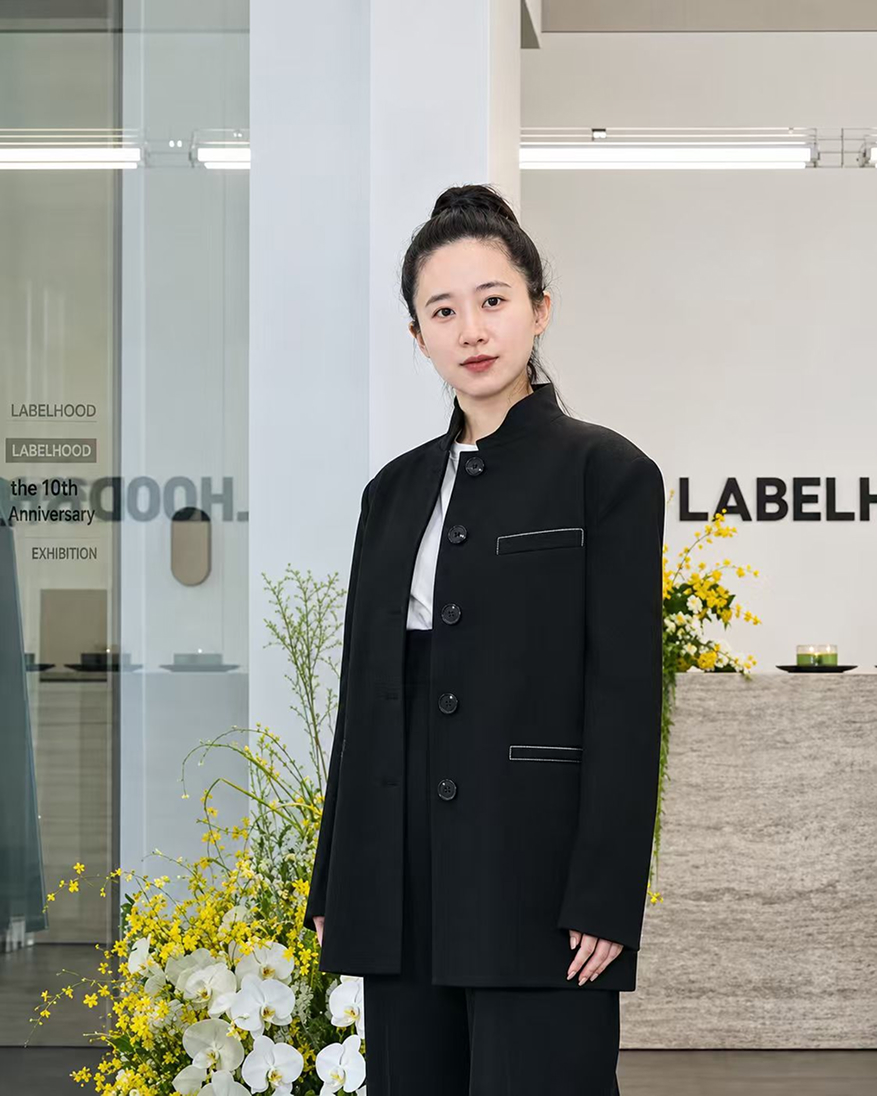
A2Z: Many brands only seem to arrive in the public eye after a decade of quiet work behind the scenes, and LABELHOOD has travelled a similar road, from a multi-brand boutique in Shanghai to a home for Chinese independent design. For someone hearing the name for the very first time, how would you introduce LABELHOOD, beyond the usual description of “a platform for Chinese designers”?
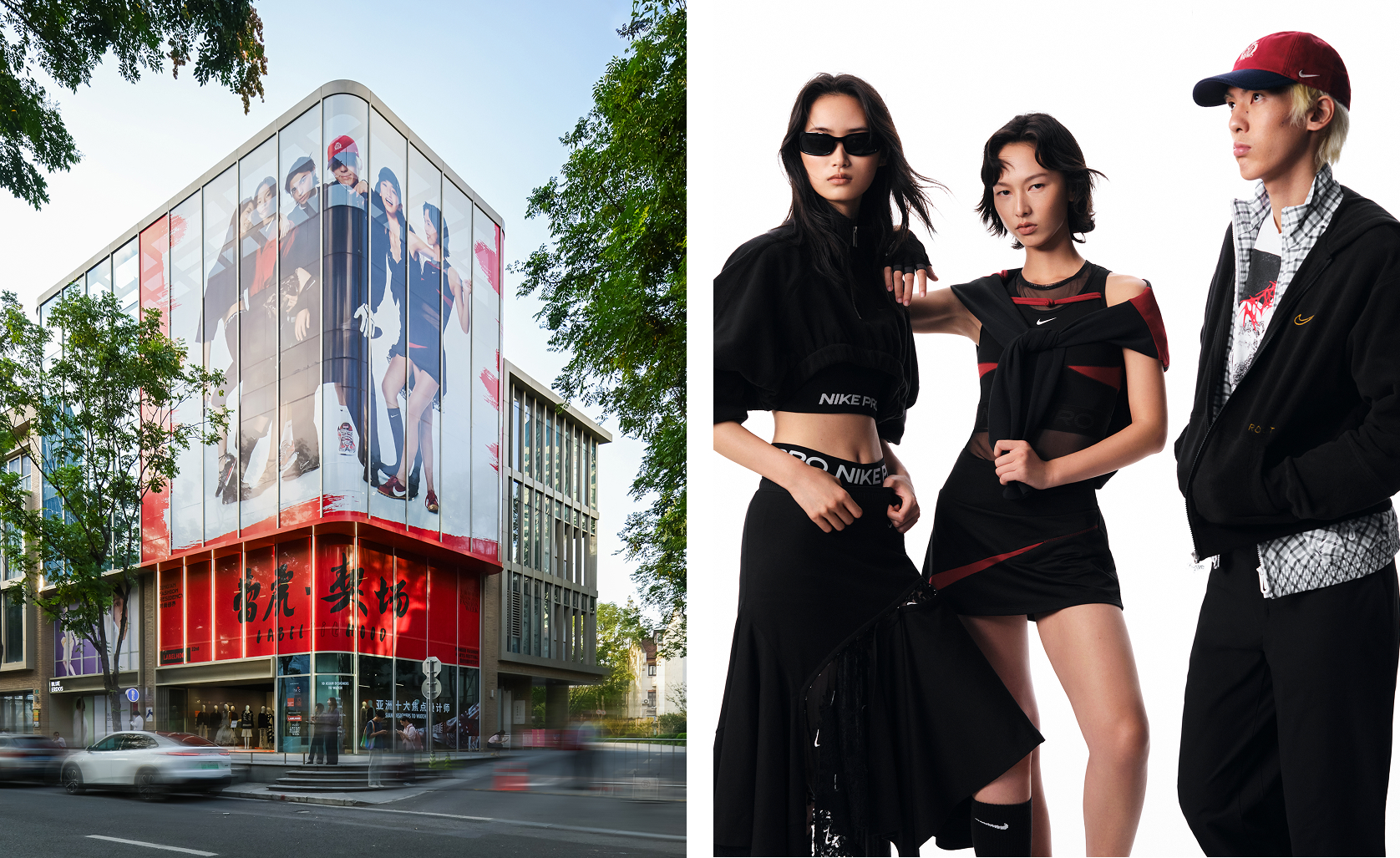
TASHA: I often describe LABELHOOD as an incubating community built around people who believe in creativity. We started with a simple idea: to create a space where independent Chinese designers could be seen, understood and supported. Over the past decade, we’ve expanded our international reach, connecting Chinese creative voices with oversea audiences.
Today, LABELHOOD brings together fashion presentations, retail, emerging talent and cultural experiences. But at its heart, it’s always been about people — creating a community where different creative voices can connect, grow and evolve.
A2Z: Readers in London may know platforms like Fashion East or the BFC’s NEWGEN, which focus mainly on showcasing and mentoring emerging designers. When LABELHOOD decides to work with a designer, what do you actually do for them, and how is that different? Could you walk us through it, using one designer as an example?
TASHA: I have great respect for organisations like Fashion East and NEWGEN. What makes LABELHOOD different is how we connect creative development with the realities of building a brand.
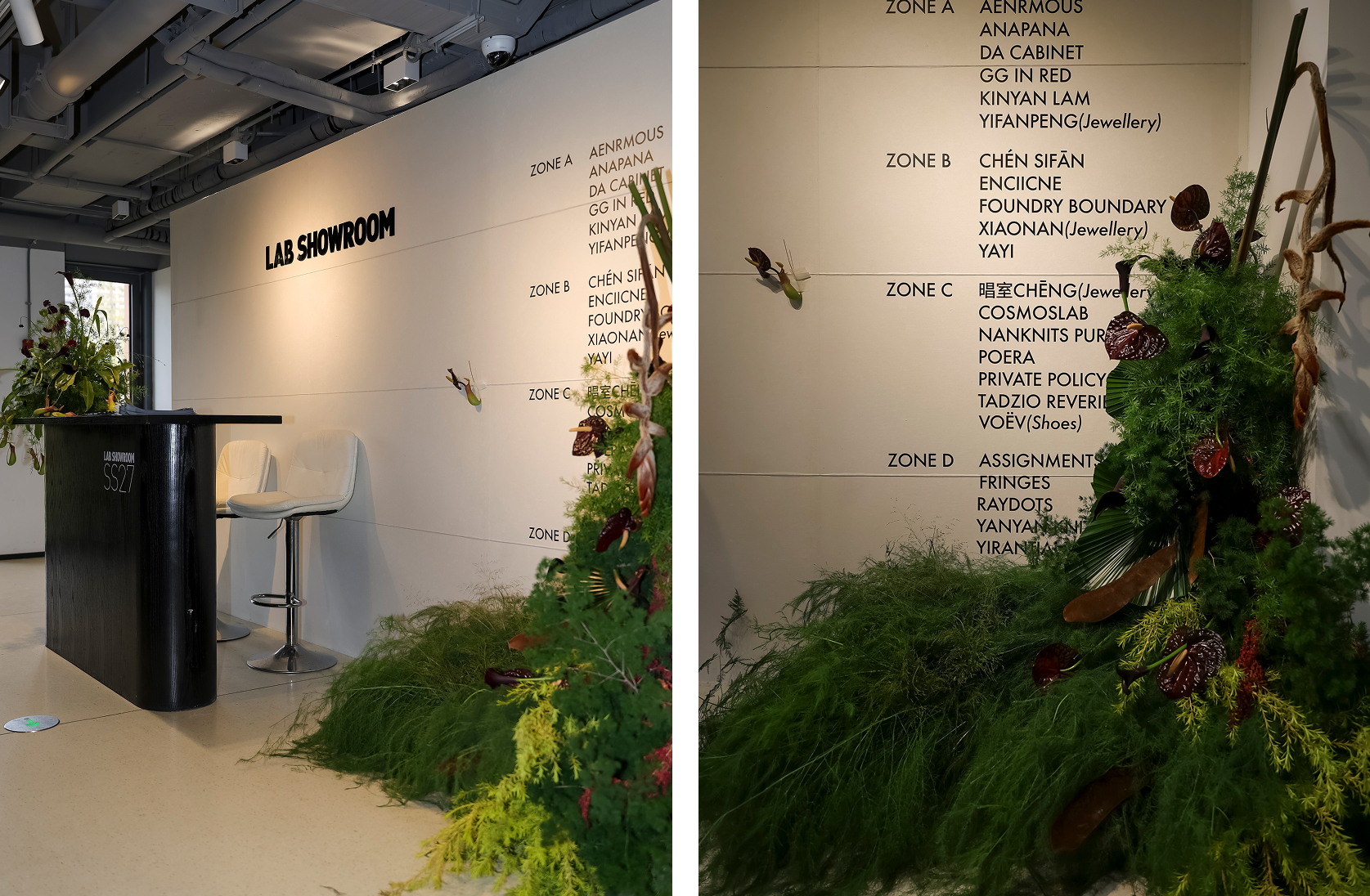
Through our fashion presentations, LAB SHOWROOM, retail network and creative collaborations, we work with designers at different stages of their development.
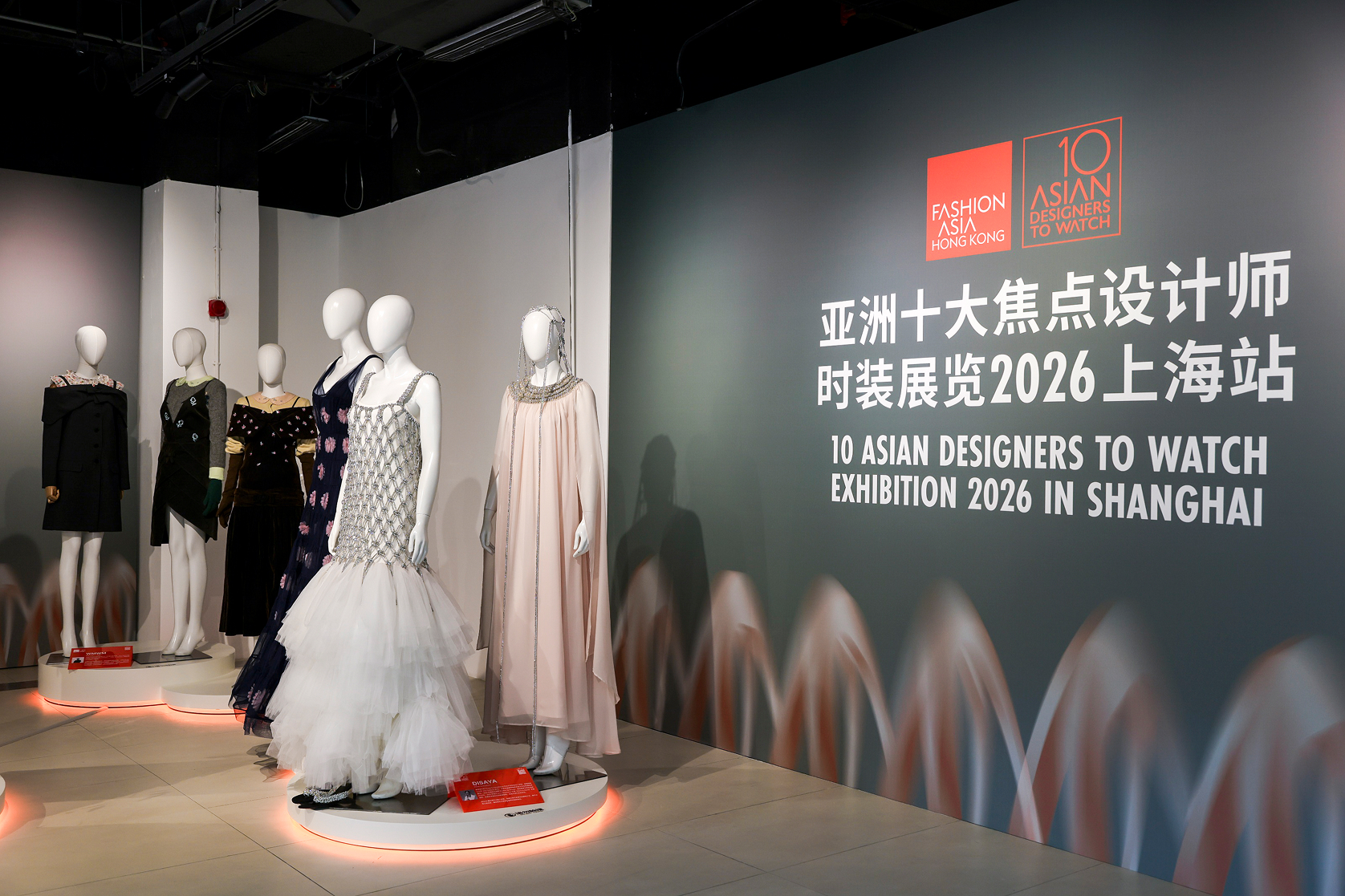
We work with the Shanghai Fashion Designers Association (SFDA) to connect young talent with industry mentors, professional resources and opportunities to present their work. Jing'an Fashion Residency, a designer incubation initiative led by the Jing'an District People's Government, is another important part of this ecosystem, helping emerging designers move towards professional development. CHÉN SIFĀN is one example of a designer who has benefited from this support, recently winning the "Annual Best Breakthrough Chinese Designer" award at 2026 Douyin Fashion Designer Competition. As designers develop their brands, LAB SHOWROOM connects them with buyers and wholesale opportunities, helping them reach a wider market.
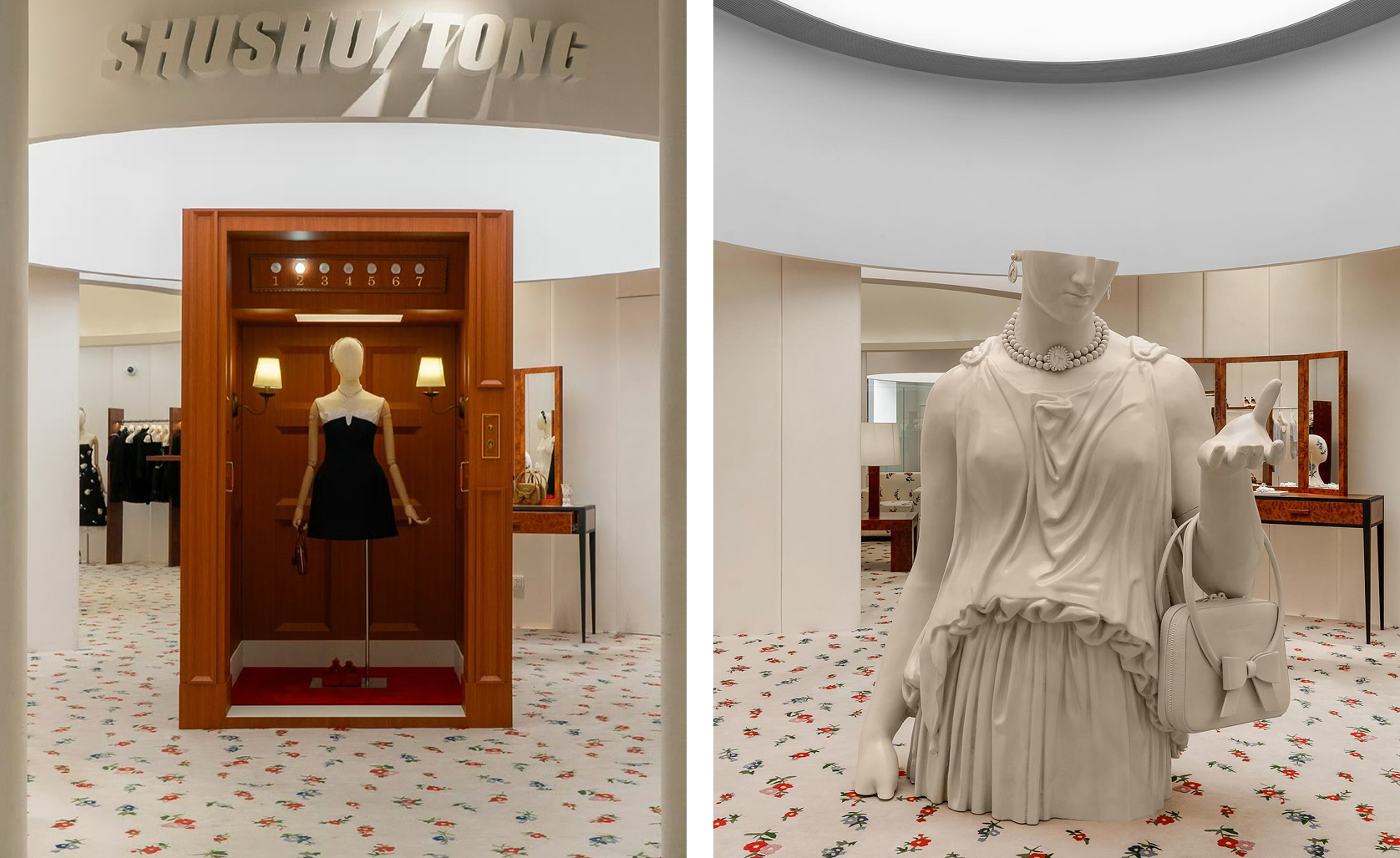
Retail is another important part of this journey. We work closely with designers on merchandising, store operations and retail development, helping them establish their own physical spaces and build more direct relationships with consumers. With LABELHOOD's support, SHUSHU/TONG has opened four flagship stores in China, while MARKGONG opened its Shanghai flagship this year.Ultimately, it's about supporting designers at different stages of growth, from developing their creative identity to building a sustainable business.
Part 2: This Season, LABELfitHOOD
A2Z: This season’s theme, LABELfitHOOD, centres on the idea of “fit”, yet independent design can sometimes mean refusing to fit in. How do you see this tension?
TASHA: For me, "fit" has never been about fitting into an existing mould. It is about finding the right connections. Independent designers need the freedom to develop their own voices, even when those voices challenge conventional ideas of fashion. At the same time, creativity doesn't happen in isolation. Designers need people who understand them, spaces where they can experiment, and communities that allow them to grow. That is what LABELfitHOOD means to me. It's not about everyone becoming more alike, but about different creative identities finding a place where they can belong without losing what makes them unique. The most interesting things often happen when people who are very different come together.
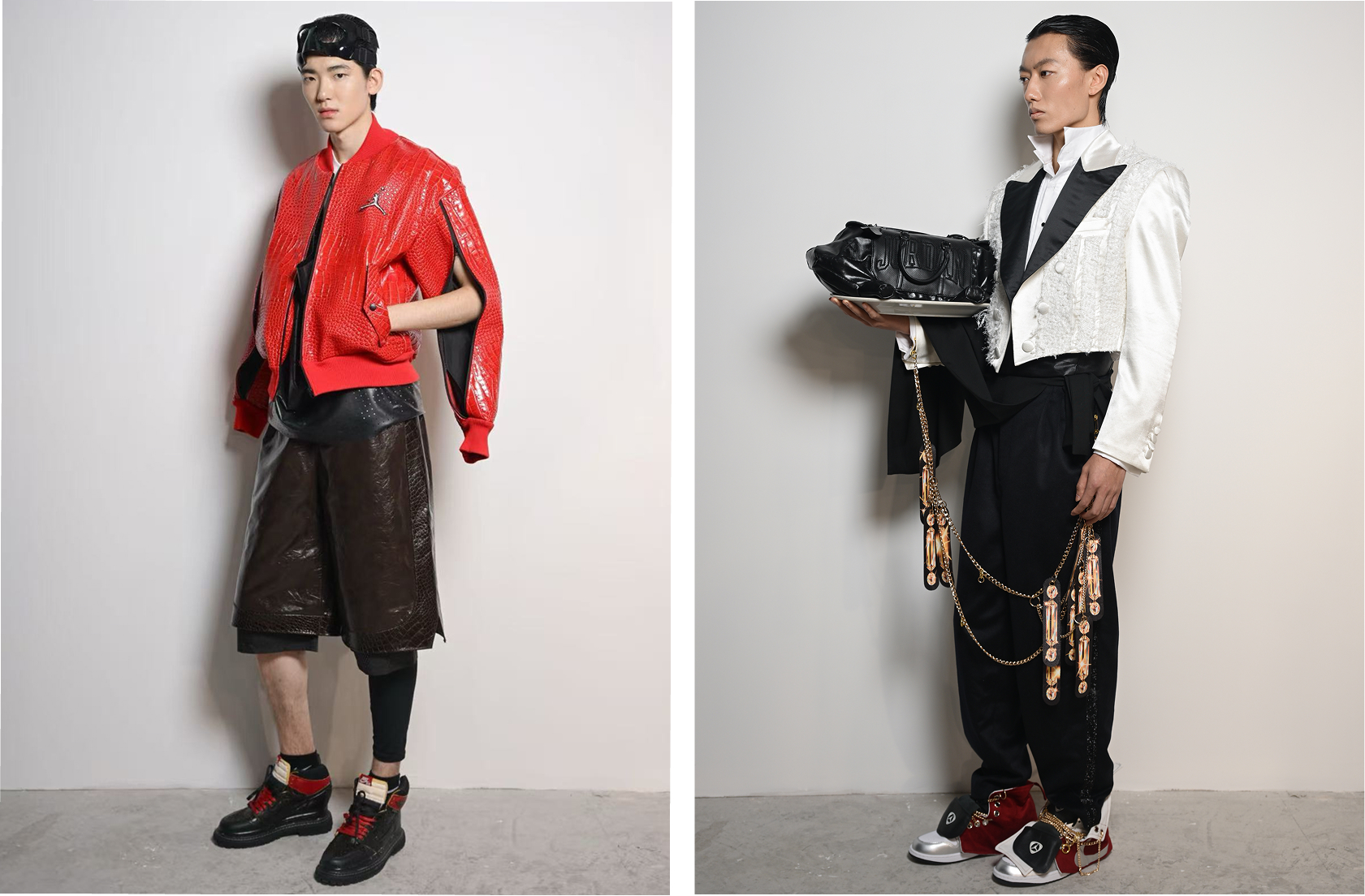
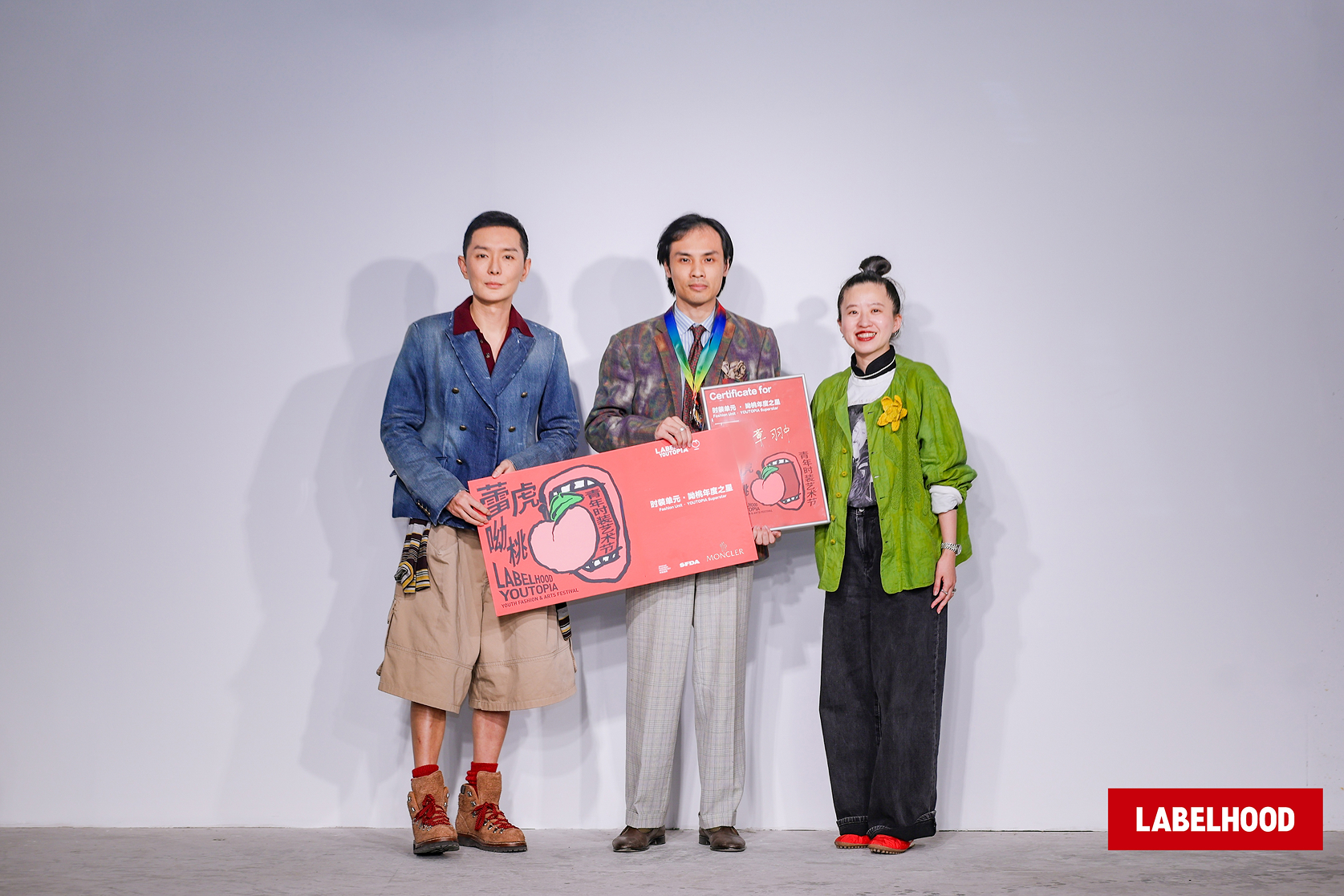
A2Z: In some of your previous interviews, you mentioned that your approach always starts with people. Could you tell us about this year’s two YOUTOPIA Fashion Final award winners, Zhangchong Feng and Zixin Wang? What are the winners’ stories and designs, and what moved you about them?
A2Z: What excites me most about YOUTOPIA is seeing how young people translate their personal experiences into fashion.
This year, Feng Zhangchong received both the YOUTOPIA Fashion Star of the Year and Spotlight awards, both supported by Moncler. Feng's work drew inspiration from his childhood memories of Cantonese restaurants in Guangzhou. What moved me was the authenticity of his work. Rather than relying on obvious cultural symbols, he returned to his own cultural roots and everyday experiences to create something deeply personal.
Wang Zixin, winner of the JORDAN × YOUTOPIA Special Award, explored a different direction, reinterpreting basketball and street culture through experimental materials and deconstructed silhouettes.
Their approaches are very different, but both reflect the confidence to express their own identities. That's what makes YOUTOPIA meaningful to me.
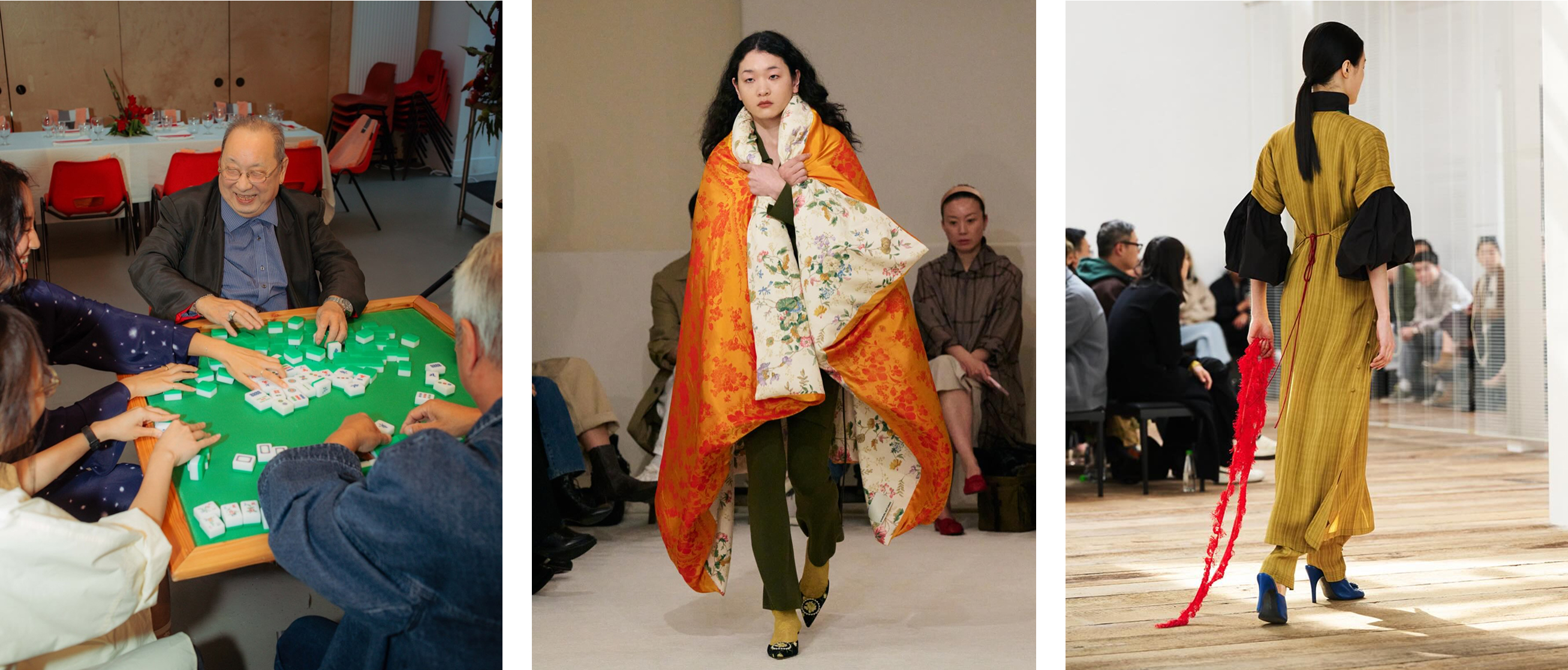
A2Z: This season, YANGKEHAN opened its Shanghai flagship and SAMUEL GUÌ YANG opened its first standalone store. What does the journey typically look like for an independent Chinese designer, from graduation to opening their own store? What is the hardest stage?
TASHA: I think the hardest part is turning a creative vision into a sustainable brand. To me, there are three important elements.First is aesthetics — developing a distinctive creative identity and staying true to it while continuing to evolve. Second is community. A strong brand brings together people who share its values and connect with its vision. Over time, this sense of belonging helps build a loyal customer base that grows alongside the brand. Third is trust in partnerships. Building a brand takes time, and having partners who understand its vision and are committed to supporting its long-term development makes a real difference.
This season, we supported the opening of YANGKEHAN's Shanghai flagship and SAMUEL GUÌ YANG's first standalone store. It's rewarding to see these designers reach a new stage in their journey, with their own spaces where they can connect more closely with the communities they've built over time.
A2Z: Douyin (Chinese TikTok) is this season’s exclusive platform partner. To many outsiders, an algorithm-driven short-video platform and independent design feel like two different worlds. How do these two worlds actually work together?
TASHA: I don't think independent design and digital platforms necessarily contradict each other. The important question is how we use these platforms.Independent fashion has traditionally existed within a relatively small circle of people — designers, editors, buyers and fashion enthusiasts. But creativity shouldn't only be understood or appreciated by people within the industry. With Douyin joining YOUTOPIA as our exclusive platform partner this year, we wanted to give young creators another way to share their ideas and connect with audiences beyond the traditional fashion community. For some of these young designers, it was also an opportunity to think about how to communicate their creative process, not just present the finished work.
Of course, we shouldn't allow algorithms to define what good design is. Popularity and creative quality are not the same thing. That's why we believe professional evaluation and public engagement can exist alongside each other. If platforms like Douyin can help more people discover independent fashion, develop curiosity about designers and eventually become part of the community, I think that's a positive thing.
Part 3: Chinese Independent Designers and Looking Beyond
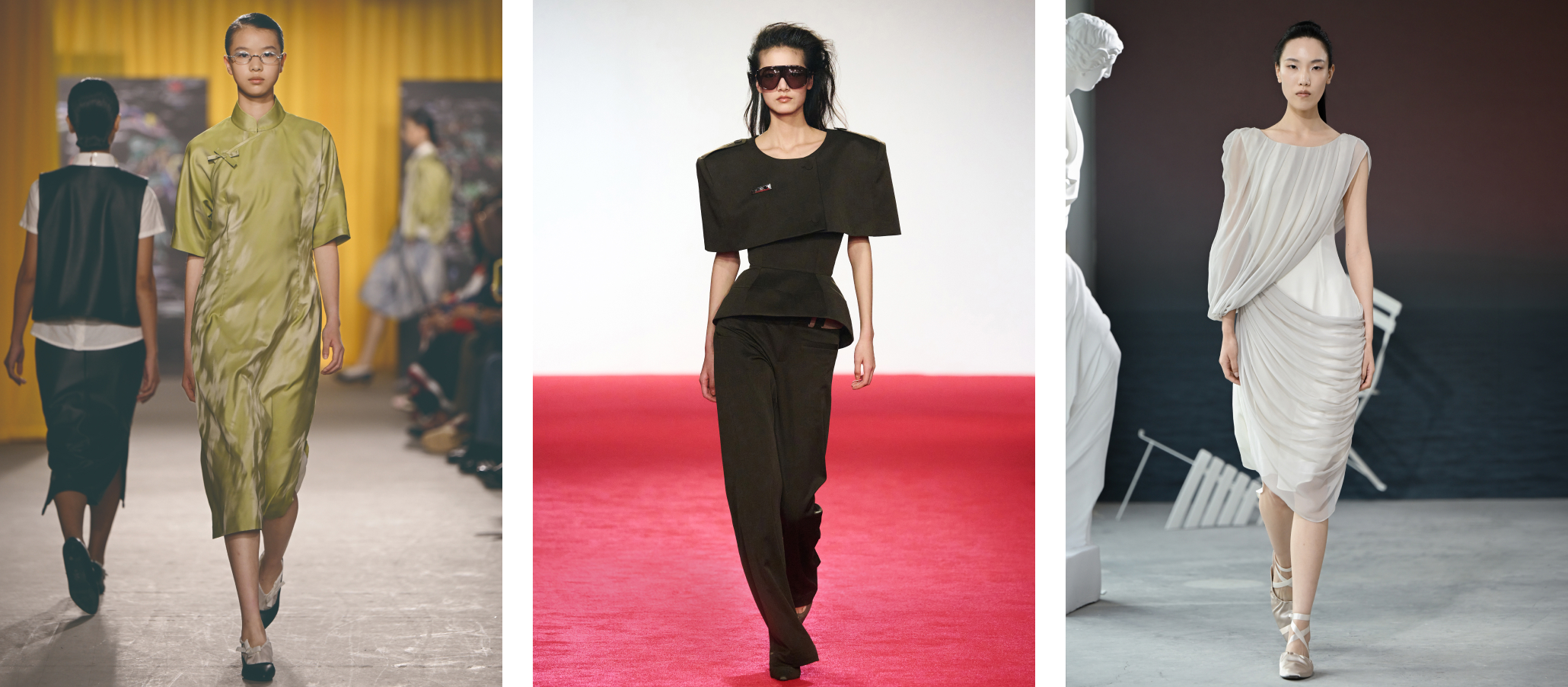
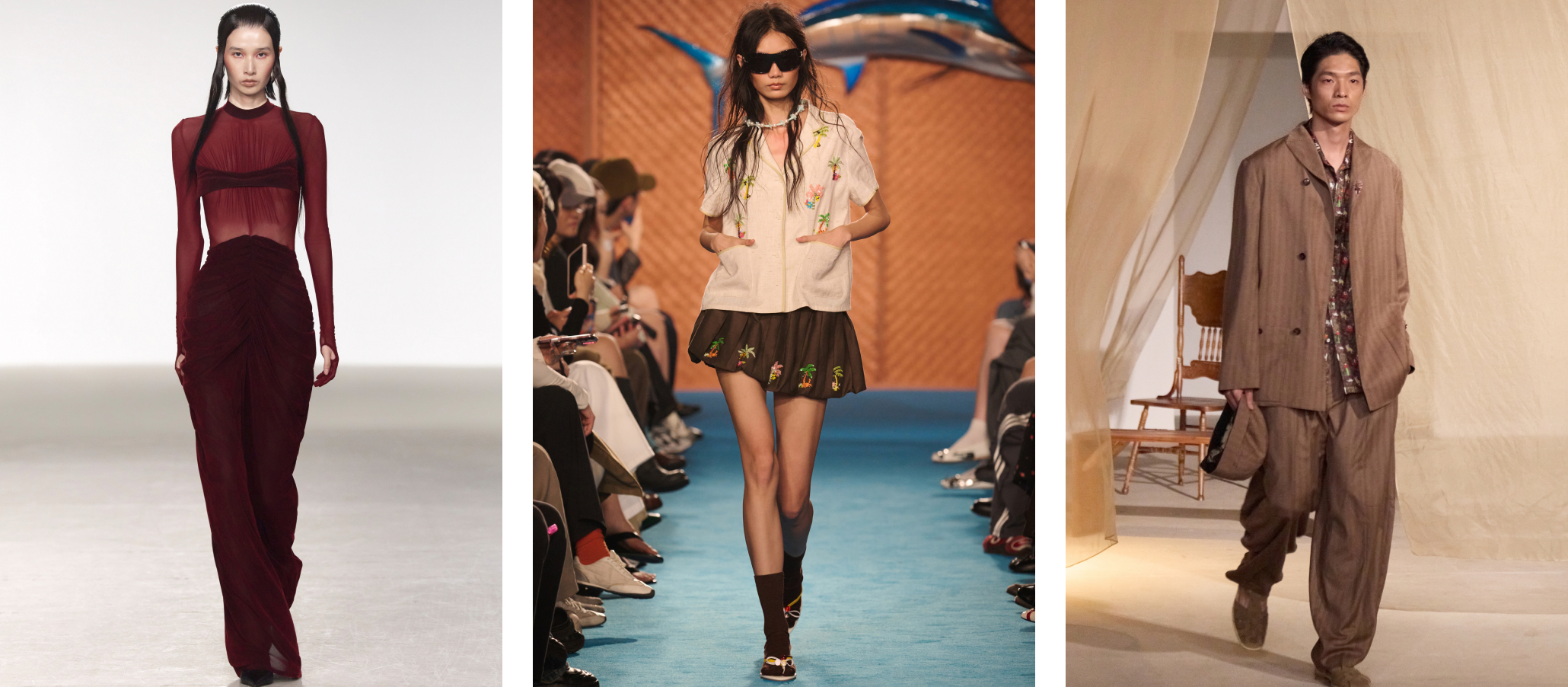
A2Z: This year there has been a surge of global interest in China, from “Chinamaxxing” to Western designers drawing on Chinese elements. Yet many LABELHOOD designers rarely use such overtly “Chinese symbols”. Where do you think the “Chinese” lies in Chinese design today?
TASHA: I don't think Chinese design needs to be defined by recognisable Chinese symbols. For a younger generation of designers, being Chinese is simply part of who they are. It shapes their memories, their relationships, their understanding of beauty and the way they see the world. But it doesn't always need to appear as a traditional pattern, a particular fabric or an obvious cultural reference.
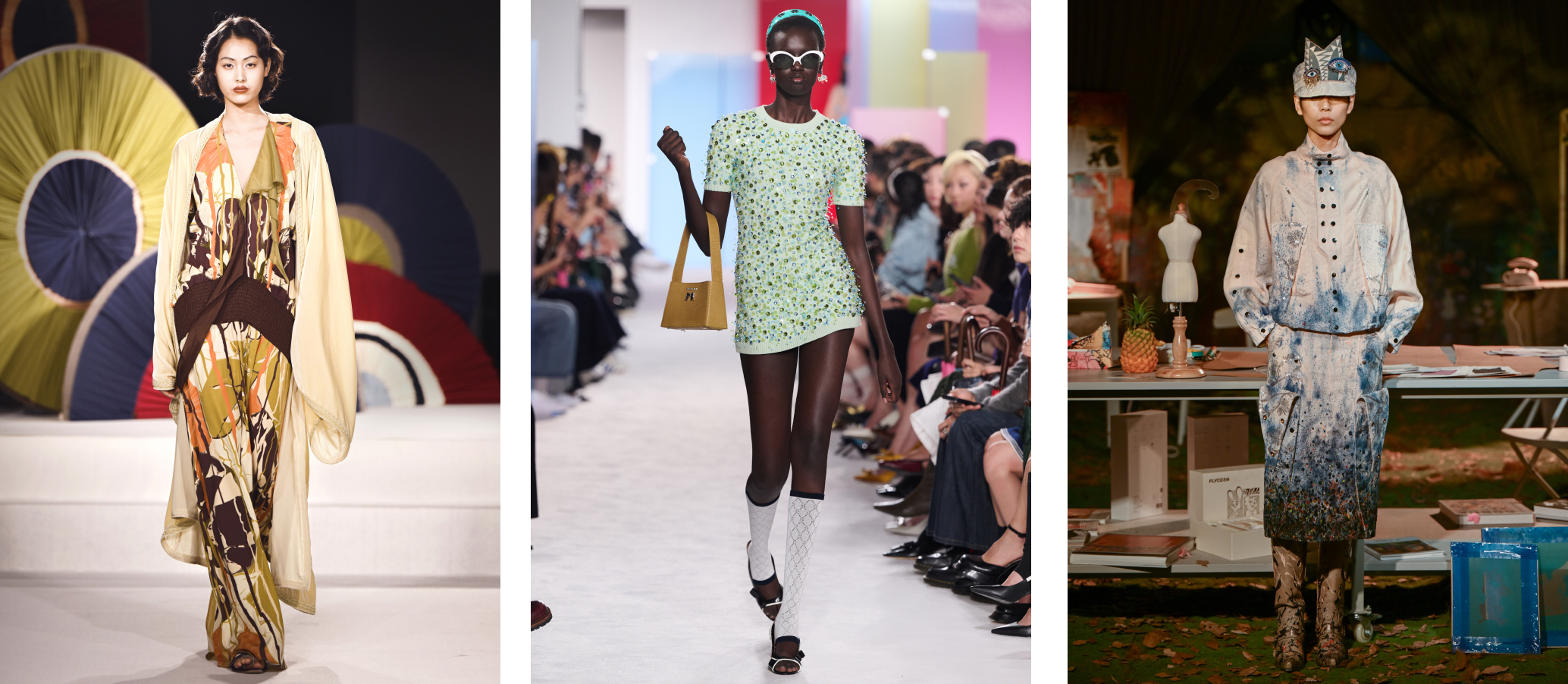
What I find interesting about Chinese designers today is the diversity of their perspectives. Some draw from traditional craftsmanship, while others are influenced by contemporary art, music, youth culture or the experience of moving between different cities and cultures. They're not necessarily trying to explain China to the world. They're expressing their own identities, and those identities are naturally informed by the society and culture in which they grew up.
I think that's a much more exciting way to understand Chinese fashion. Chinese culture isn't something fixed in the past. It is something that continues to be created and reinterpreted by the people living within it today.
A2Z: What do you think the international fashion industry still misunderstands about Chinese designers? Is there a narrative about Chinese fashion that you wish people would move beyond?
TASHA: I think there is still a tendency to see Chinese fashion as one movement, with one aesthetic or shared identity. But Chinese designers are incredibly diverse, each with their own creative language, cultural references and perspectives.
Over the past decade, we've seen Chinese designers develop stronger creative identities and build independent businesses with their own communities. They're no longer simply emerging talents, but creative voices with something meaningful to contribute to the global fashion conversation.
For me, the goal has never been just to bring Chinese designers into the international spotlight. It's about making Chinese design stay relevant to the world, through continuous creativity, cultural exchange and long-term connections. I hope Chinese fashion can be recognised not as a passing trend, but as an ongoing part of the global fashion landscape.
A2Z: For a long time, international recognition in fashion has been closely associated with cities like Paris, London and Milan. Do you think Chinese designers still need validation from these established fashion capitals, or are we beginning to see a different definition of success?
TASHA: Paris, London and Milan remain incredibly important fashion capitals, and I think international exposure can create valuable opportunities for Chinese designers. But I don't believe success should be defined by recognition from any one city.
Over the past decade, we've seen Chinese independent designers build increasingly confident businesses and communities of customers. There is now a generation of consumers who actively seek out Chinese design, not simply because it's Chinese, but because they connect with the creativity and identity behind these brands.
For LABELHOOD, international collaboration has always been about creating dialogue rather than seeking validation. Our Chinese New Year collaboration with Harrods in London is a good example. As we prepare to enter our fifth consecutive year of partnership in 2027, this collaboration has evolved into a long-term cultural and retail exchange, introducing Chinese independent designers and contemporary Chinese creative culture to international audiences.For us, the value lies not simply in bringing Chinese fashion overseas, but in building lasting relationships that create meaningful opportunities for designers and connect different creative communities. International recognition is meaningful, and so is building a strong and sustainable business at home. I think the most exciting change is that Chinese designers are increasingly able to define success on their own terms, whether that means building an independent label, opening a store, developing an international business or creating something entirely different.
A2Z: If you could change one rule about how the fashion industry operates today, what would it be?
TASHA: I would change the idea that fashion always has to move on to the next new thing.
Our industry is very good at discovering talent, but I think we need to become better at supporting that talent over time. Building a meaningful fashion brand takes patience. Designers need room to experiment, make mistakes, understand their customers and gradually develop their own businesses. Not everything needs to happen within one season.
At LABELHOOD, some of the relationships that mean the most to us are the ones that have grown over many years. We've seen designers evolve, take different directions and reach milestones that might have seemed very distant when we first met them.
If I could change one thing, it would be to encourage the industry to invest more in long-term relationships rather than short-term attention. I think fashion becomes much more interesting when we allow people and ideas the time to grow.