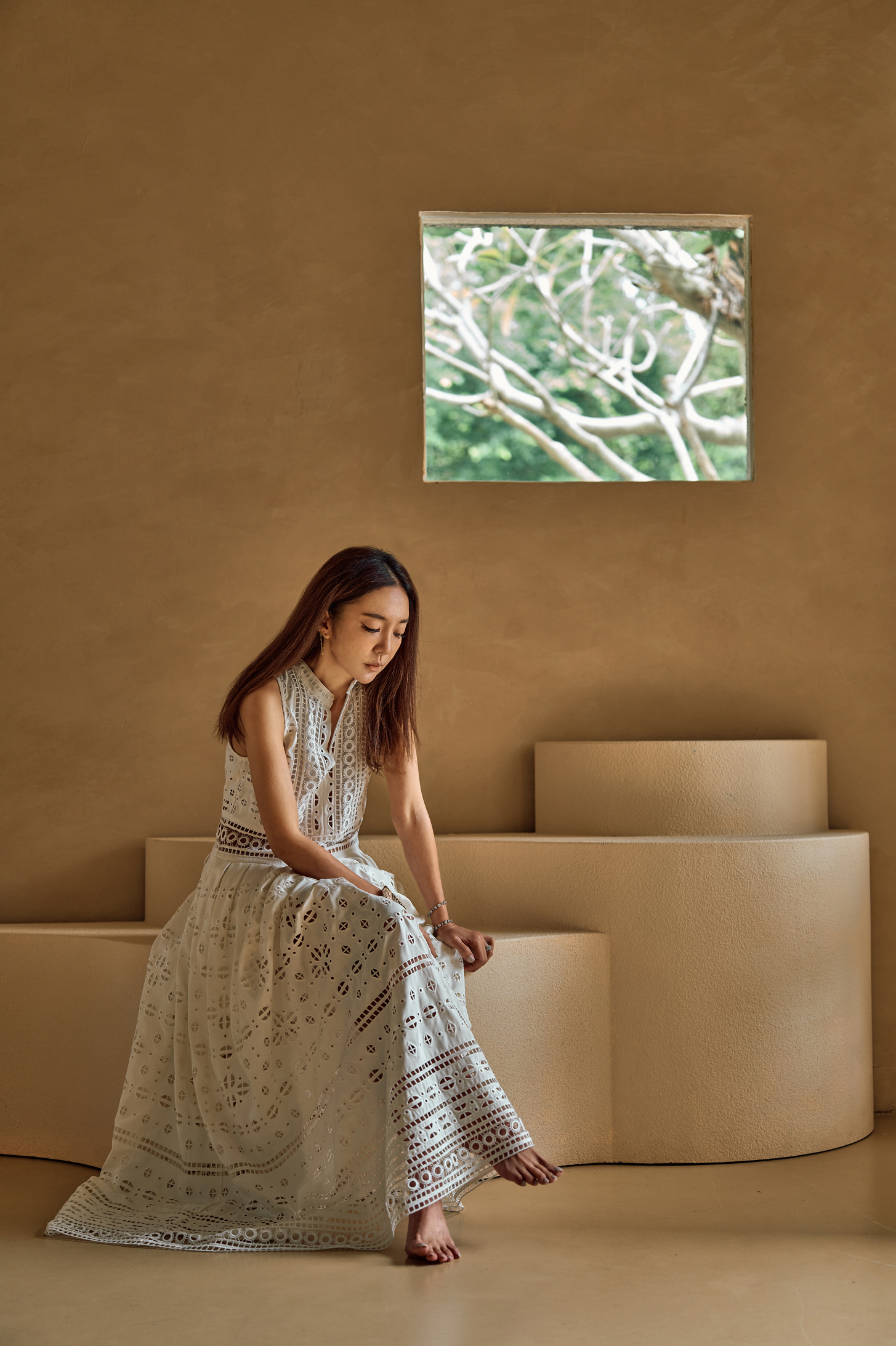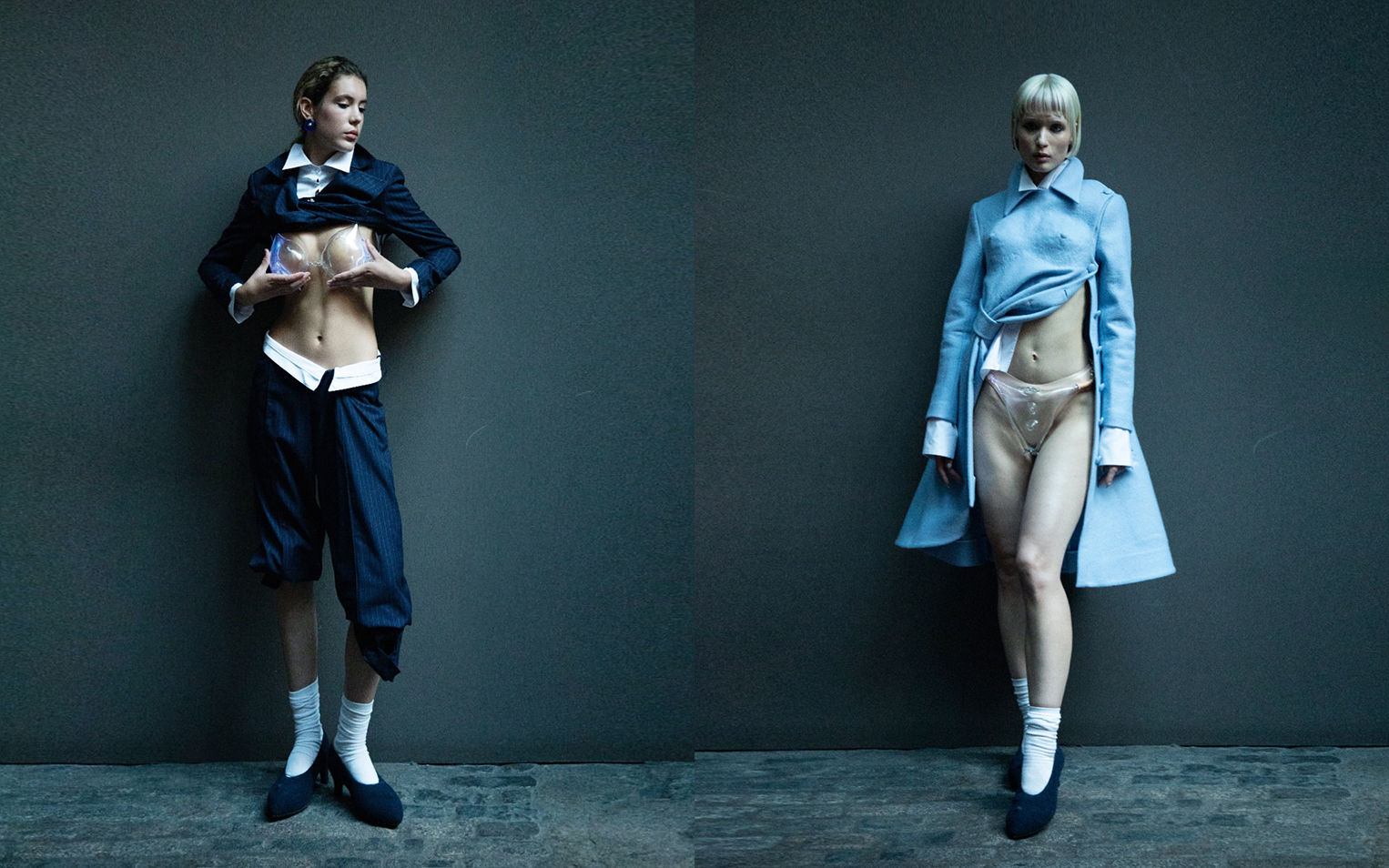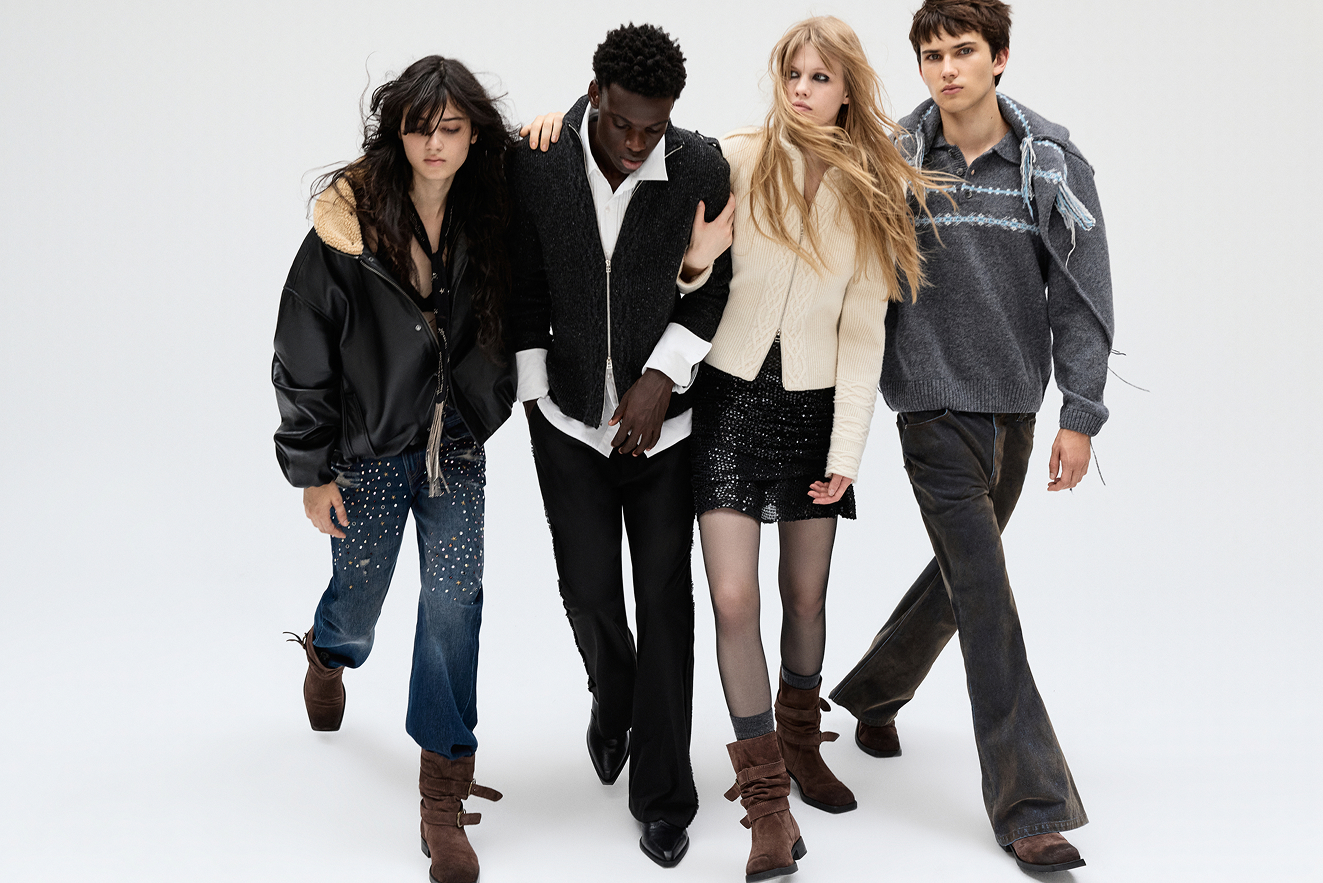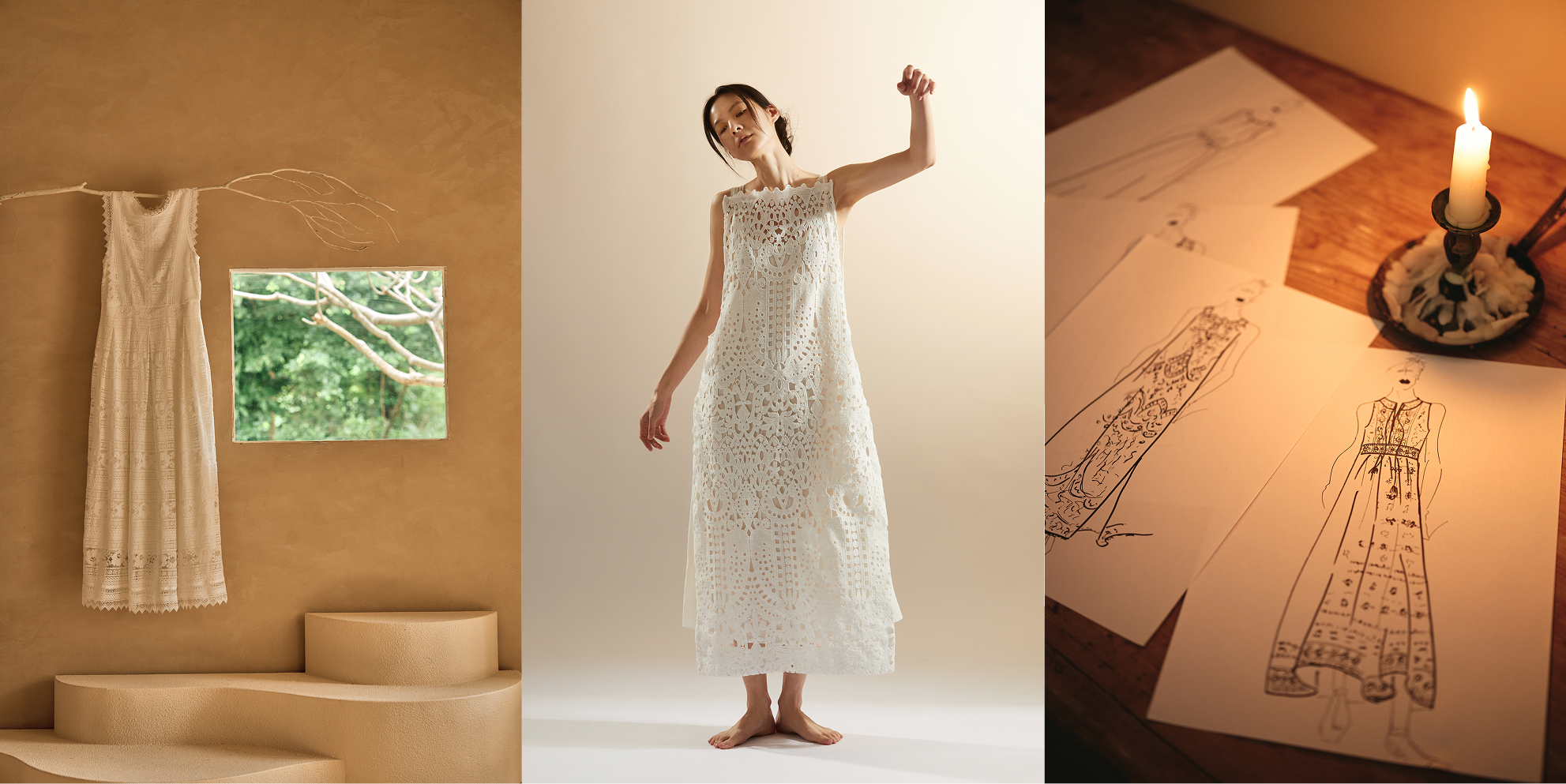
In the fashion brand KiiTO’s collection, ‘Breaking Free’, brand founder and chief designer Wei i Hsieh has developed the designs around a concept of gradual morphological transformation. The garments begin in a state of constriction, with the fabric hugging the body and the structure maintaining a high degree of control. As the design develops, this close relationship begins to loosen; subtle openings in the garments allow air to enter the fabric, causing the structure to shift.
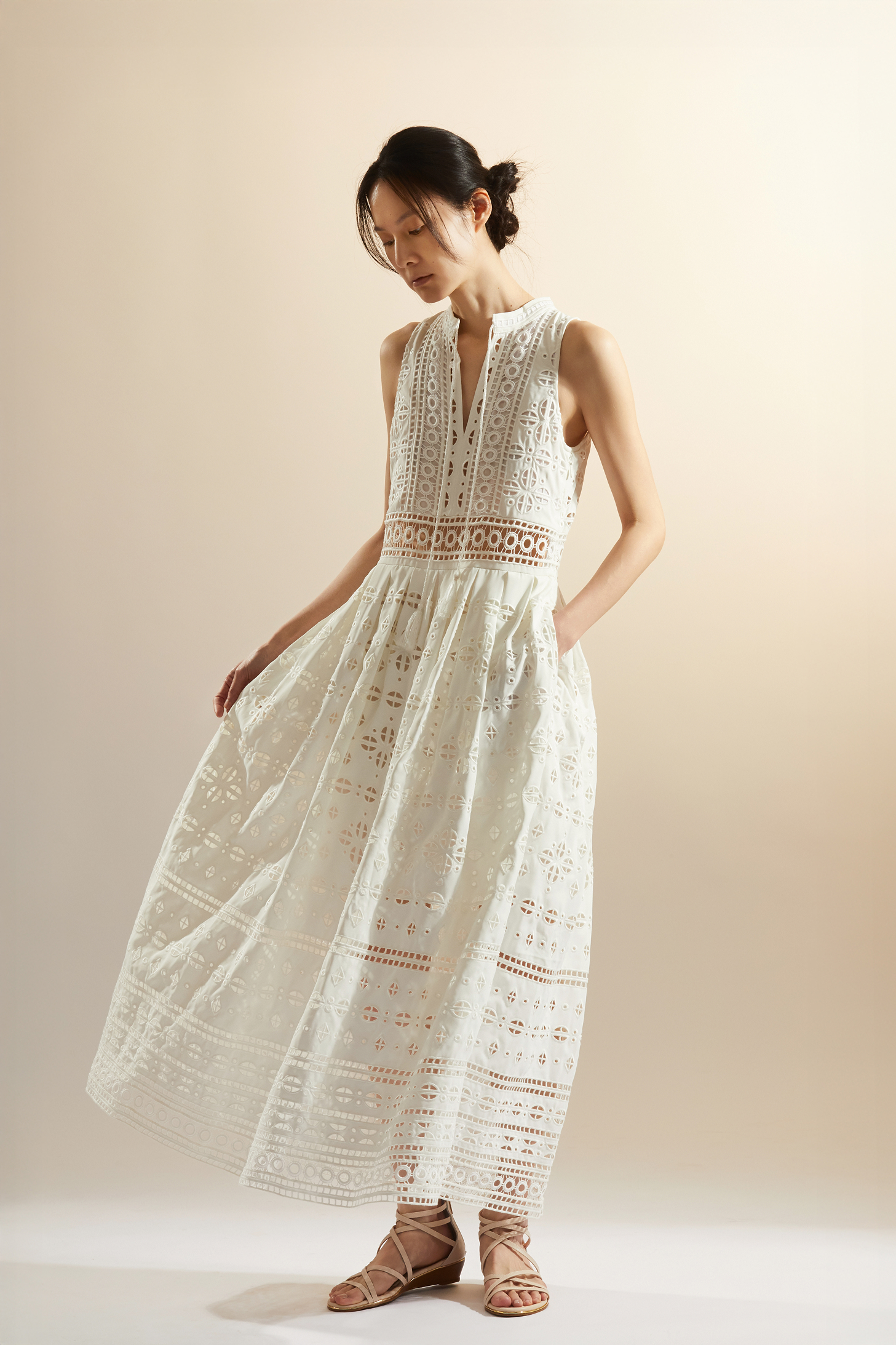
This transformation resonates with the natural process of growth. In nature, forms are never instantaneous but evolve through continuous shifts in tension. The garments in ‘Breaking Free’ reflect a similar process. As the fabric redistributes tension across these minute points, the silhouette becomes more open. The fabric forms natural curves in certain areas, and the garments shift from a closed state to a structure that feels more breathable.
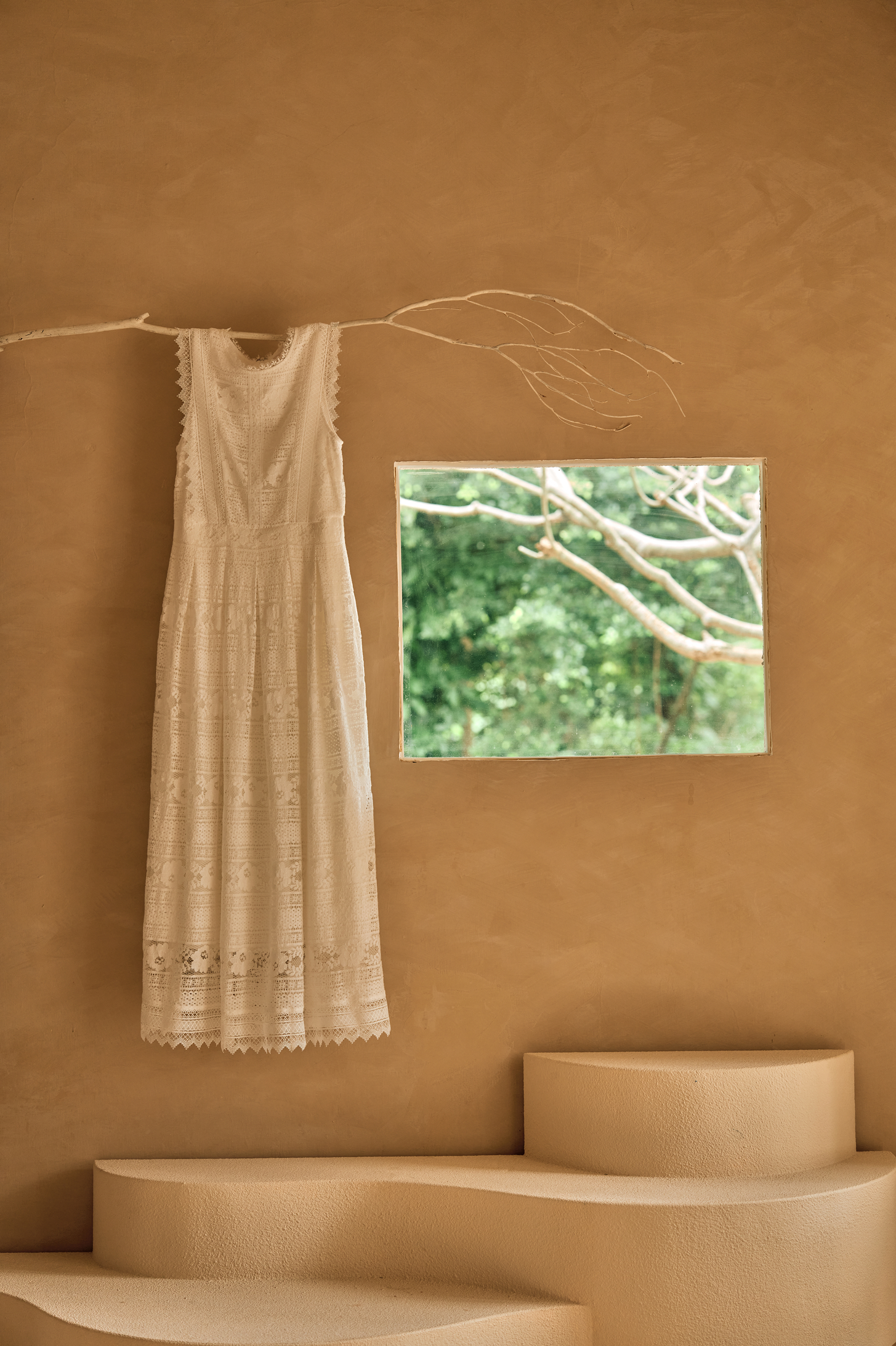
In this collection, the material acts as a force participating in the generation of form. In contemporary fashion design, an increasing number of creators are focusing on the inherent behaviour of materials, allowing fabrics to break free, to some extent, from the logic of entirely controlled styling. The ‘Breaking Free’ collection is developed within this very framework of thought. Wei i Hsieh did not strive to impose a fixed, precise silhouette, but instead allowed the garments to retain the potential for change between their creation and their wearing.
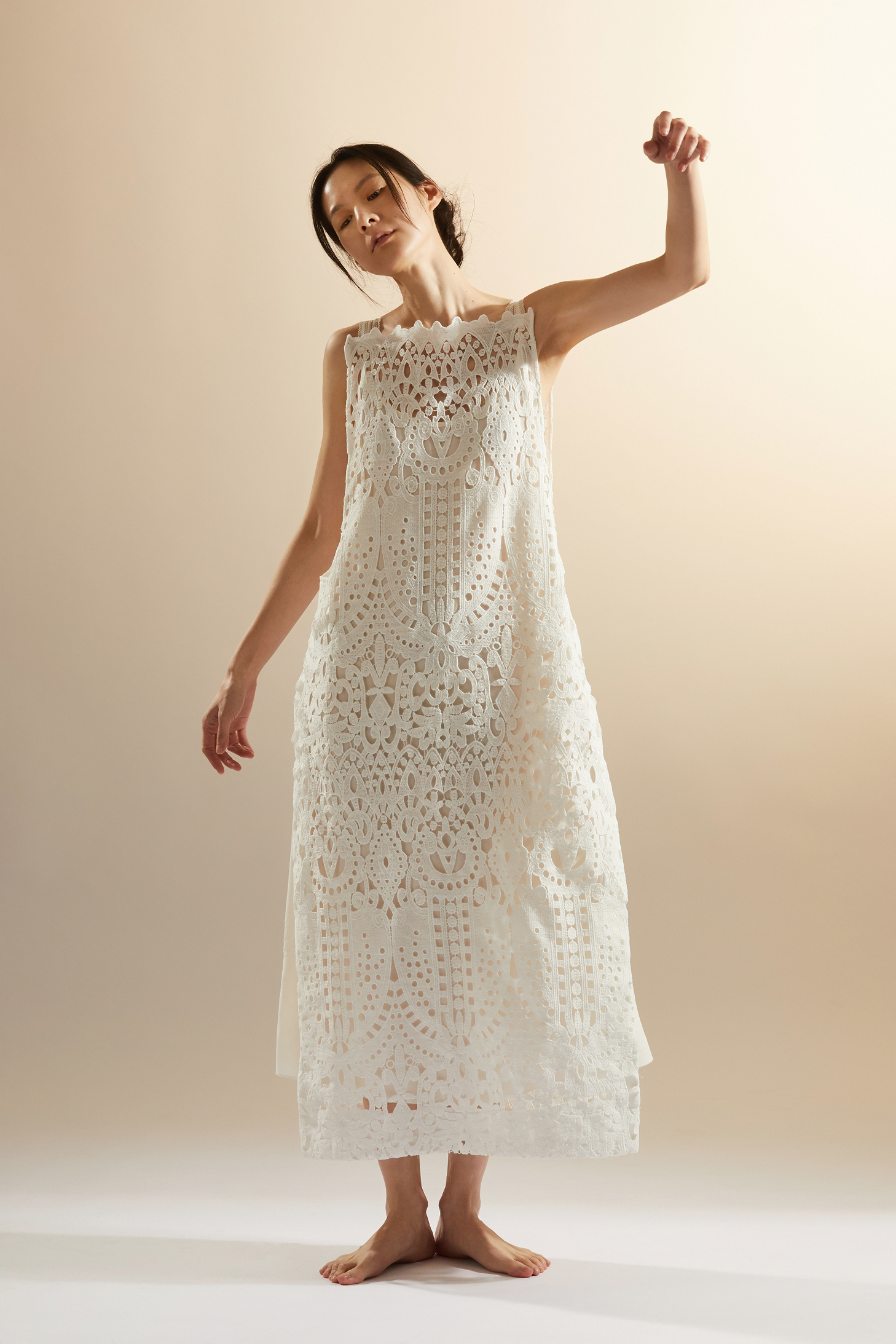
In this collection, the loosening of structure, the natural extension of fabrics, and the irregular distribution of details allow the garments to present a balance closer to the constant shifts within natural systems. The clothing presented in ‘Breaking Free’ appears more like forms suspended at a particular stage of growth, still carrying the ambiguity inherent in the process of becoming. Fabrics seek their own position within tensions, and structures re-establish order amidst this loosening.
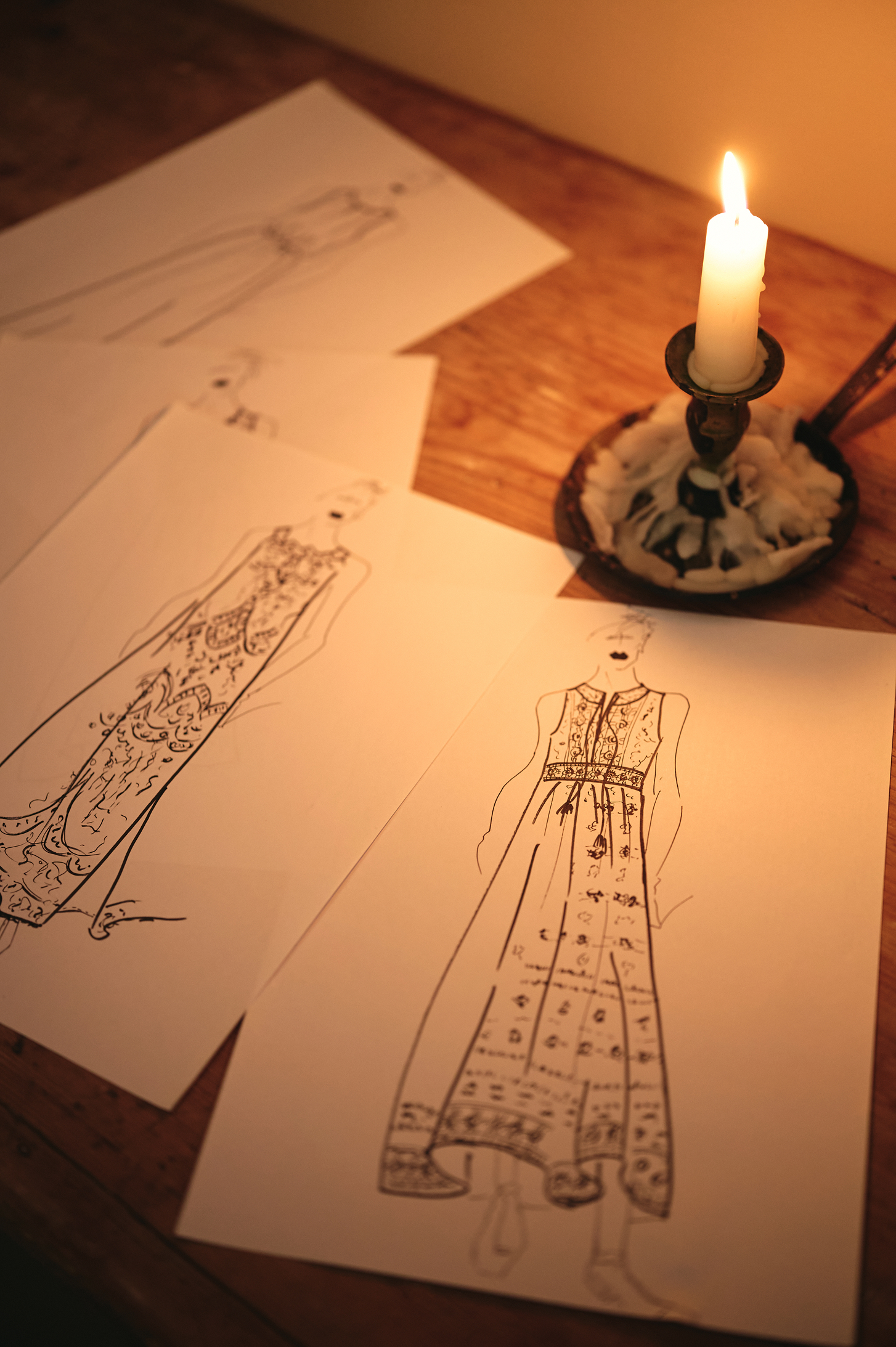
In this way, Wei i Hsieh shifts design from the simple shaping of forms to an exploration closer to natural processes, allowing the garments to become a state of emergence in which materials, the body and time all participate.