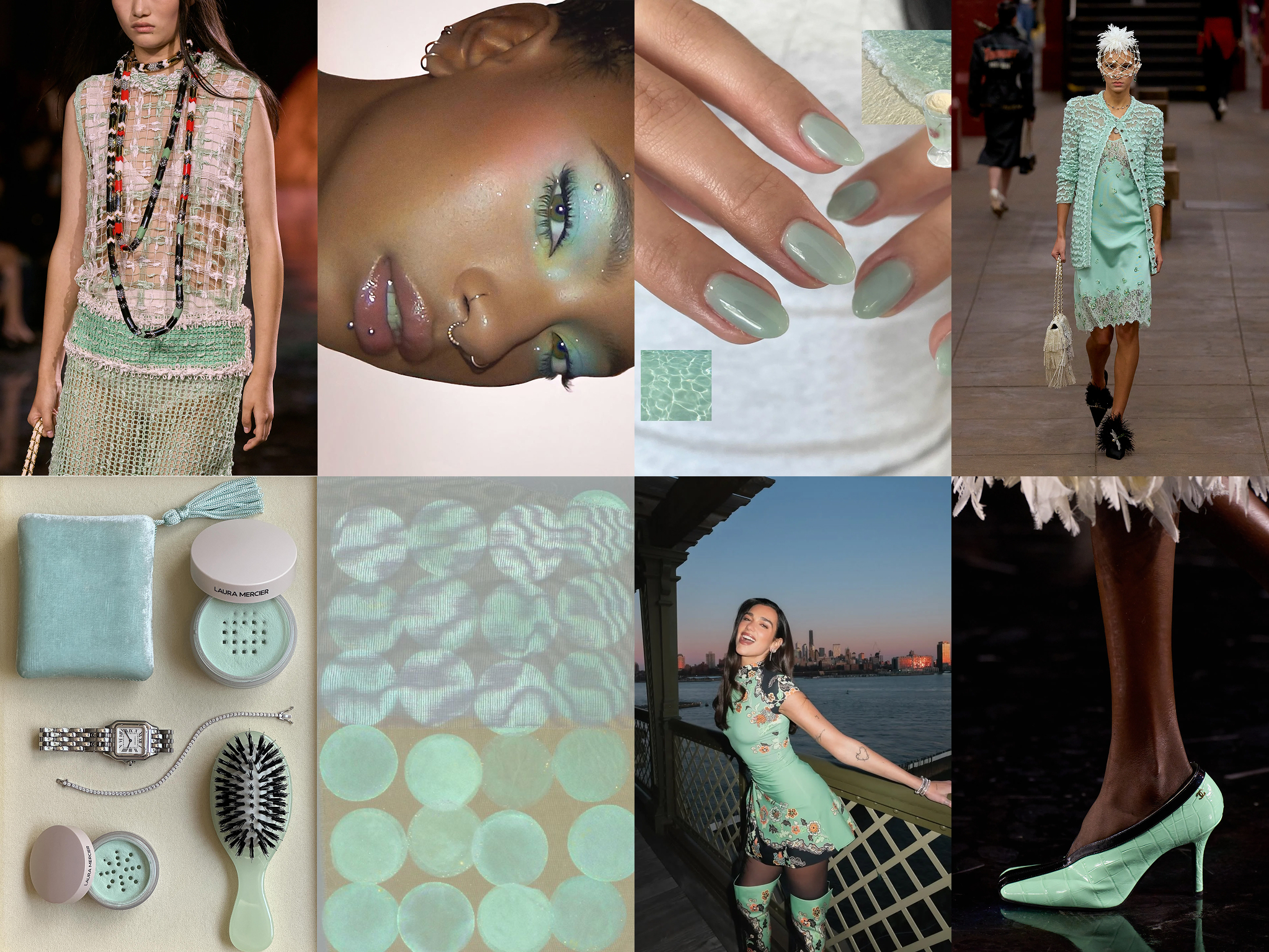
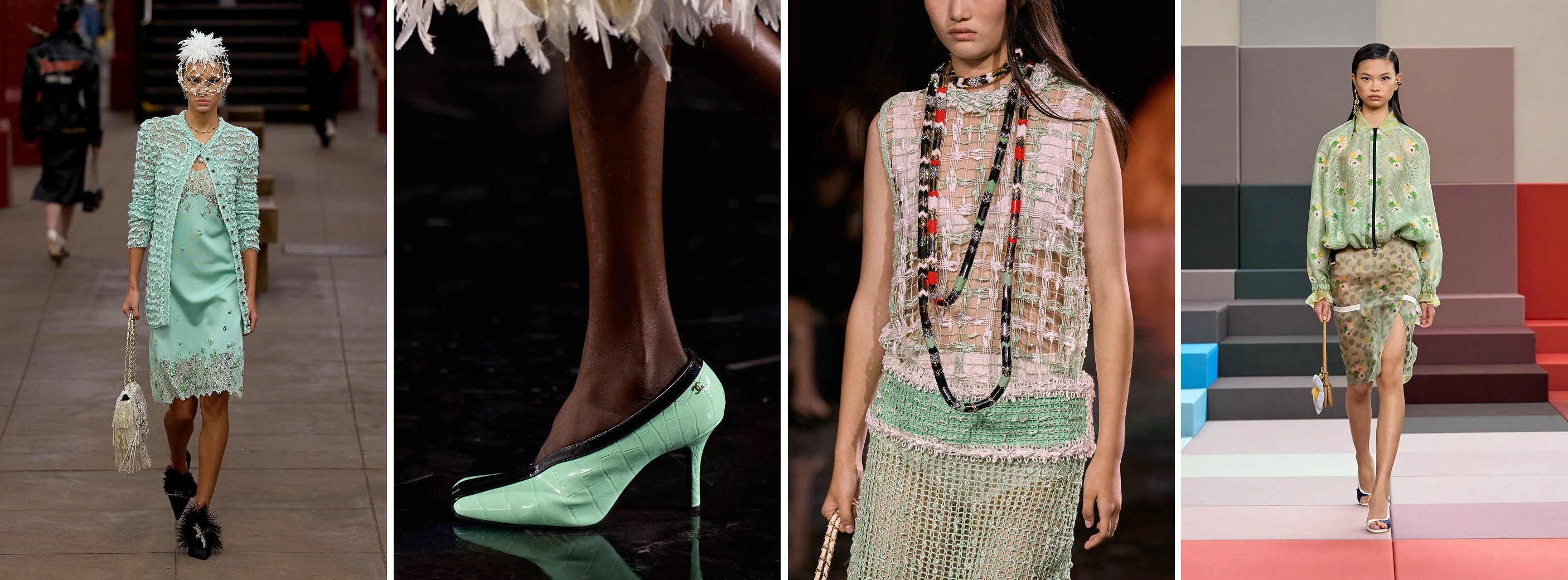
Mint green is the colour of summer. From Chanel to Fendi, it appeared across runways in heels, handbags and dresses, proving itself one of the season's most versatile colours. Then came Sarah Pidgeon's perfect phrase: her Chanel Métiers d'Art 2026 look was "toothpaste, but extremely chic toothpaste." Suddenly, mint was no longer just a pretty pastel. It became fashion's freshest obsession.
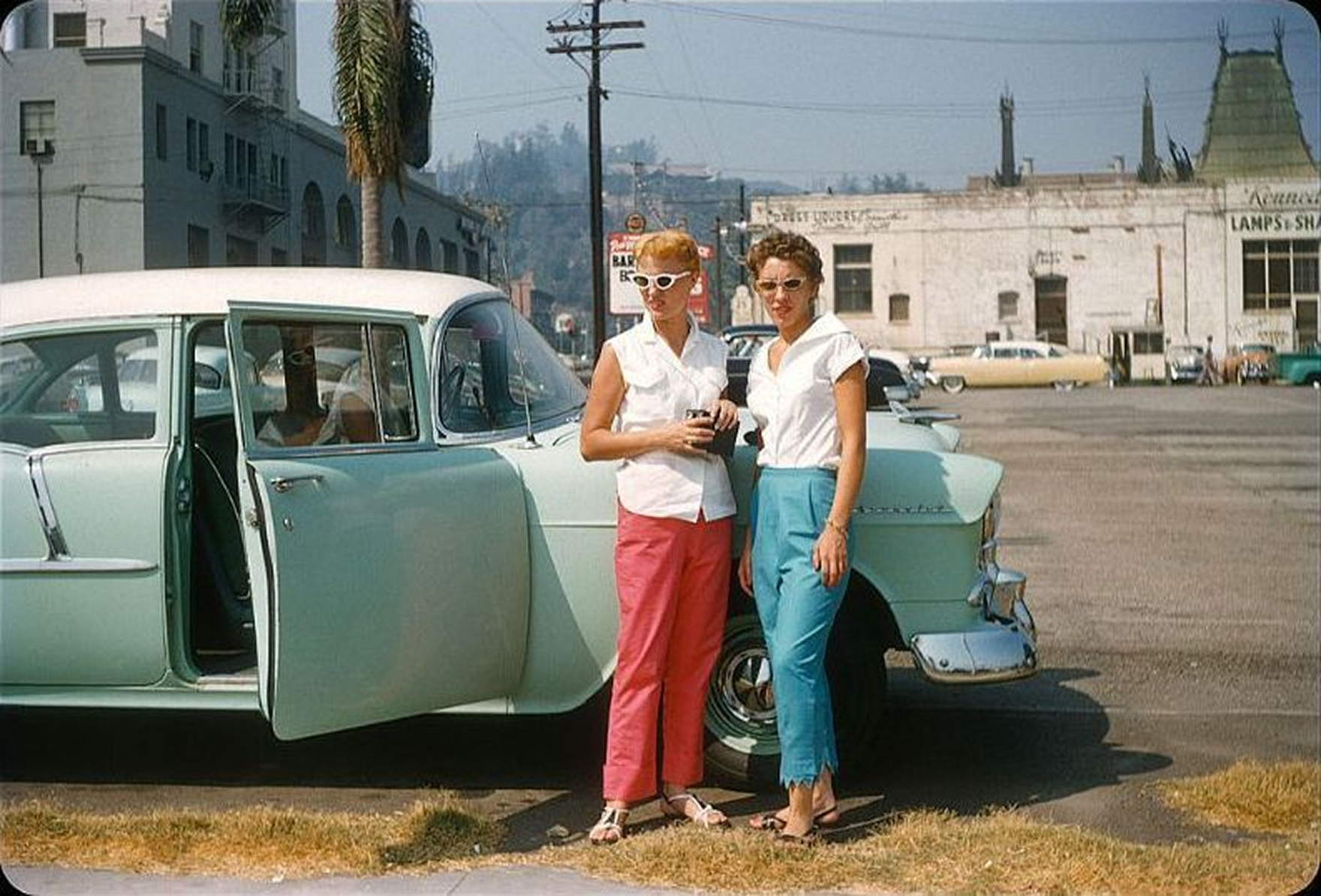
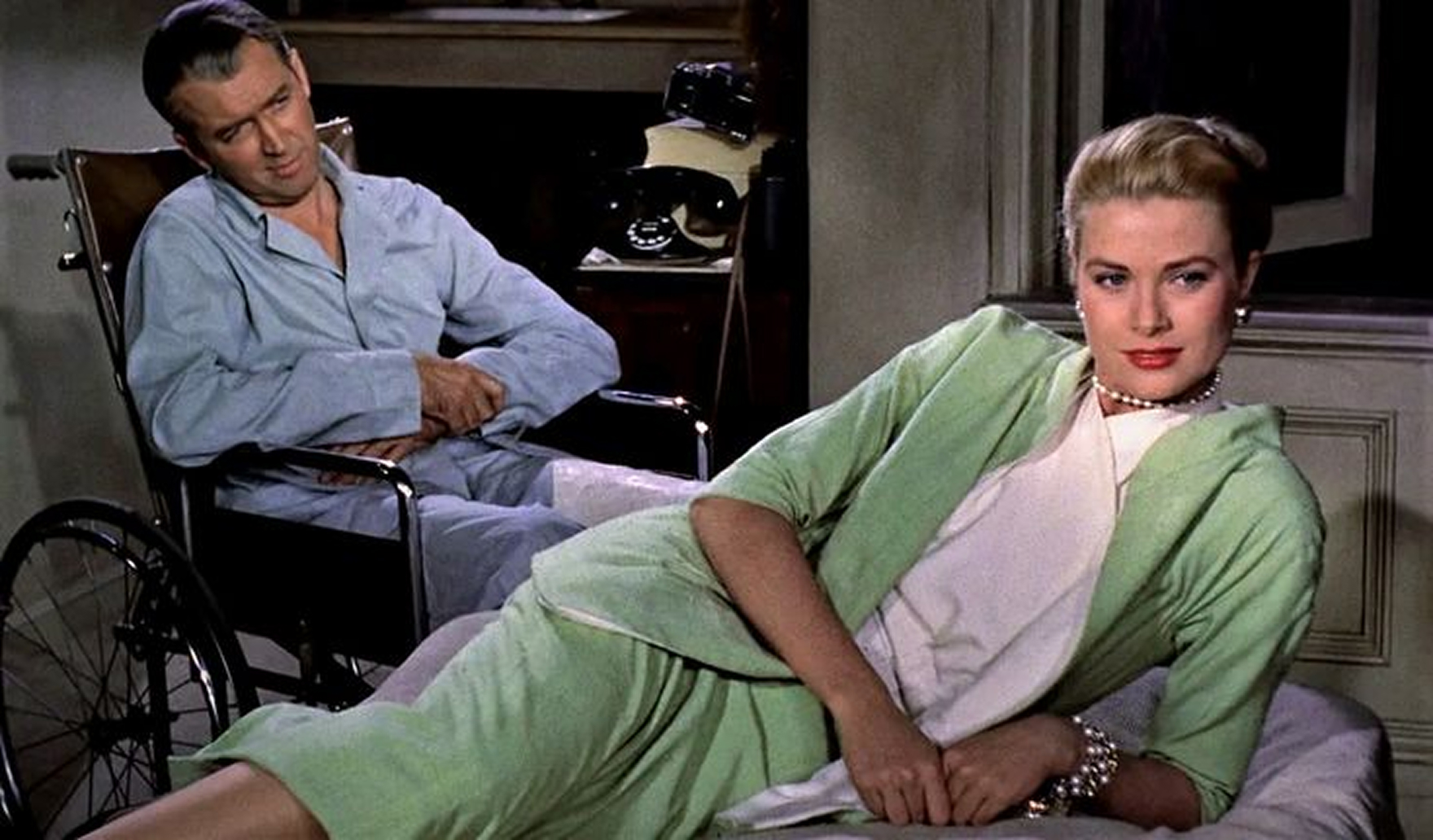
But mint has always carried a particular idea of modernity. In the 1950s, it became one of the defining colours of postwar optimism, appearing on cars, kitchen appliances and fashion. Its popularity was tied to a wider cultural shift: after years of war and austerity, people wanted homes and objects that felt brighter, cleaner and more hopeful. The colour returned again in the early 2010s — this time on Tumblr moodboards, pastel skinny jeans, nail polish, iPhone cases and cupcake-like interiors. Back then it felt sweet, almost sugary. Now it feels different.
Today, luxury houses are using mint to refresh their heritage codes, while younger generations are embracing it as a softer alternative to saturated colour. And it is no longer limited to what you wear. Mint is spreading across makeup, watches, accessories and beauty packaging, turning the shade into something bigger than a runway trend. MAC launched a set of retro pastel green products — eyeliners and eyeshadows reimagining vintage makeup with a modern twist. The Audemars Piguet × Swatch Royal Pop collection includes BLAUE ACHT, a mint-shaded piece priced at £335. And pastel nails return every spring, but this year mint manicures are all over TikTok, replacing the usual peach tones with something cooler and fresher.
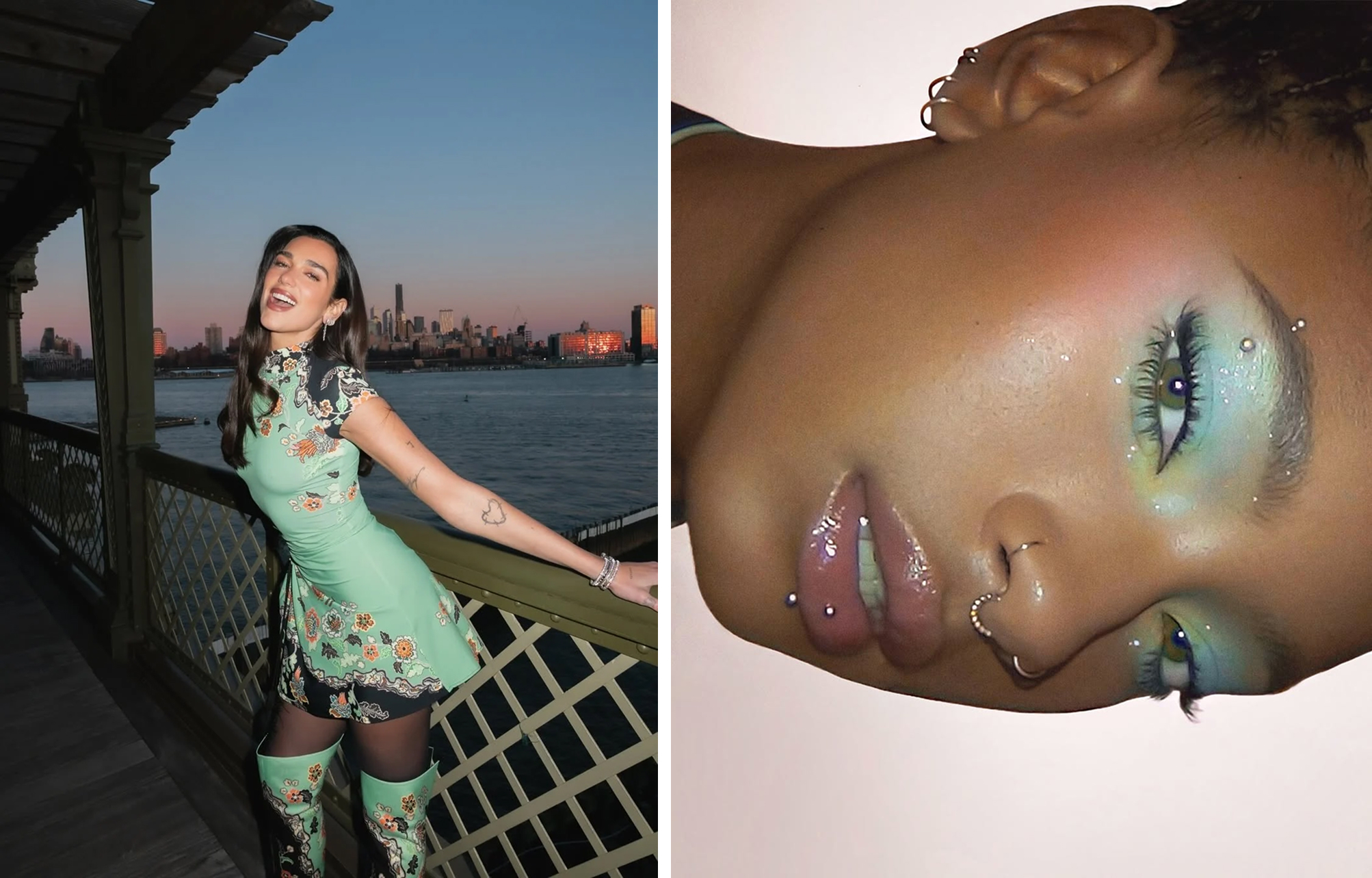
Chic toothpaste, it turns out, goes with everything.