Writing about Martin Margiela is never exactly new. His story has been told and retold, from his early days as Jean Paul Gaultier’s assistant to his debut with Maison Martin Margiela in 1988, and the radical ideas that followed: deconstruction, authorship, and the persistent challenge to the system. He left the industry in 2008 without a formal goodbye, yet his presence never really disappeared. Designers still reference him, editors still return to him, and entire generations credit him as the reason they entered fashion.So why revisit Margiela now?The recent release of the Maison Margiela Folder offers one answer. A public dropbox filled with schedules, archival images, and internal documents, it opens up a world that once felt deliberately distant. It feels like something Martin Margiela himself would have appreciated. Transparency, process, and accessibility were always embedded in his work, in clothes that revealed how they were made and brought fashion closer to people. In an industry still defined by gatekeeping, this gesture feels radical. And perhaps that’s the point. Margiela’s work has never really belonged to the past. There is always something left to uncover.Today, we are celebrating five things we love about him, beyond the iconic Tabi boots. Happy birthday to Martin Margiela!
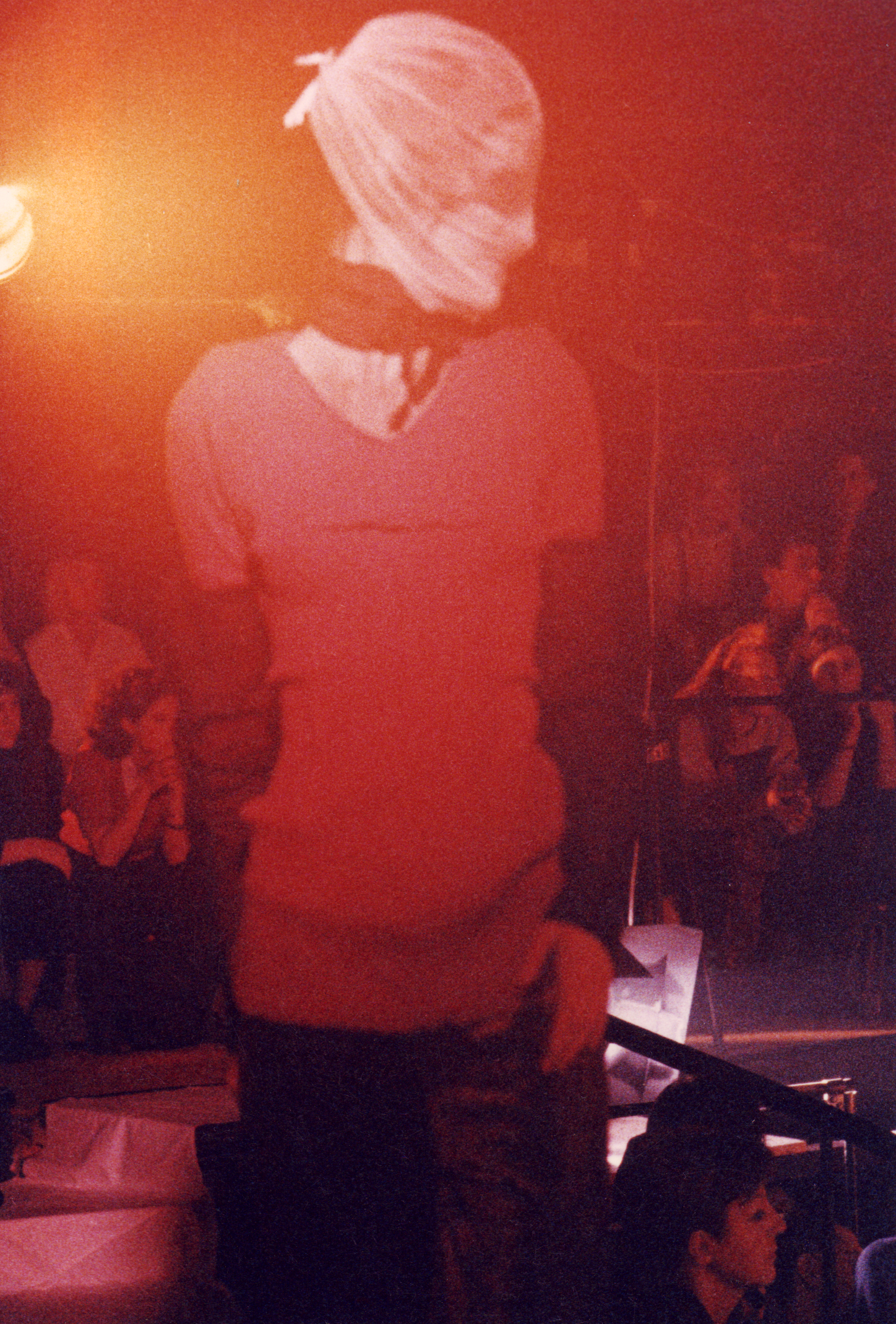
The Invisible Man
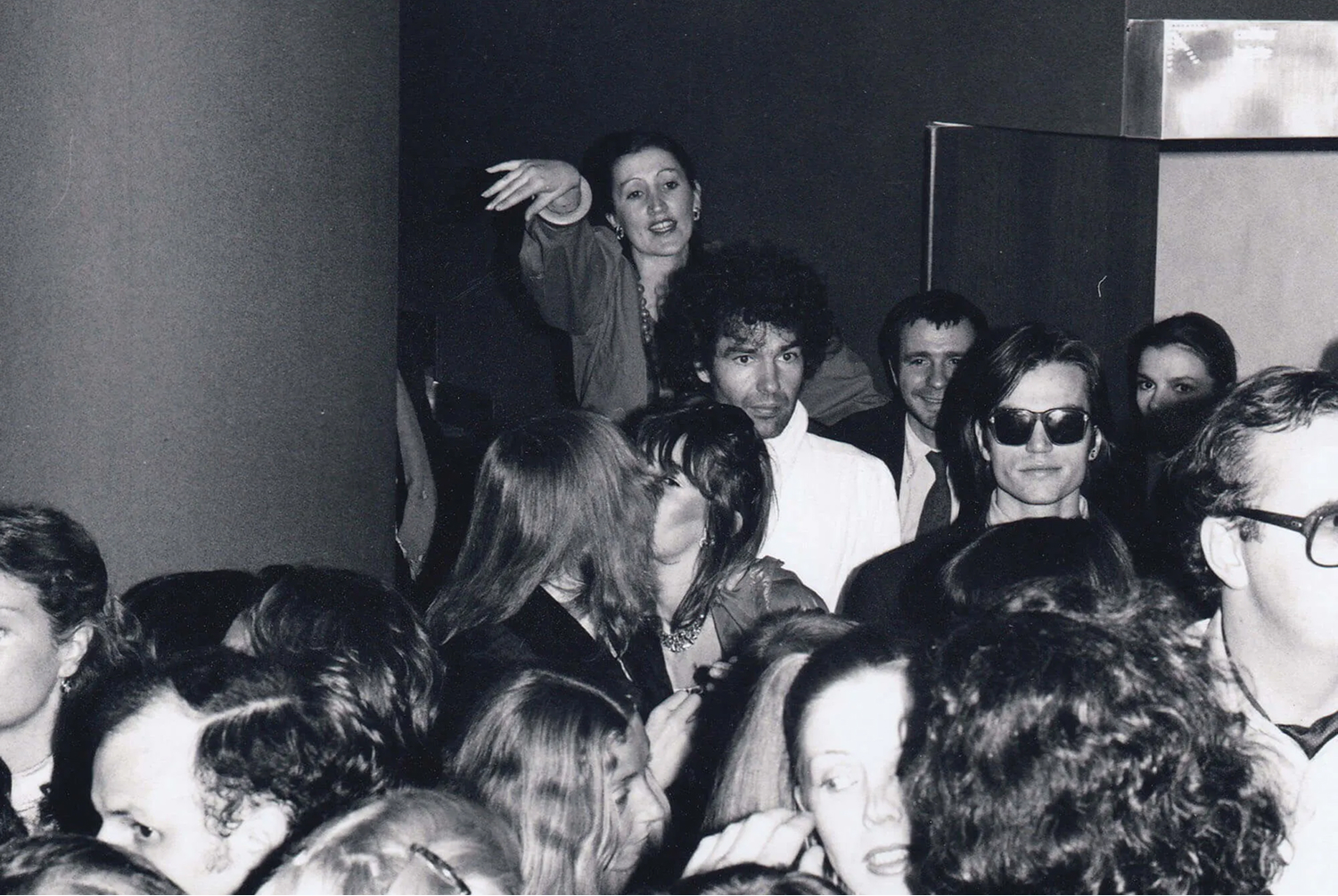
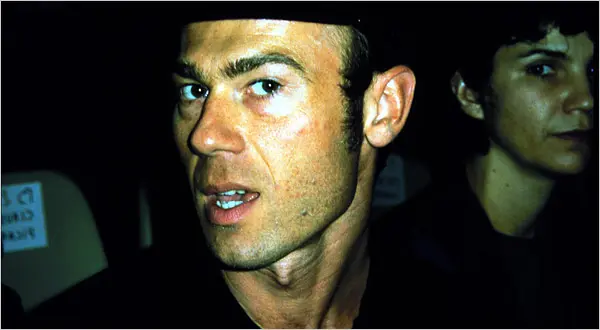
Fashion breaking news today is often just another creative director joining or leaving a house, something Martin Margiela would likely have resisted. He built his practice on anonymity, avoiding interviews and rarely allowing his image to be seen, earning the title of fashion’s “invisible man.” For Margiela, the focus was never the designer, but the clothes themselves. On the runway, this translated into models with their faces obscured, through veils, masks, or hair covering their features, stripping away identity to direct attention back to the garment. The absence became the message. In removing the face, he removed distraction, leaving the clothes to speak entirely on their own.
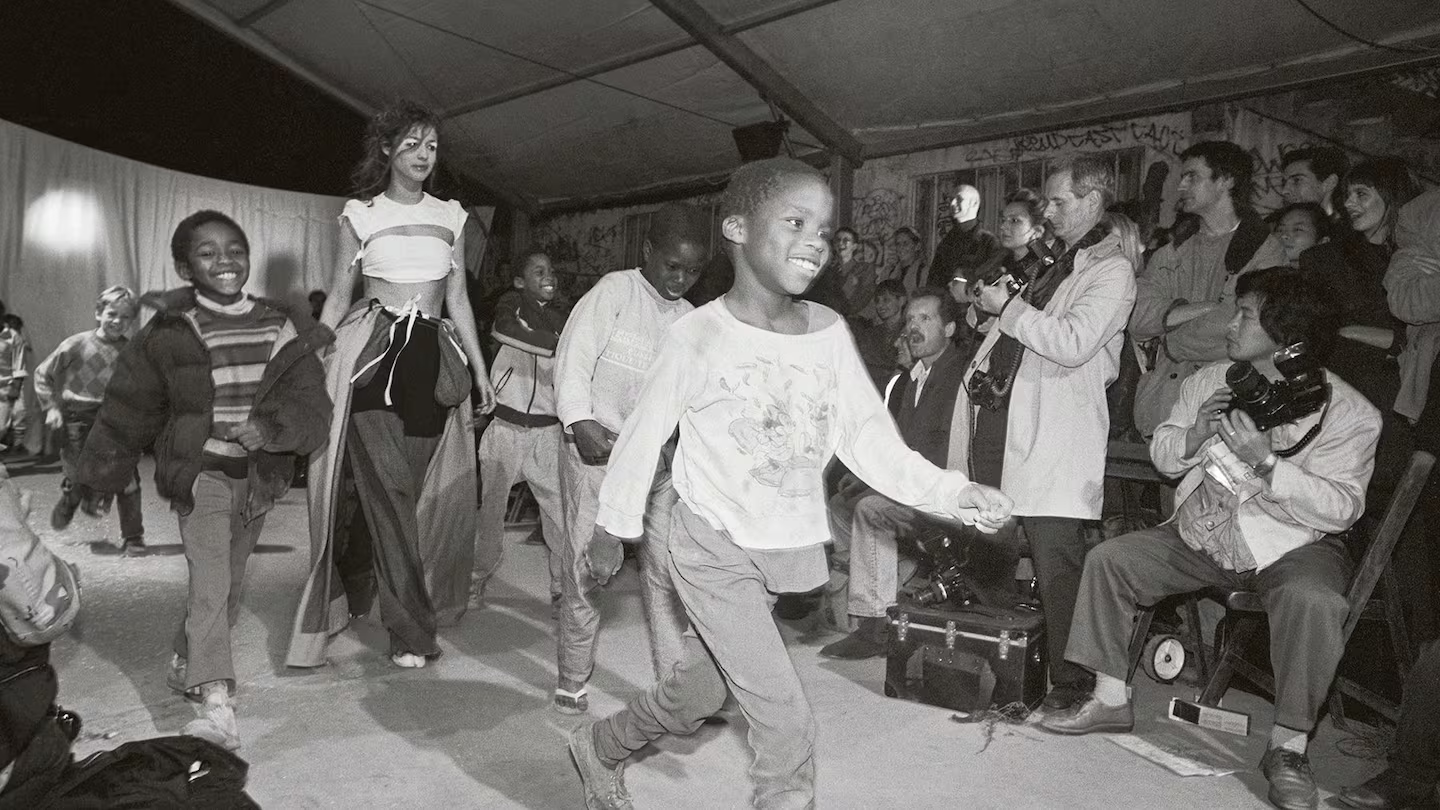
The Fashion Playground
For Spring Summer 1990, Martin Margiela staged his third runway outing in a playground on the outskirts of Paris, far from fashion’s polished salons. Seating was loose, first come first served, with local kids claiming the front row, their excitement clashing with the industry’s usual composure. In the lead up, he asked children from a nearby school to draw the invitations, trading polish for something raw and collective. It was a quiet shift, but a radical one, opening up authorship and questioning who fashion is really for. Margiela would return to similarly marginal spaces again and again, letting the setting speak as loudly as the clothes. Fashion was no longer staged above people, but with them.
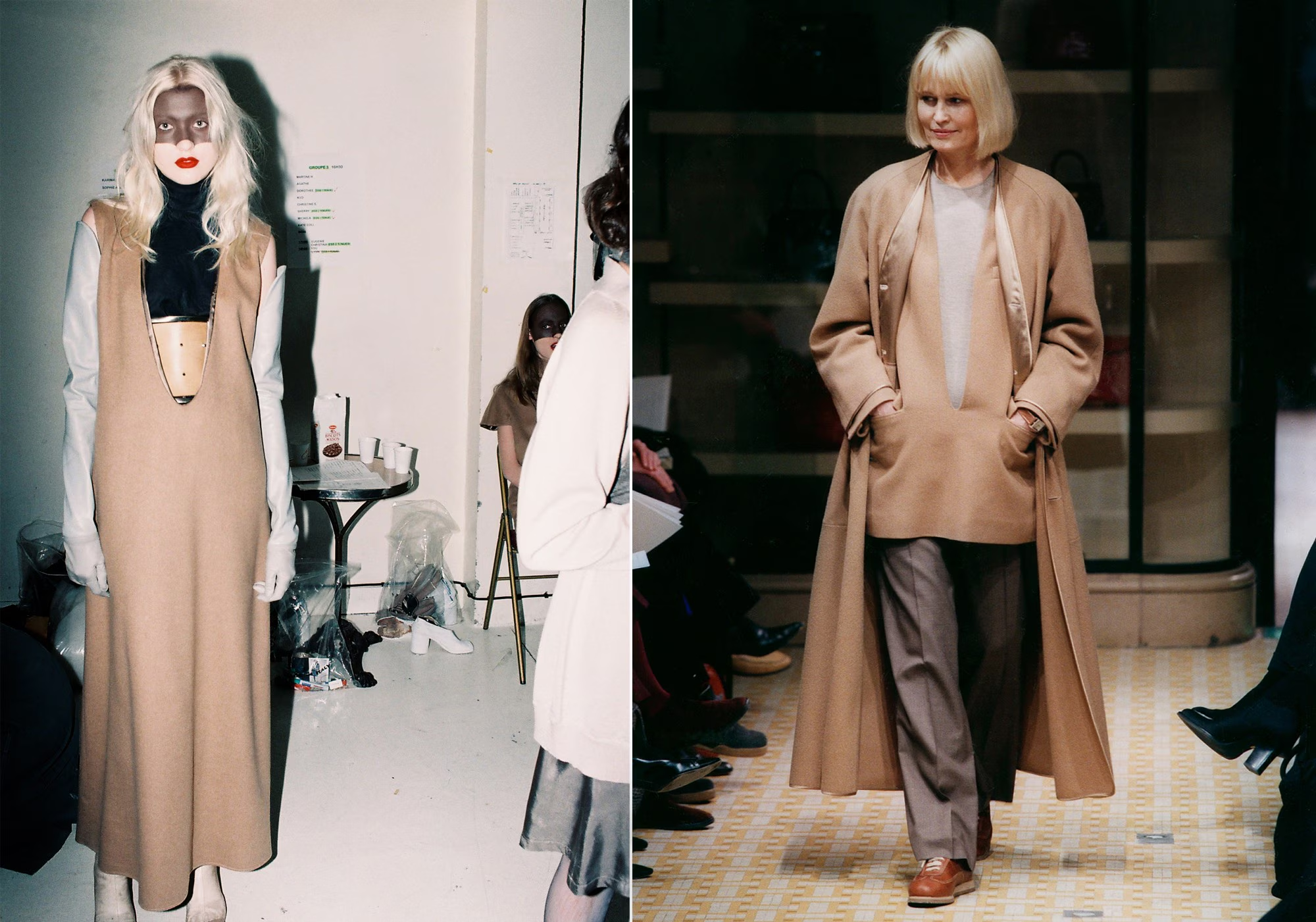
Hermès years
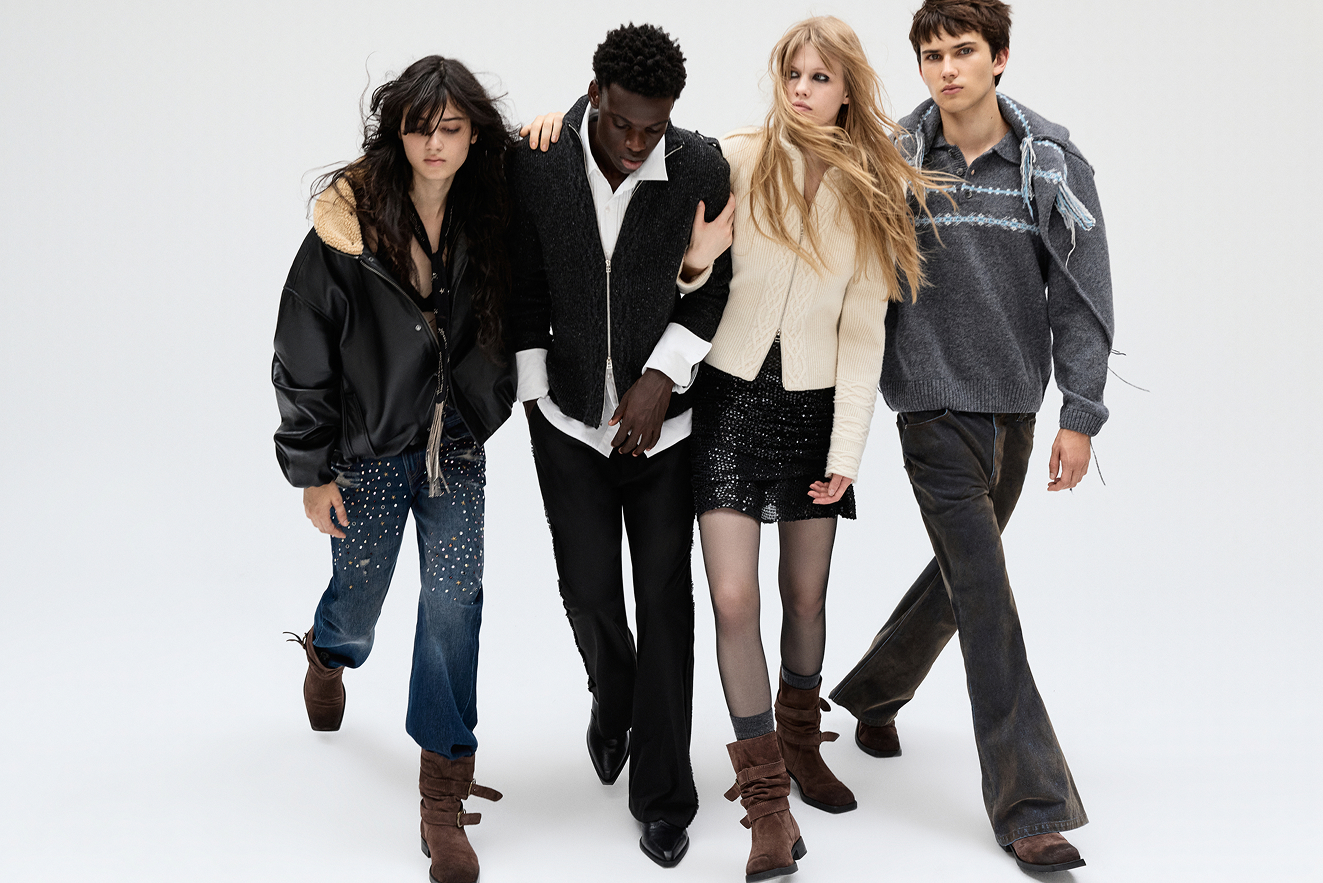
From 1997 to 2003, Martin Margiela took on the role of creative director at Hermès, a move that surprised much of the industry. His collections were often dismissed at the time as too restrained, even “boring,” especially when compared to the more theatrical fashion of the late 1990s. But Margiela approached Hermès with a different idea of luxury, one rooted in precision, material, and wearability rather than spectacle. Fine leathers, perfect cuts, and understated silhouettes spoke quietly but with confidence. In hindsight, it reads as an early blueprint for what we now call quiet luxury.

Beauty in Discard
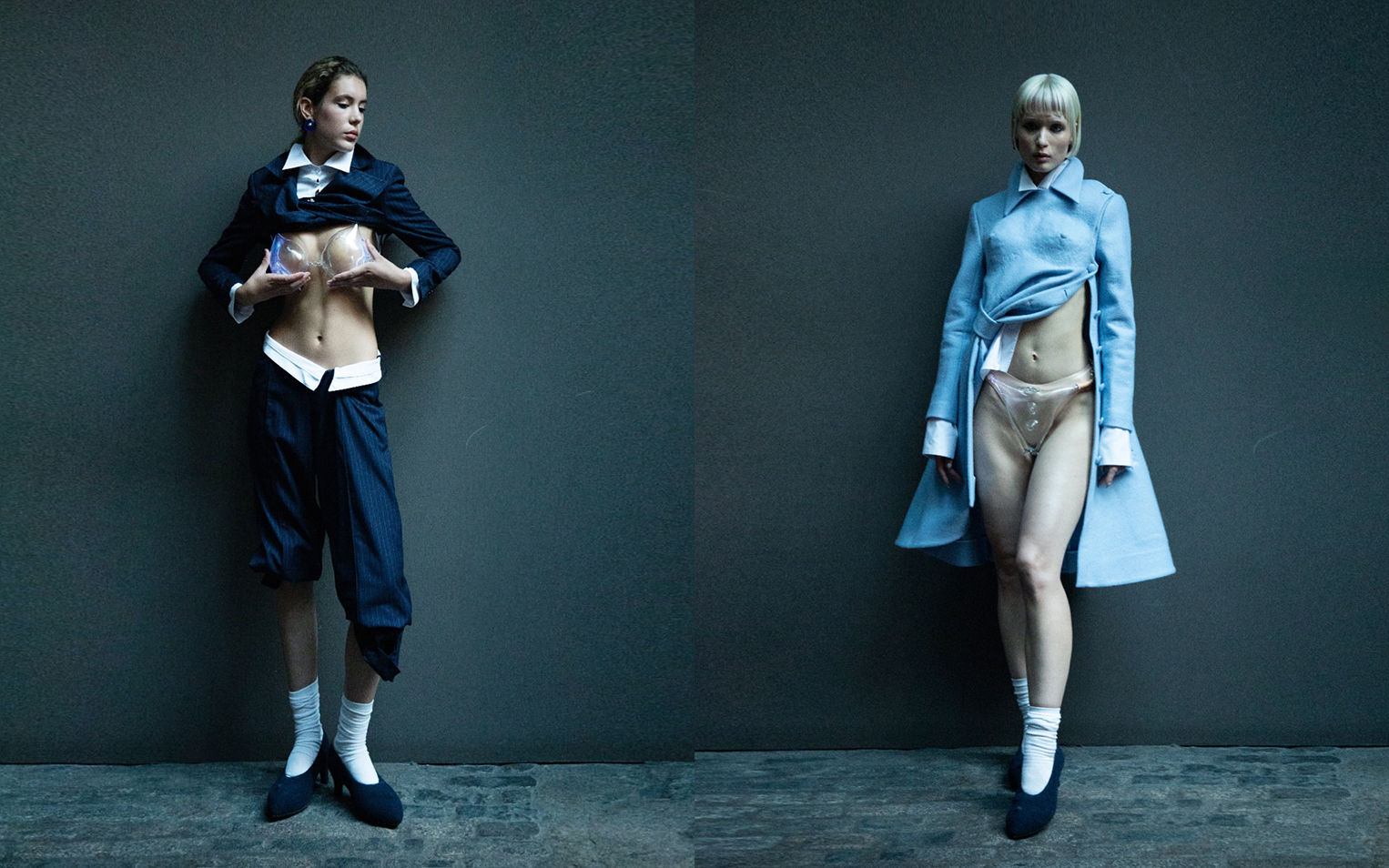
Long before sustainability became a dominant narrative, Martin Margiela was already working with what others left behind. Throughout his collections, he combined deadstock with unconventional materials, from recycled fabrics to everyday objects, folding the discarded into something new. The result was often unsettling, yet undeniably compelling. For Margiela, circularity was not a trend but a way of thinking. As fashion historian Caroline Evans writes, “Margiela’s materials were not just unconventional, they were confrontational, demanding that we see beauty in their traces.”
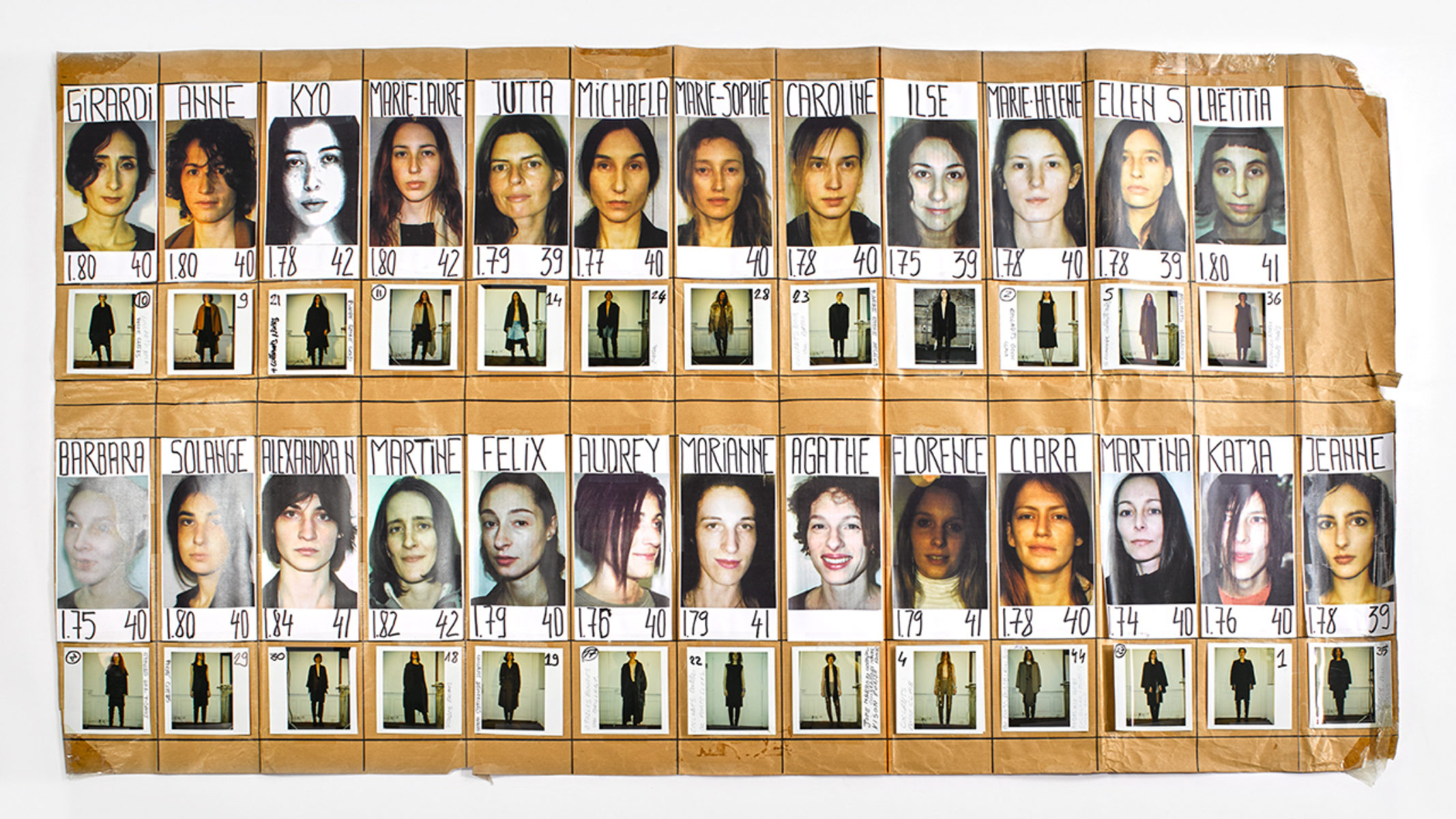
Margiela Type of Women
For Martin Margiela, the “Margiela woman” was never a fixed ideal, but a shared mindset. At a time when fashion was obsessed with youth, he cast women across ages, often found through street casting or personal networks, chosen for their character rather than perfection. On the runway, faces were sometimes obscured, while makeup felt deliberately undone, smudged eyes, unpolished skin, as if nothing had been overly considered. They looked less like models and more like women you might pass on the street, familiar, imperfect, yet striking in an unexpected way. These women were not presented as distant ideals, but as individuals, self-assured, and intellectual.