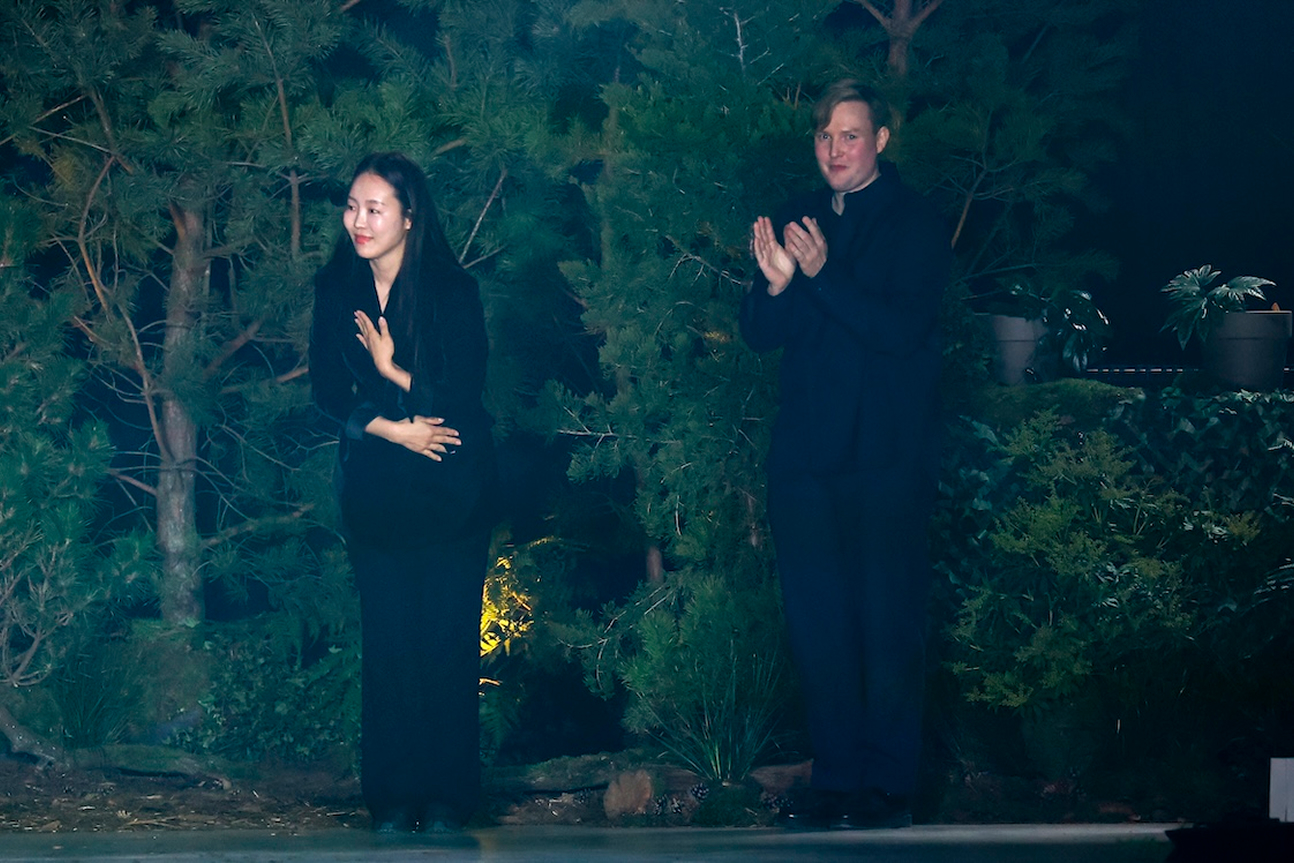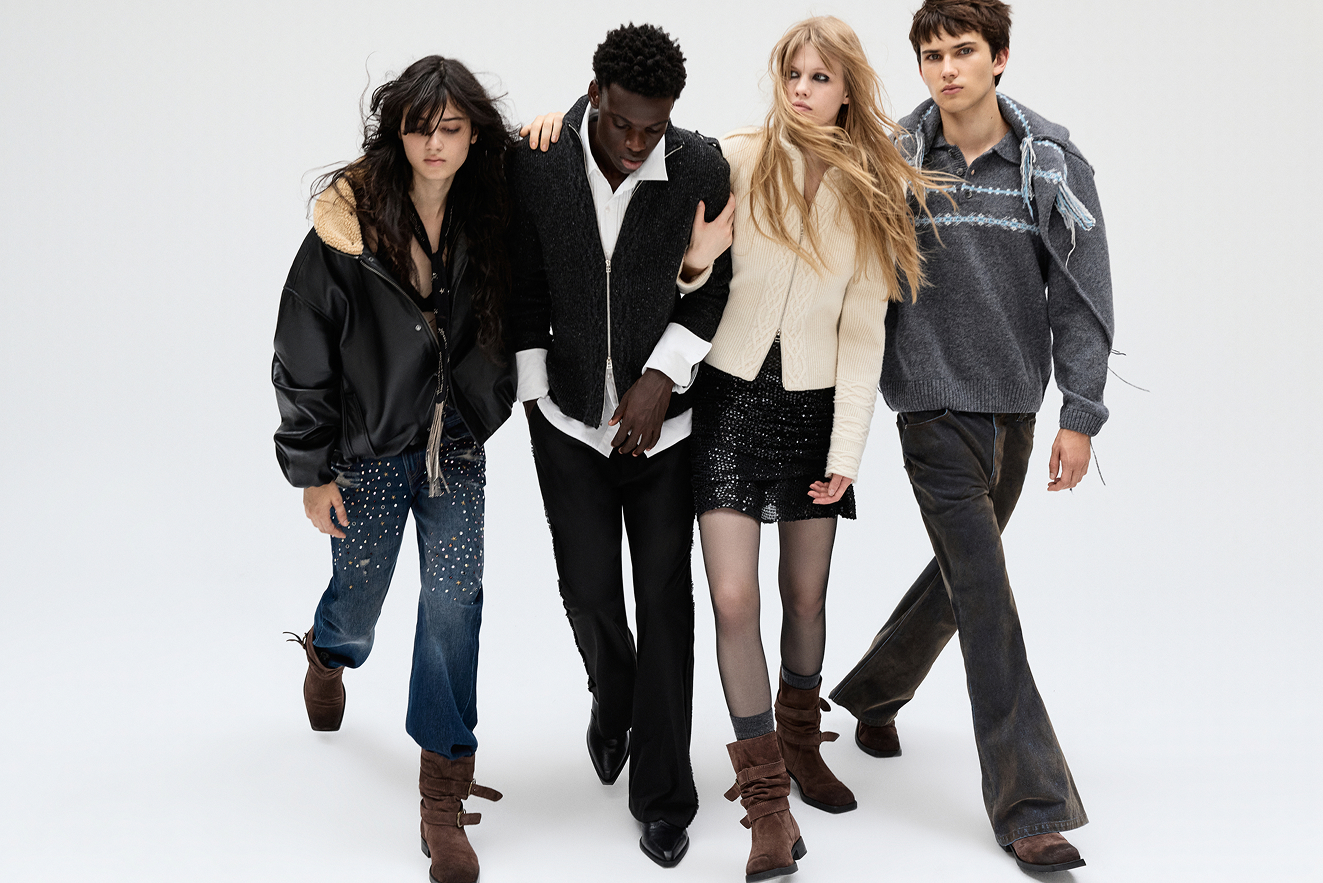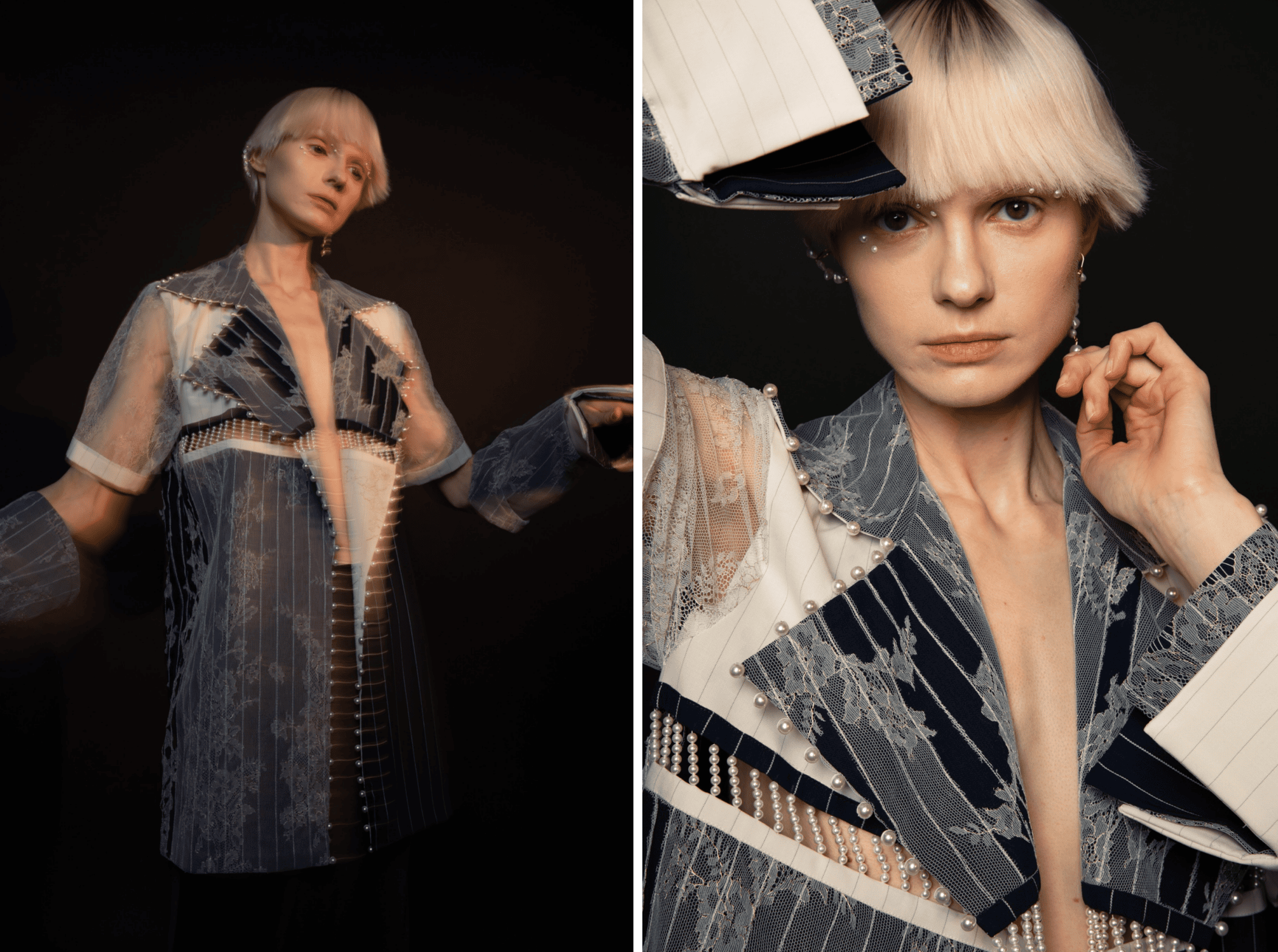
It’s 2017, Berlin Fashion Week. I’m sitting in front of the runway entrance, clutching an invitation in my hands. It says Danny Reinke - a name I’ve never heard before. As the models start to walk in, I begin painting a picture of Danny in my head: probably a man in his late thirties, perhaps trained at Giambattista Valli, or maybe even Valentino. The collection feels so mature, so sophisticated, and… so unlike Berlin. It’s also referred to as prêt-à-couture, emphasizing his attention to craftsmanship while still keeping our practical everyday realities in mind. Oh, was I surprised to learn that Danny Reinke was just 24 years old, the son of a fisherman from a small village near the Baltic Sea. Instead of attending a well-known fashion school, he graduated from the Academy for Fashion and Design in Hannover, focusing on classic tailoring and fashion design.
Nine years after his debut, Danny is now a consistent participant in Berlin Fashion Week - a huge achievement in the fast-moving world of fashion. I met Danny just before his AW26 show. Even though there is only one hour left until the show, he looks calm and collected. Talking to him, I almost forget we’re in the busy beehive of backstage. And he’s not alone, this year he’s collaborating with Sungyi Lee, founder of WALA Design Lab, a Seoul-based creative fashion and visual identity studio. Both creators agreed to talk with me about the differences between cities, technology, and the realities of fashion markets.
Danny, your shows are always rich in storytelling. Could you briefly describe the narrative behind this collection?
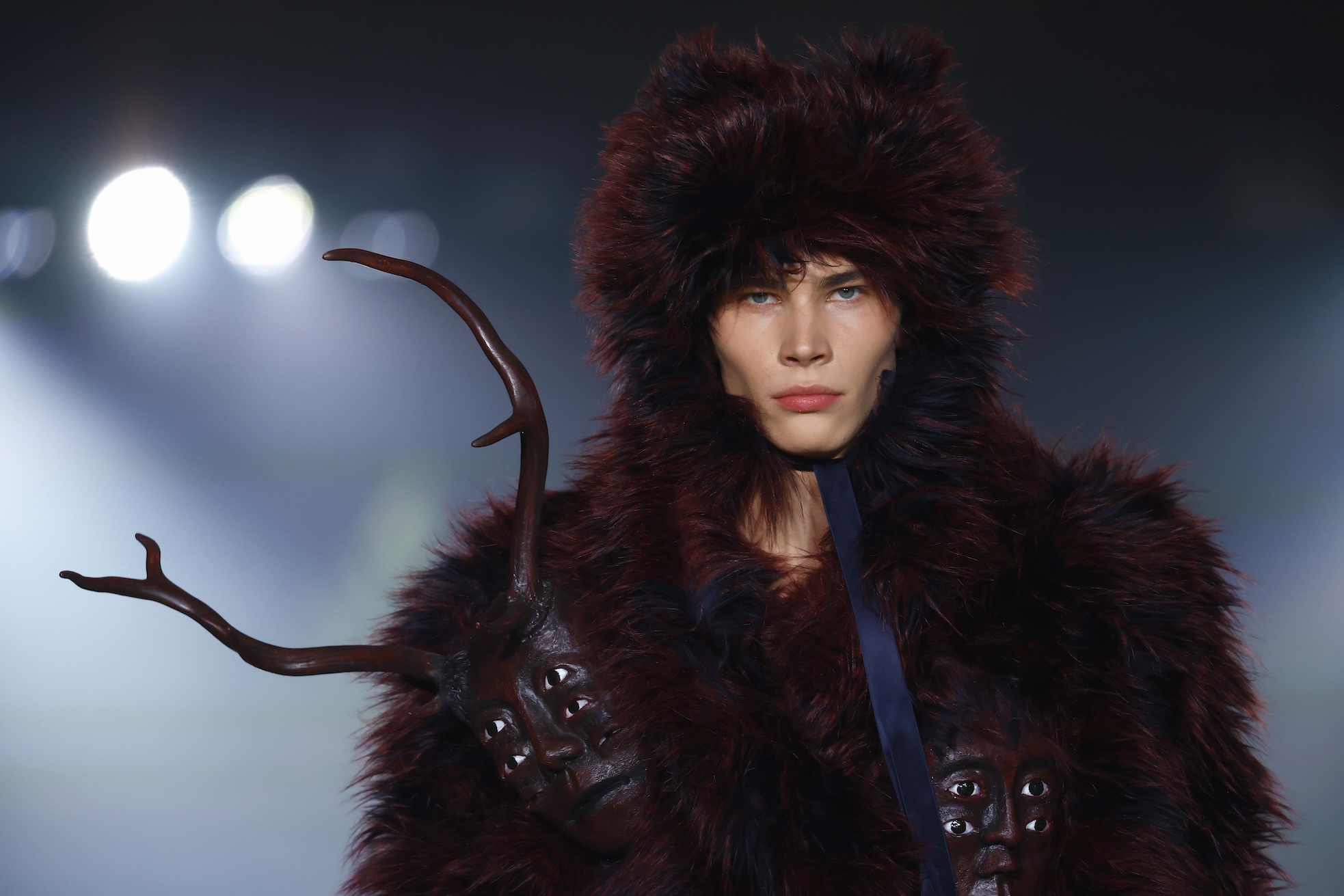
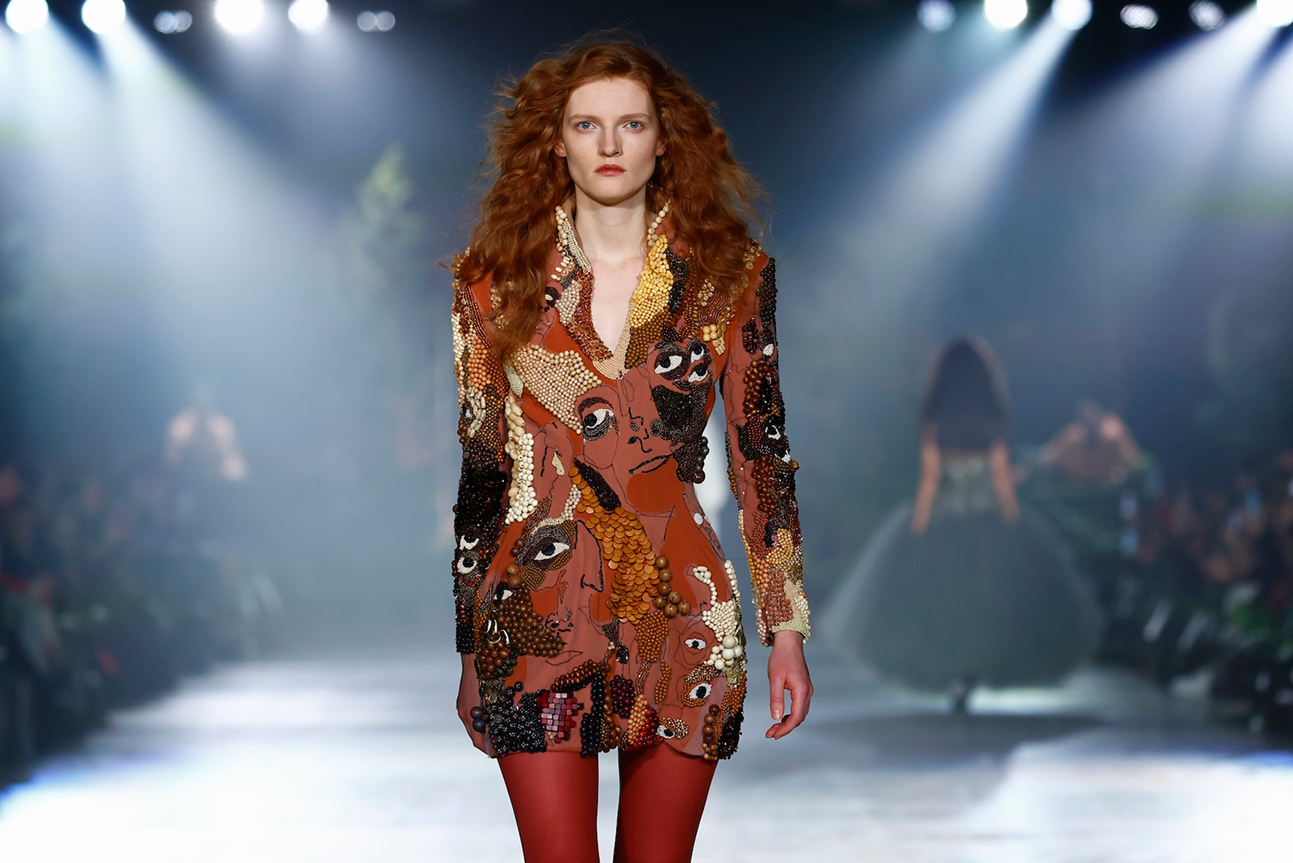
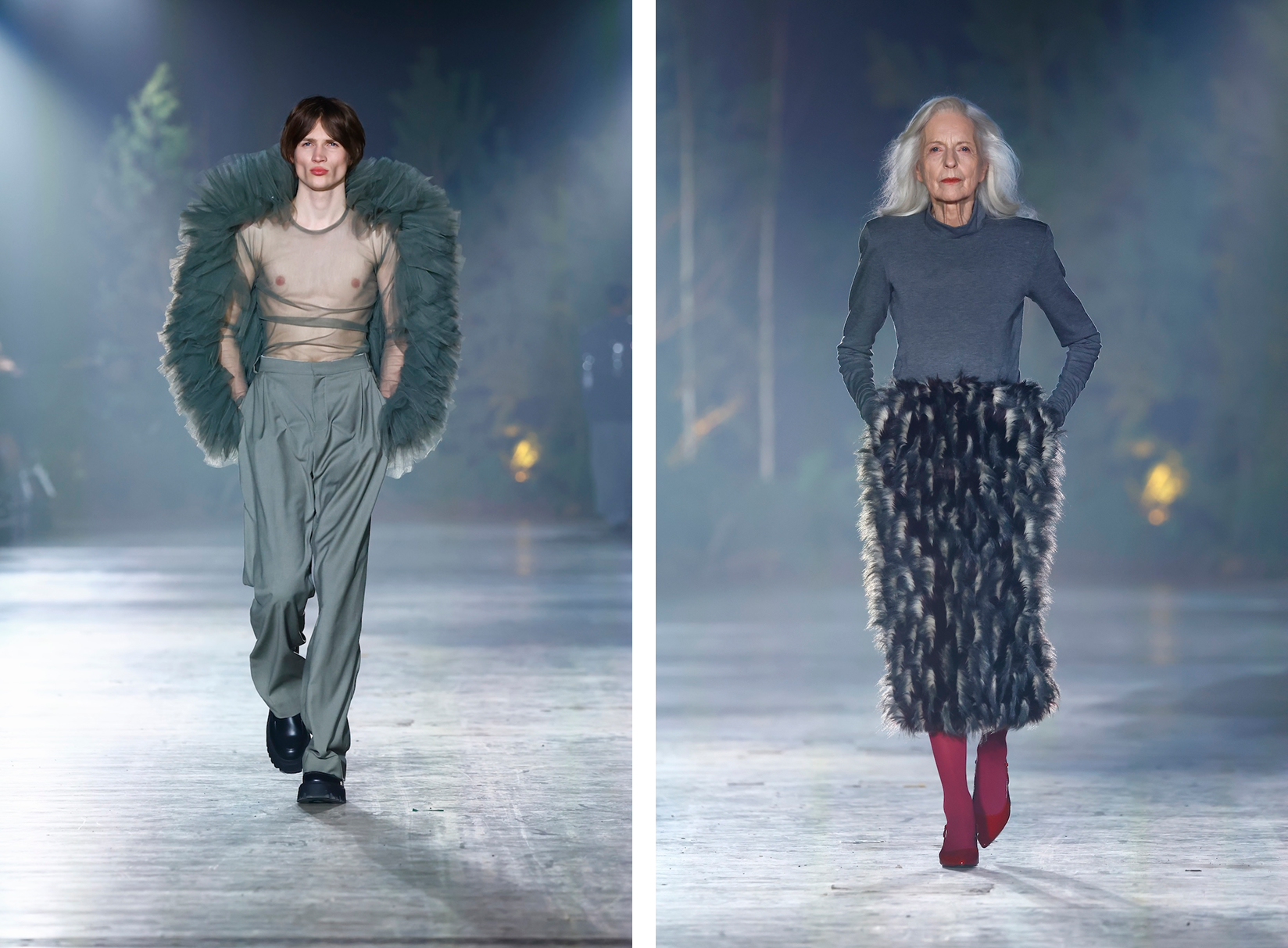
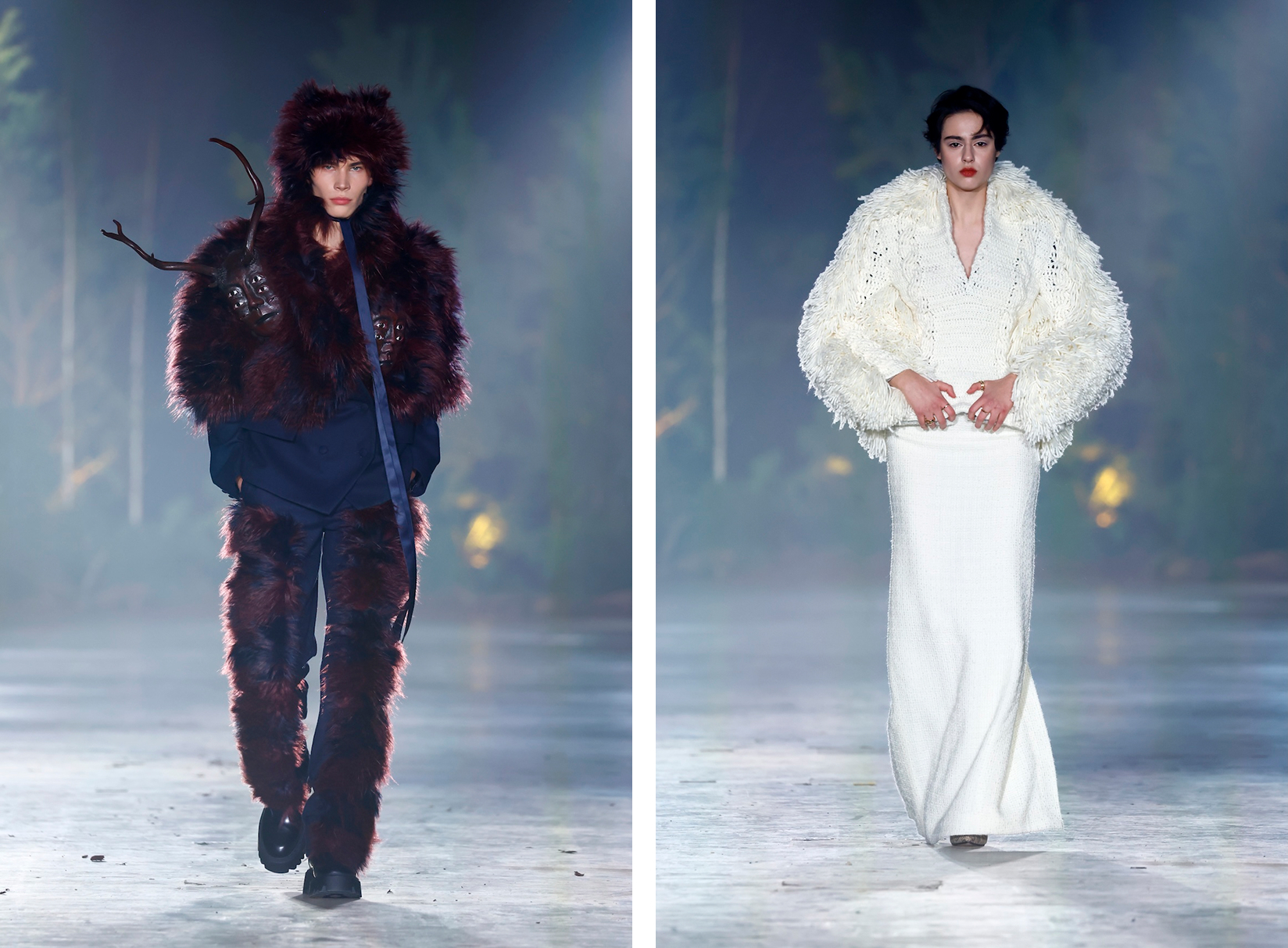
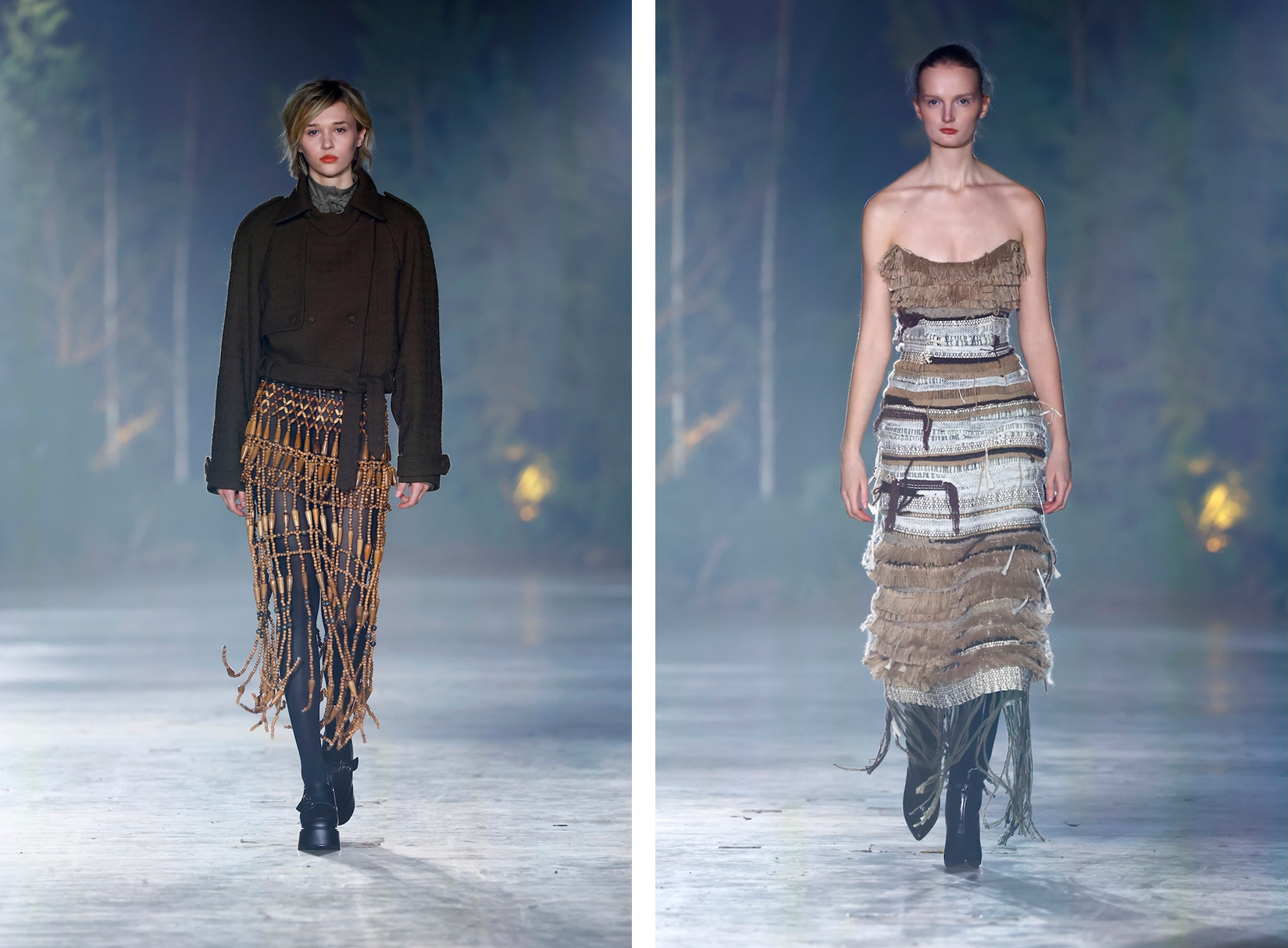
Danny: The new collection is called Numinous. It´s inspired by a phenomenon experienced in forests, where two emotions combine: the fear of what might be hiding behind the next tree and the overwhelming beauty of the forest. When these emotions merge within a person, the numinous experience happens.
Was this inspired by your personal experiences?
Danny: Yes, sometimes. I like being in nature, and at times I’m scared that somebody might be watching. Sungyi shows a human perspective in her designs of the collection.
Sungyi: Although we come from different cultures, we feel that we share the same sensibility when it comes to humans and nature. I look at what I can bring from my South Korean background and connect it with what Danny brings from his, creating something incredible together.
I’d like to know more about your collaboration. For Danny Reinke, this isn’t the first time working with other creatives. How did you find each other: who reached out to whom, and how did you decide you were a good fit?
Danny: In September 2025, I took part in an exchange trip with the Fashion Council Germany to South Korea, where I met Sungyi Lee. She was part of a panel discussion and mentioned to the group that she was looking for a German designer open to collaboration, and I immediately went, “I’m here!” We later met in the studio, and it instantly clicked.
That’s really great to hear, because it sounds like you could feel that creative connection right from the beginning?
Danny: Yes, and it’s not very common for designers to work together, because there’s always this part of competition. We have complete respect for each other, and I appreciate her Korean perspective. We’re already planning a lot for the future, so this is just the beginning.
Sunyi: Coming from a tailoring background, when I first saw Danny’s collection, I immediately recognized the incredible work he was doing. Once it clicked work-wise, I knew I wanted to collaborate with him. I was actually looking at both the Chinese and European markets. Usually, when it comes to business, it’s really hard to work together, but for us, it happened in an instant - within just one month. I shared some ideas, and we discussed a lot of things communicating online.
It’s interesting that you mentioned designers often feel a sense of competition when working together. Yet in recent years, we’ve seen more and more collaborations between different fashion industry professionals. Why do you think this shift is happening?
Danny: From our perspective, it’s also a business-oriented move. I want to enter the South Korean market, and Sungyi is looking to expand into Europe. So it makes sense for both of us to collaborate with a designer from the market we’re interested in. South Korea currently has a huge influence on trends - especially with the rise of K-pop - which is why we want to be part of it and see how Korean customers respond to our collection. For us, now is a trying out moment to observe how consumers react to our work.
You both seem very disciplined in what you do, with highly particular approaches to design. The way you understand and create fashion feels quite untypical for Berlin. How does it feel to be a prêt-à-couture brand in Berlin?
Danny: Berlin is changing a lot. I’m not sure if I’m in the right market here, which is why I’m also exploring Korea, as well as the French and UK markets, to look for alternative opportunities. Going international is important for us because we see that Berlin - and Germany as a whole - can be challenging for fashion. That’s why it’s exciting to explore what other markets might offer.
Do you find Berlin inspiring in any way for what you’re doing?
Danny: Not anymore. Berlin is still my home, and I love living here, but I find my inspiration elsewhere - like this year, in nature. I’m always looking for new themes where I can build nice storytelling.
Sungyi, how do you see and experience Berlin fashion as someone who doesn’t live here?
Sungyi: I feel there are a lot of similarities between Milan and Berlin. Germany has very high standards for production, whereas South Korea moves very quickly. The manufacturing pace there is fast and trend-driven. I’m pretty sure that if you combine Germany’s discipline with Korea’s fluidity, you can create something truly astonishing and innovative.
Danny, you reacted very passionately, nodding your head when Sungyi mentioned how fast the Korean market is. What has your experience been?
Danny: Absolutely! This is how I figured out I needed someone in South Korea to help our brand enter the market. It’s really fast-paced. I remember an instance of a pop-up for a brand that was built overnight, open for just two days, and then disassembled to make way for the next one. It’s so fast and everyone operates at that pace.
South Korea seems very technologically advanced. Did you notice that in the fashion scene as well?
Danny: You see a lot of influential fashion people with their phones out, constantly googling and using apps for everything - it’s really tech-focused. That’s not really in my DNA, but it’s fun to be around Sungyi because she’s very into technology. I’m curious to see how we can incorporate this aspect into our work in the future.
Since we’re already talking about technology, during the recent Couture Fashion Week we saw an Alexis Mabille runway show where the entire collection was designed solely by AI. It sparked a lot of debate in the fashion world. I’m curious - what’s your perspective on this?
Danny: I hope it’s just a trend and will be gone in two or three seasons. I’m not a fan of AI and don’t want to work with it. I prefer to work with my hands - I have a tailoring background and come from a handcraft tradition. We do incorporate technology in our shows, especially in the music this season, and I’m really excited to share that with a larger audience. Technology can be uplifting, but AI takes away a lot of creative control.
Sunyi: Like Danny said, we work with our hands. And it takes time to embrace technology - it doesn’t happen overnight. But honestly, we have used AI in the past on our own platform so we do have experience with it. However, it’s important to stay in control and not be controlled by AI. Everything comes from my basic skills, what I learned in the past. I use all that experience and data to guide AI and create my own work, rather than letting AI control me. Without these skills, just relying on AI - it’s not my thing.
Can you elaborate more on the methods you use to control AI, rather than letting it control you?
Sunyi: I don’t rely on AI, I mainly use it for testing, testing, and more testing. If it serves a purpose, I’m open to embracing certain aspects of it. I don’t feel that AI will deprive or steal my creativity, because at the end of the day, it’s human hands that turn ideas into real objects. AI can’t create craftsmanship.
At what stage of your process do you find AI to be the most helpful?
Sungyi: First of all, AI is helpful when we need to do research, create documents to present, analyze data, or run simulations and tests. Without AI, you’d have to spend so many hours on these tasks, but using it cleverly can significantly reduce that time.